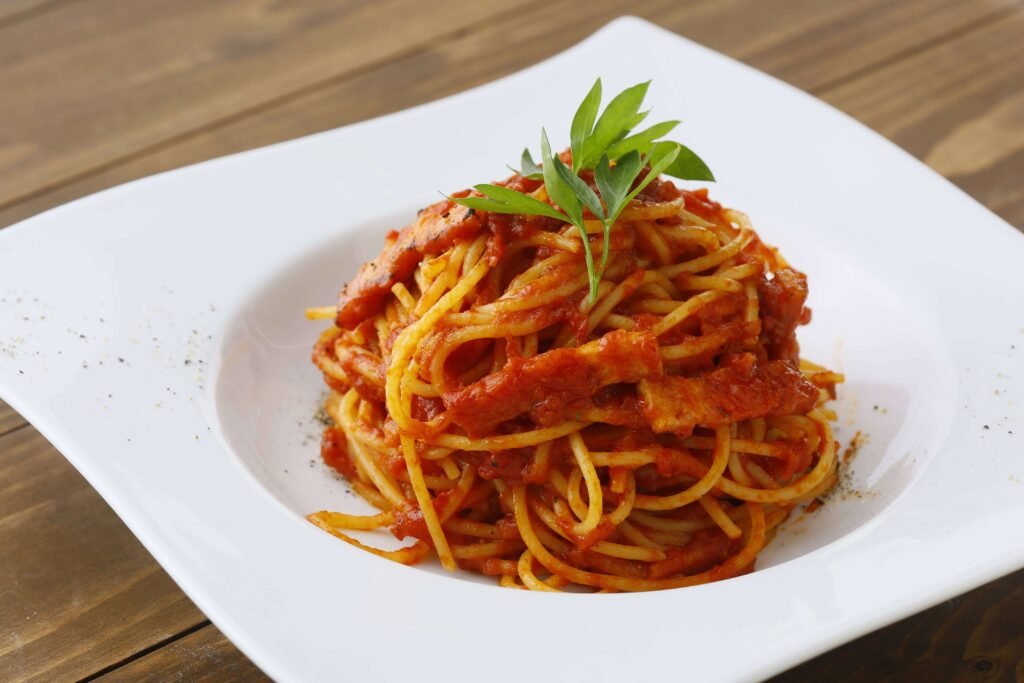
Quick Answer: 100g of cooked pasta (plain, enriched, no sauce) has about 158 calories, 5.8g of protein, 31g of carbs, and 1.8g of fiber. That is roughly two-thirds of a cup. Whole wheat pasta has similar calories but noticeably more fiber. Use the calculator below to convert grams and cups for your pasta type.
Cooked Pasta: Cups ↔ Grams Calculator
Type in either box — the other updates automatically. How tightly cooked pasta is packed into a measuring cup changes the weight noticeably.
100g of Cooked Pasta: Full Nutrition Facts
| Nutrient | Amount per 100g |
|---|---|
| Calories | ~158 kcal |
| Protein | ~5.8g |
| Carbohydrates | ~31g |
| Fiber | ~1.8g |
| Fat | ~0.9g |
| Iron | ~1.3mg |
These figures are for plain enriched pasta, boiled and drained, with nothing added. Keep reading for how a full cup compares, how whole wheat and other varieties differ, and how pasta stacks up against rice.
100g vs 1 Cup of Cooked Pasta
| Amount | Weight | Calories | Protein |
|---|---|---|---|
| 100g | 100g | ~158 kcal | ~5.8g |
| 1 cup, not packed | ~140g | ~221 kcal | ~8.1g |
| 1 cup, packed | ~151g | ~239 kcal | ~8.8g |
Since 100g is a specific weight and a cup is a volume, the calorie count for “a cup of pasta” varies with the shape and how firmly it’s packed. Weighing cooked pasta gives a far more consistent number than scooping it into a measuring cup, especially with long shapes like spaghetti that trap air between strands.
Regular vs Whole Wheat Pasta
Whole wheat pasta has almost identical calories to regular pasta but roughly four times the fiber, at about 4.5g per 100g cooked compared to 1.8g. That extra fiber slows digestion and tends to keep you fuller for longer, which is one reason it’s a common swap in structured eating plans, including our gluten-free meal plan guide for readers looking at alternative grains and pastas.
How Pasta Compares to Rice
Gram for gram, cooked pasta and cooked rice land in a similar calorie range, though cooked rice typically runs a little lighter on protein per 100g. Both are dense sources of carbohydrate, so the choice between them usually comes down to the dish, texture preference, or which pairs better with the rest of the meal rather than a meaningful nutrition gap.
Fitting 100g of Pasta Into a Meal Plan
At about 158 calories, a 100g portion of pasta is a moderate carbohydrate base rather than a full meal on its own. Most people build a plate around 150–200g of cooked pasta plus a protein and vegetables, which is the kind of portioning covered in our 1500 calorie meal plan. Comparing that to a starch like 100g of oats shows how much a food’s water content and cooking method change its final calorie density.
Frequently Asked Questions
About 158 calories for plain enriched pasta, with roughly 5.8g of protein and 31g of carbohydrates.
About two-thirds of a cup, since 1 cup of cooked pasta not packed weighs approximately 140g.
Not meaningfully. The calories are similar, but whole wheat pasta has about four times more fiber per 100g.
About 5.8g of protein for regular enriched pasta, which is an incomplete protein source lower in the amino acid lysine.
By weight when possible. A cup of cooked pasta can vary by 30g or more depending on the shape and how tightly it’s packed, while 100g on a scale is always the same amount.
Final Answer: 100g Cooked Pasta Nutrition
100g of cooked pasta has about 158 calories, 5.8g of protein, 31g of carbs, and 1.8g of fiber, or roughly two-thirds of a cup. Whole wheat pasta matches those calories but carries far more fiber. Because a cup measurement varies with shape and packing, weighing pasta after cooking is the most reliable way to track a consistent portion.