
A 1500 calorie meal plan is one of the most common approaches people use to lose weight while still eating balanced and satisfying meals. By limiting daily calorie intake to around 1500 calories, many individuals can create a moderate calorie deficit that supports gradual and sustainable weight loss.
However, a successful 1500 calorie meal plan is not just about eating less. It is about choosing the right foods that provide enough nutrients, energy, and satisfaction throughout the day. Meals should include a healthy balance of protein, carbohydrates, healthy fats, fruits, and vegetables to support overall health.
The good thing about a 1500 calorie diet is that it can be flexible. It can be adjusted based on your lifestyle, activity level, and personal nutritional needs. Whether your goal is weight loss, maintaining a healthy weight, or simply improving your eating habits, a well-planned 1500 calorie meal plan can help you stay on track while enjoying a variety of nutritious foods.
Who Should Follow a 1500 Calorie Meal Plan?
A 1500 calorie meal plan can work well for many adults who want to manage their weight or improve their eating habits. It is often recommended for people who have a sedentary lifestyle or those who want to create a moderate calorie deficit for weight loss.
However, calorie needs vary depending on factors such as age, gender, activity level, and metabolism. Highly active individuals or athletes may require more calories to maintain energy levels and support recovery. It’s always important to adjust calorie intake based on your personal health goals and lifestyle.
1500 Calorie Meal Plan for Beginners
For beginners, starting a 1500 calorie meal plan should be simple and sustainable. Instead of making drastic changes, focus on building balanced meals with familiar foods and gradually improving portion control.
A beginner-friendly approach includes three main meals and one or two snacks, with easy-to-prepare foods like oatmeal, grilled chicken, rice, vegetables, fruits, and yogurt. Keeping meals simple helps maintain consistency and reduces the chances of feeling overwhelmed when starting a new diet.
What Does a 1500 Calorie Meal Plan Look Like?
Depending on your lifestyle and preferences, a 1500 calorie meal plan usually consists of three major meals and one or two snacks per day. Making sure your food is well-balanced and has adequate nutrients to power your body is the goal.
Lean meats, healthy fats, whole grains, and a variety of fruits and vegetables are all part of this approach. Limiting processed foods and refined sugars is important, but there is still space for taste, diversity, and filling meals. The secret is to stick to the 1500 calorie target while concentrating on nutrient-dense meals that will keep you feeling satisfied and invigorated.
1500 Calorie Meal Plan for Weight Loss
A 1500 calorie meal plan is widely used for weight loss because it creates a moderate calorie deficit while still providing enough nutrients for daily energy. The key to success is focusing on high-protein, high-fiber foods that keep you full longer and reduce unnecessary snacking.
For weight loss, meals should prioritize lean proteins like chicken, fish, eggs, and plant-based options, combined with whole grains and vegetables. Reducing processed foods and added sugars can further improve results. Consistency, portion control, and balanced nutrition are essential to make this approach effective over time.
Balancing Your Macronutrients on a 1500 Calorie Meal Plan
To make the most of your 1500 calorie meal plan, it’s essential to balance macronutrients: proteins, carbohydrates, and fats. A general recommendation for a balanced macronutrient ratio is 40% carbs, 30% protein, and 30% fats, but this can vary depending on individual goals and preferences.
- Protein: Protein is crucial for muscle maintenance, weight loss, and overall health. It promotes satiety and helps preserve lean muscle mass while you’re in a calorie deficit. Excellent sources of protein for a 1500 calorie meal plan include chicken breast, tofu, fish, eggs, legumes, and Greek yogurt.
For more ways to boost your protein intake for weight loss, check out our guide on Protein Shakes for Weight Loss. - Carbohydrates: While carbs often get a bad rap in some diets, they are an essential energy source. Choosing complex carbohydrates—like whole grains, fruits, and vegetables—helps regulate blood sugar levels and provides sustained energy throughout the day.
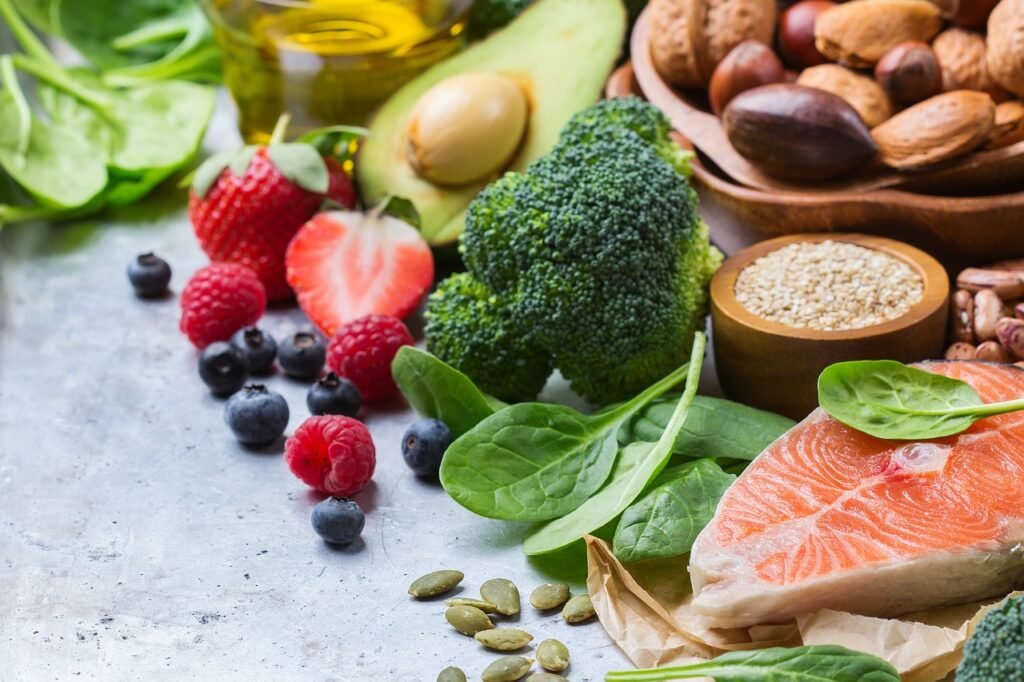
- Healthy Fats: Fats are essential for hormone regulation, brain function, and overall cell health. Healthy fats found in avocados, nuts, seeds, and olive oil are excellent choices to include in your 1500 calorie meal plan, helping you stay fuller for longer.
High-Protein 1500 Calorie Meal Plan
A high-protein 1500 calorie meal plan can support fat loss while preserving muscle mass. Protein increases satiety, which helps reduce overall calorie intake and prevents overeating.
To follow a high-protein version, aim to include a protein source in every meal. Foods like chicken breast, eggs, Greek yogurt, fish, tofu, and legumes are excellent options. Adjusting your macronutrient ratio to include slightly higher protein intake can improve results, especially for those combining diet with exercise.
Planning Meals for a 1500 Calorie Meal Plan
One of the best ways to make sure you meet the 1500 calorie target is to plan your meals in advance. Start by listing the breakfast, lunch, supper, and a few snacks on the menu. To keep things interesting and ensure that every meal is properly balanced, concentrate on include a range of items.
For instance, a grilled chicken salad with avocado and quinoa may be served for lunch, grilled salmon, steamed veggies, and sweet potatoes for supper, and porridge with berries and a boiled egg for morning. A little piece of hummus with cucumber slices or a handful of walnuts are examples of light but filling snacks.
Budget-Friendly 1500 Calorie Meal Plan
Following a 1500 calorie meal plan does not have to be expensive. With proper planning, it is possible to eat healthy while staying within a budget.
Affordable foods like oats, eggs, rice, beans, lentils, frozen vegetables, and seasonal fruits can form the base of a nutritious diet. Buying in bulk, cooking at home, and limiting processed foods can significantly reduce costs while still meeting calorie and nutrition goals.
Best Foods to Include in a 1500 Calorie Diet
When following a 1500 calorie meal plan, choosing nutrient-dense foods is essential. Foods that are rich in protein, fiber, and healthy fats help keep you satisfied while staying within your calorie target.
Some excellent food choices include:
• Lean proteins such as chicken breast, fish, eggs, and tofu
• Whole grains like brown rice, quinoa, and oats
• Healthy fats from avocados, olive oil, and nuts
• Fresh fruits and vegetables that provide vitamins, minerals, and fiber
Focusing on these foods helps ensure that your meals are balanced and nourishing while maintaining a healthy calorie intake.
Smart Snacking on a 1500 Calorie Meal Plan
Snacking is an important part of a 1500 calorie meal plan, as it can help curb hunger between meals and prevent overeating. The key is to choose healthy, filling options that won’t cause you to go over your daily calorie limit.
Some great snack ideas include:
- A small portion of mixed nuts
- Greek yogurt with a drizzle of honey
- Apple slices with almond butter
- Carrot sticks and hummus
- A boiled egg or a small protein shake
These snacks are high in fiber, protein, or healthy fats, which help keep you feeling satisfied longer.
1500 Calorie Meal Plan for Students or Busy Lifestyles
A 1500 calorie meal plan can also be adapted for students or individuals with busy schedules. The focus should be on quick, easy-to-prepare meals that require minimal time and effort.
Simple options like overnight oats, smoothies, grilled chicken wraps, boiled eggs, and ready-to-eat fruits can help maintain consistency. Meal prepping in advance can also save time and make it easier to stick to calorie goals throughout the week.
Example 1500 Calorie Meal Plan for a Day
A typical day on a 1500 calorie meal plan might look something like this:
- Breakfast (350-400 calories): A smoothie made with spinach, banana, protein powder, and almond milk.
- Lunch (400 calories): Grilled chicken breast with a quinoa and vegetable salad, dressed with olive oil and lemon.
- Snack (150 calories): A small handful of almonds and a piece of fruit, like an apple or orange.
- Dinner (500-550 calories): Grilled salmon with roasted sweet potatoes and steamed broccoli, plus a side salad with olive oil dressing.
Sample 1500 Calorie Meal Plan (Daily Breakdown)
| Meal | Food Items | Calories |
|---|---|---|
| Breakfast | Smoothie (spinach, banana, protein powder, almond milk) | 350 |
| Lunch | Grilled chicken breast, quinoa, vegetable salad with olive oil & lemon | 400 |
| Snack | Almonds (handful) + apple | 150 |
| Dinner | Grilled salmon, roasted sweet potatoes, steamed broccoli, side salad with olive oil | 500 |
| Total | — | 1400-1500 |
What Does 1500 Calories a Day Look Like?
Many people find it helpful to visualize what 1500 calories actually looks like in a day. A typical breakdown may include around 350–400 calories for breakfast, 400–500 calories for lunch, 400–500 calories for dinner, and 100–200 calories for snacks.
This balance allows you to eat satisfying meals while staying within your daily calorie target. Focusing on nutrient-dense foods ensures that you get enough vitamins, minerals, and energy without exceeding your calorie limit.
3-Day 1500 Calorie Meal Plan Example
Following a structured meal plan can make it easier to stay within your calorie target. Below is a simple three-day example of a balanced 1500 calorie diet.
Day 1
Breakfast – Oatmeal with berries and a boiled egg
Lunch – Grilled chicken salad with quinoa and olive oil dressing
Snack – Greek yogurt with honey
Dinner – Baked salmon, roasted sweet potatoes, and steamed broccoli
Day 2
Breakfast – Whole grain toast with avocado and scrambled eggs
Lunch – Turkey wrap with vegetables and a side salad
Snack – Apple slices with peanut butter
Dinner – Grilled chicken breast with brown rice and roasted vegetables
Day 3
Breakfast – Smoothie with banana, spinach, protein powder, and almond milk
Lunch – Tuna salad with whole grain crackers
Snack – Handful of almonds and a piece of fruit
Dinner – Lean beef stir-fry with mixed vegetables and brown rice
Eating Out on a 1500 Calorie Meal Plan
Your 1500 calorie meal plan doesn’t have to be derailed by eating out. You can eat at a restaurant and still remain inside your calorie limit if you prepare ahead and make thoughtful decisions. Choose baked, steamed, or grilled items over fried ones, and request dressings or sauces on the side to keep your portion sizes under control. You may also choose to split meals with friends or take a half portion, since many restaurants offer lower serving sizes.
Staying on Track with Your 1500 Calorie Meal Plan
When sticking to a 1500 calorie meal plan, consistency is essential. To ensure you’re remaining inside your goal, keep track of your caloric intake. You may record your meals and snacks using a food journal or a calorie-tracking app. Pay attention to your hunger signals and ensure that you are consuming enough fiber, protein, and healthy fats to satisfy your appetite. Burnout may result from adopting very restrictive behaviors or eliminating whole dietary categories.
Adjusting the 1500 Calorie Meal Plan for Different Goals
You may modify a 1500 calorie meal plan to meet a variety of objectives, including muscle growth, weight reduction, and maintenance. A calorie deficit while maintaining adequate nutritional intake is the main goal if you’re trying to lose weight. You may need to change the protein ratio to make sure you’re receiving enough to promote muscle development if you want to build muscle.
1500 Calorie Meal Plan for Men and Women
While a 1500 calorie meal plan can work for both men and women, individual calorie needs may vary. Women with lower activity levels may find 1500 calories suitable for weight loss, while men may need slight adjustments depending on body size and activity level.
The structure of the meal plan remains similar, but portion sizes and protein intake can be adjusted. Active individuals may need to increase calories slightly to maintain energy levels while still focusing on balanced nutrition.
The Benefits of Following a 1500 Calorie Meal Plan
You may improve your eating habits, control portion sizes, and cultivate a more positive connection with food by following a 1500 calorie meal plan. You can make sure you’re giving your body the nourishment it needs without consuming too many calories by concentrating on entire, nutrient-dense meals. A healthy metabolism depends on retaining muscle mass, which is what this eating plan does while encouraging weight reduction.
Potential Challenges of a 1500 Calorie Meal Plan
Although many people find success with the 1500-calorie meal plan, it may not be appropriate for everyone. The calorie restriction may seem too restrictive to some, while others may need more meals to maintain their energy levels. It could be worthwhile to reevaluate your meal plan and gradually increase your calorie intake if you find yourself feeling exhausted or hungry all the time. It’s important to pay attention to your body and modify your strategy as necessary.
How to Make a 1500 Calorie Meal Plan Sustainable
When implementing any meal plan, sustainability is essential. A 1500-calorie diet plan ought to seem more like a lifetime change than a band-aid solution. Make an effort to develop a long-term, pleasurable, and well-balanced food plan. Make meals enjoyable, include items you like, and give yourself permission to indulge sometimes.
Tracking Progress on a 1500 Calorie Meal Plan
Monitor your development over time for optimal outcomes. It’s critical to assess how your body is reacting, regardless of your weight reduction goals or goal of maintaining a healthy weight. To keep track of your body’s changes and modify your diet as necessary, use a food diary, scale, or measures. Remember to commemorate your accomplishments, no matter how little.
Tips for Following a 1500 Calorie Meal Plan Successfully
Sticking to a 1500 calorie diet becomes easier when you develop healthy habits. A few simple strategies can help you stay consistent and avoid feeling restricted.
• Plan meals in advance to avoid unhealthy food choices
• Include protein in every meal to stay full longer
• Drink plenty of water throughout the day
• Avoid highly processed foods that are high in empty calories
• Focus on balanced meals rather than strict calorie counting
Small, sustainable habits can make a significant difference when following any calorie-controlled diet.
Conclusion: Achieving Your Health Goals with a 1500 Calorie Meal Plan
For those who want to maintain a healthy lifestyle or reduce weight, a 1500 calorie meal plan is an effective strategy. It’s a well-rounded, adaptable strategy that permits a variety of meals, tastes, and inventiveness. You may reach your fitness and health objectives while indulging in delectable meals along the way by concentrating on whole, nutrient-dense foods and modifying your plan as necessary. You will succeed if you maintain consistency, monitor your progress, and make necessary modifications along the road.
Frequently asked questions
Yes, a 1500 calorie meal plan can create a moderate calorie deficit for weight loss, especially for adults with a sedentary lifestyle.
Absolutely! You can adjust meals based on your activity level, food preferences, and nutritional needs while keeping total calories around 1500.
For most adults, it is safe for weight loss and maintenance. However, highly active individuals or those with certain medical conditions should consult a healthcare professional.
Yes. Choose grilled, baked, or steamed items, control portion sizes, and avoid high-calorie sauces or fried foods.
It depends on your goals. For sustainable weight loss, many follow it for several weeks, gradually adjusting as needed to maintain energy and nutrients.
Pingback: Minutes of Walking for 10,000 Steps (About 100 Min) - purehealthmode
Pingback: How Many Steps Equal One Push-Up? (~10 Steps) - purehealthmode
Pingback: How Many Miles Is 1 Hour of Cycling? - purehealthmode