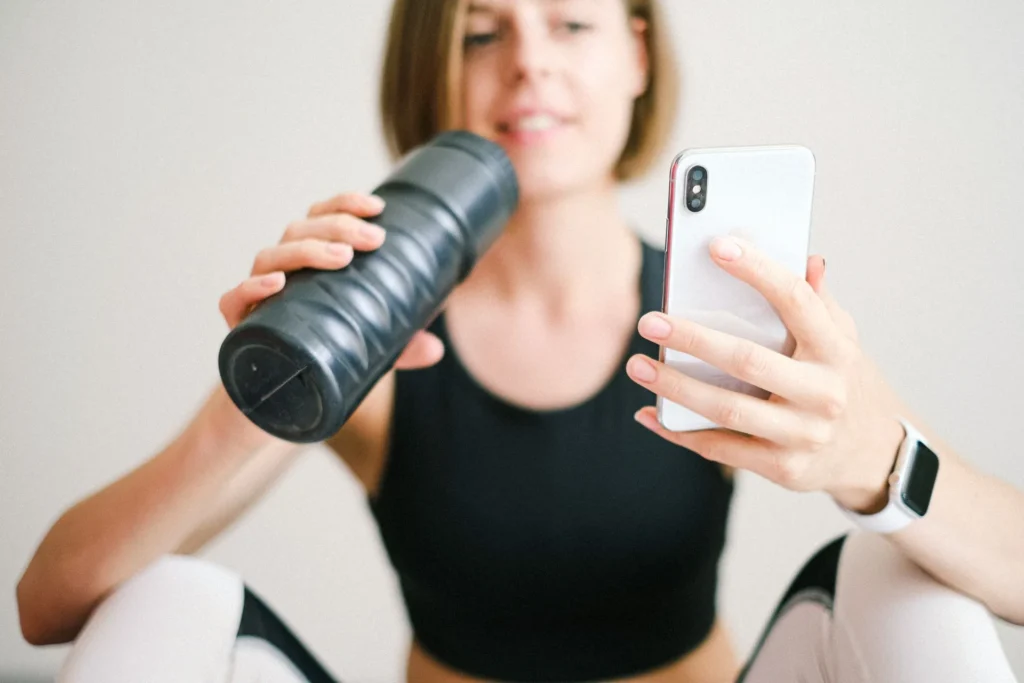
Scroll through your feed on any given day, and you will find a steady stream of health hacks, miracle tonics, and quick fixes promising dramatic results with zero effort. Some of those ideas hold real promise, while others twist early findings or skip evidence altogether.
In a survey of more than 4,000 adults conducted by YouGov, 52% of respondents said they had learned about health matters from social media. In comparison, 34% had learned from their doctor and 30% had visited a health information website.
The generational gap in how people discover these trends is striking. In the same survey, 67% of Gen Z respondents who had tried a health approach, trend, or product said they had learned about it through social media. The figure was much lower among baby boomers, at just 32%.
Learning to tell solid science apart from catchy wellness hype can protect your wallet, your time, and your health. Knowing what to look for helps you spot credible evidence and make informed decisions before buying into the next big trend.
Recognize the Red Flags Behind Viral Wellness Claims
Not every popular health recommendation is misleading, but certain warning signs deserve attention.
- Promises of quick fixes or miracle results: Be cautious of products and routines that promise rapid weight loss, instant detoxification, or complete relief from chronic symptoms. Health outcomes depend on several factors, and complex conditions rarely have one universal solution.
- Reliance on personal testimonials: An influencer claiming that a particular supplement transformed their health does not establish that it will produce similar results for everyone. Individual experiences can be useful, but they cannot replace controlled scientific research.
- Claims that one product solves multiple problems: Some wellness products are marketed as solutions for everything from poor digestion to low energy and weight management. Such broad promises deserve scrutiny, particularly when the seller provides little supporting evidence.
- Advice that contradicts established medical guidance: Recommendations to stop prescribed medication, avoid entire food groups, or replace conventional treatment with an unproven remedy can put people’s health at risk.
Another important red flag is the source of the advice. Check the qualifications of people sharing health recommendations. Registered dietitian Danielle Shine warns that many non-credible nutrition and health-related certifications can be obtained through questionable online courses.
Unlike the title “registered dietitian,” which indicates specialized education, training, certification, and licensure, the term “nutritionist” is not legally regulated. This means anyone can use the title, regardless of their qualifications or expertise.
Understand What Scientific Evidence Actually Shows
A health claim can sound scientific without being supported by strong research. Understanding a few basic research concepts can help readers evaluate what they encounter online.
Start by checking whether the information comes from a laboratory experiment, an animal study, an observational study, or a clinical trial involving people. These research methods answer different questions and do not provide the same level of evidence.
For example, a laboratory study may identify a potentially beneficial effect of a nutrient. However, this does not establish that taking a supplement containing that nutrient will produce the same results in humans.
Sample size also matters. A study involving a small group may offer interesting preliminary findings, but larger studies are often needed to determine whether the results apply to a broader population.
Look for systematic reviews and meta-analyses when available. These studies examine findings from multiple research papers and can provide a broader understanding of the available evidence. However, their conclusions still depend on the quality of the studies included.
It is also important to distinguish correlation from causation. If people who follow a particular diet experience better health outcomes, it does not automatically mean the diet caused those improvements. Other lifestyle factors may contribute.
Question Wellness Trends Before Following Them
Viral wellness trends often simplify complex biological processes. Looking closely at common claims can help separate hype from solid evidence.
Detox teas and cleansing diets, for instance, are widely marketed as ways to flush out toxins, ease bloating, or speed up weight loss. However, research supporting detox diets is limited and often based on poor-quality studies. Harsh cleansing programs may also cause dehydration. The body already has organs, including the liver and kidneys, that naturally help process and eliminate waste.
Weight-loss supplements frequently promise effortless fat loss or a faster metabolism despite limited scientific evidence. Some ingredients may also interact with medications or cause harmful side effects.
Similarly, one-size-fits-all nutrition advice ignores key differences in age, activity level, health conditions, and genetics. A 2024 article in Frontiers in Nutrition highlights the importance of personalized nutrition. It notes that genetic differences, gut microbes, lifestyle, and cultural food habits can all influence a person’s nutritional needs.
Rather than following extreme recommendations, look for research that supports the specific claim. A product or habit may offer certain benefits without delivering everything promised in its marketing.
Consult Healthcare Professionals Before Acting on Health Advice
Even well-researched health information can be difficult to interpret. Medical terminology, changing treatment guidelines, and conflicting study findings can leave people unsure about which recommendations to trust.
Healthcare professionals can help make sense of this information by explaining treatment options and assessing whether particular advice is appropriate for an individual’s needs.
Nurses play an important role in this process, both through direct patient care and by educating others. Specialized training helps prepare them to communicate medical information clearly and support evidence-based practice.
An online master’s in nursing education, for example, allows experienced nurses to develop their teaching skills while continuing to work. It can prepare them for roles in clinical instruction, curriculum development, and healthcare education.
The need for qualified nursing educators is also growing. Walsh University highlights that employment for nursing instructors and educators is projected to increase by 22% through 2030, representing approximately 16,300 new jobs. These educators will help prepare the next generation of nurses to deliver evidence-based care.
For patients, consulting qualified professionals remains one of the best ways to make informed health decisions.
Build a Habit of Fact-Checking Health Information
With so much health advice circulating online, knowing how to verify information matters just as much as knowing where to find it.
A 2025 study found that personal confidence, skepticism, and recognizing uncertainty all shape whether people fact-check health posts on social media. Pausing to question claims rather than taking them at face value is the first step toward separating solid evidence from hype.
You don’t need to investigate every post in detail, but a few simple habits can help you make more informed decisions:
- Check established health organizations: Consult the CDC, WHO, NIH, and MedlinePlus for evidence-based health information.
- Look for the original research: If a post references a scientific study, find the actual paper rather than relying on an influencer’s interpretation.
- Check publication dates: Older information may no longer reflect current medical guidance.
- Compare independent sources: See whether other reputable medical institutions support the same recommendation.
- Ask a healthcare professional: Discuss unfamiliar treatments, supplements, or major lifestyle changes with a qualified provider before trying them.
If you cannot verify a health claim, avoid sharing it as an established fact. A little caution can prevent misleading information from spreading further.
Frequently Asked Questions
Check the creator’s qualifications, look for references to credible research, and compare the information with guidance from established health organizations. Be cautious of exaggerated promises, unsupported testimonials, and posts designed primarily to sell products.
Viral trends can spread misleading or incomplete health information. Some may encourage restrictive diets, unnecessary supplements, or unsafe practices. Always examine the evidence and consider whether a recommendation is appropriate for your health needs.
The CDC, WHO, NIH, and MedlinePlus are useful starting points. Peer-reviewed medical journals, university research centers, and established healthcare organizations can also provide credible information. Consult a qualified healthcare professional when making decisions about your personal health.
Statistics on Health Information, Wellness Trends, and Nursing Education
| Statistic | Value |
|---|---|
| Adults who learned about health matters through social media | 52% |
| Adults who learned about health matters from their doctor | 34% |
| Adults who used a health information website | 30% |
| Gen Z respondents who tried a health approach, trend, or product and learned about it through social media | 67% |
| Baby boomers who tried a health approach, trend, or product and learned about it through social media | 32% |
| Projected employment growth for nursing instructors and educators through 2030 | 22% |
Viral wellness trends will continue to influence how people think about nutrition, fitness, supplements, and preventive healthcare. However, popularity does not establish scientific credibility.
Learning to recognize exaggerated promises, question personal testimonials, examine research, and consult reliable sources can help readers make better-informed decisions. Instead of following every new health trend, focus on recommendations supported by credible evidence and guidance appropriate to your individual needs.
Disclosure: This article may include promotional content alongside independent health information and research references. Readers are encouraged to verify health claims through trusted sources and consult qualified healthcare professionals before making health-related decisions.