
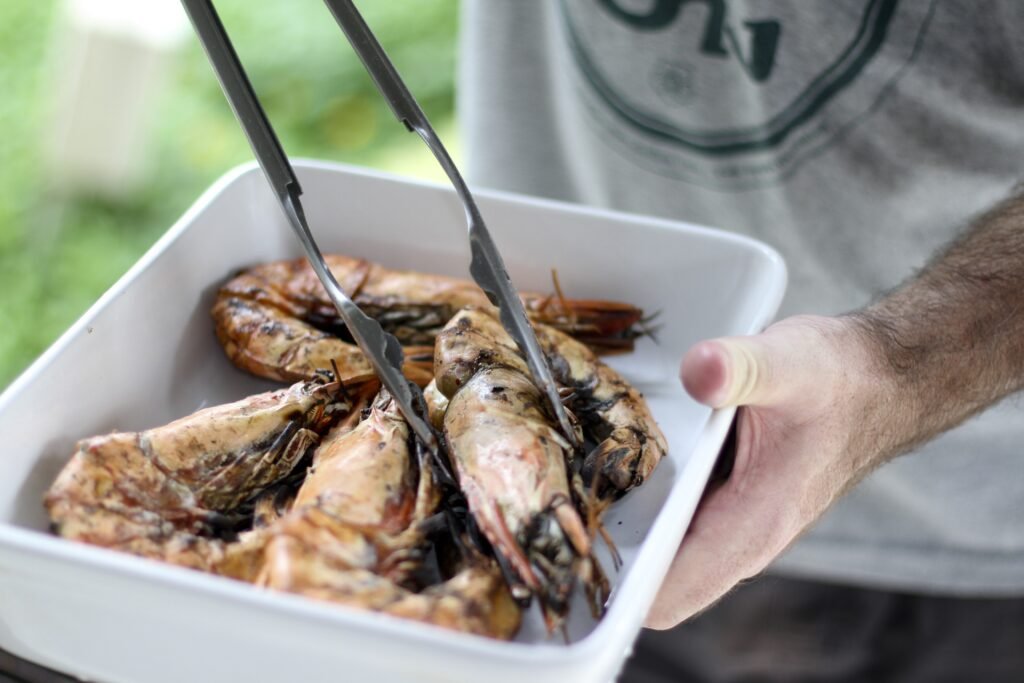
Shrimp is one of the most popular seafood choices around the world—and for good reason. It’s affordable, quick to cook, and surprisingly packed with nutrients. But one question people often ask, especially those focused on fitness or weight loss, is simple: how much protein is actually in one shrimp?
The answer isn’t just a single number. It depends on the size of the shrimp, how it’s cooked, and how many you eat. Let’s break it down in a clear and practical way so you can actually use this information in your diet.
Protein Content in One Shrimp Explained Simply
On average, one medium-sized shrimp (about 7–8 grams) contains roughly 0.8 to 1 gram of protein.
Here’s a quick breakdown based on size:
- Small shrimp → ~0.5 grams of protein
- Medium shrimp → ~0.8–1 gram of protein
- Large shrimp → ~1.2–1.5 grams of protein
So if you eat 10 medium shrimp, you’re getting about 8–10 grams of protein, which is a decent amount for such a small portion.
However, people rarely eat just one shrimp. A standard serving (about 85–100 grams or 3–4 ounces) contains around 18–24 grams of protein, making shrimp a high-protein food overall.
Why Shrimp Is Considered a High-Protein Food
Even though one shrimp seems small, shrimp is considered protein-rich because of its protein density.
In simple terms:
- Low in calories
- Very low in fat
- High in protein per calorie
For example, a 100-gram serving of shrimp has:
- ~99 calories
- ~20–24 grams protein
This makes it ideal for:
- Weight loss diets
- Lean muscle building
- High-protein meal plans
If you’re following something structured like a 1500 Calorie Meal Plan, shrimp can fit in perfectly without increasing calories too much.
Shrimp vs Other Protein Sources
To understand shrimp better, it helps to compare it with other common protein foods:
- Chicken breast (100g) → ~31g protein
- Eggs (1 large) → ~6g protein
- Cottage cheese (100g) → ~11g protein
- Shrimp (100g) → ~20–24g protein
While chicken has more protein overall, shrimp offers a leaner option with fewer calories, which is especially useful for cutting fat.
If you already include cottage cheese in your diet, check out Cottage Cheese Nutrition and consider pairing it with shrimp as a complementary protein source to diversify your meals.
Does Cooking Affect Protein in Shrimp?
Cooking doesn’t significantly reduce the protein content in shrimp, but it can slightly change the weight and water content.
Here’s what matters:
- Boiled or steamed shrimp → best for retaining nutrients
- Grilled shrimp → still high in protein, adds flavor
- Fried shrimp → protein stays, but calories increase due to oil
So if your goal is health or fat loss, stick to:
- Steamed
- Boiled
- Lightly grilled
Avoid deep frying if you’re trying to keep your diet clean.
Is Shrimp Good for Weight Loss?
Yes, shrimp is actually one of the best foods for weight loss.
Here’s why:
- High protein keeps you full longer
- Low calories help maintain a calorie deficit
- No carbs, which helps in controlled diets
Protein plays a key role in reducing hunger and preventing muscle loss while dieting. That’s why shrimp works well alongside options like liquid protein options if you’re trying to increase daily protein intake.
How Many Shrimp Should You Eat Per Day?
This depends on your protein needs.
A general guideline:
- Sedentary person → ~0.8g protein per kg body weight
- Active person → 1.2–2.0g protein per kg
Example:
If you weigh 70 kg:
- You need around 56–140 grams of protein daily
Shrimp can contribute a good portion of this:
- 100g shrimp → ~20g protein
- 200g shrimp → ~40g protein
So eating shrimp as one meal can cover a large chunk of your daily protein needs.
Shrimp for Muscle Gain and Bulking
Shrimp isn’t just for weight loss—it’s also useful for muscle gain.
However, since it’s low in calories, you’ll need to pair it with calorie-dense foods if your goal is bulking.
For example:
- Shrimp + rice
- Shrimp + potatoes
- Shrimp + healthy fats (olive oil, avocado)
You can combine shrimp meals with strategies from Protein Powder for Weight Gain and Healthy Mass to meet both protein and calorie goals effectively.
Other Nutritional Benefits of Shrimp
Protein is just one part of the story. Shrimp also provides:
- Vitamin B12 → supports energy and brain function
- Selenium → powerful antioxidant
- Iodine → important for thyroid health
- Omega-3 fatty acids → good for heart health
This makes shrimp more than just a protein source—it’s a nutrient-dense food overall.
Is Eating Shrimp Daily Safe?
For most people, yes—eating shrimp regularly is safe in moderate amounts.
But keep these points in mind:
- Shrimp contains cholesterol, but research shows it doesn’t significantly harm heart health for most people
- Avoid overconsumption (e.g., large amounts daily)
- Choose clean, well-sourced shrimp to avoid contaminants
A balanced diet is always key. You can rotate shrimp with other protein sources like bone broth for variety and additional nutrients.
Shrimp in Different Diet Types
Shrimp fits into many popular diets:
- Low-carb / keto → zero carbs
- High-protein diets → excellent option
- Gluten-free diets → naturally safe
If you’re following a structured plan like a Gluten-Free Meal Plan, shrimp is an easy and versatile addition.
Practical Tips to Add Shrimp to Your Diet
If you want to start eating more shrimp, keep it simple:
- Add to salads for a protein boost
- Mix with rice or quinoa for balanced meals
- Use in stir-fries for quick dinners
- Pair with vegetables for low-calorie meals
Shrimp cooks very fast (usually 3–5 minutes), making it perfect for busy routines—especially if you’re working long hours and need quick, nutritious meals.
Final Thoughts
So, how much protein is in one shrimp? Around 0.8 to 1 gram, depending on size.
It may not sound like much, but when you eat a full serving, shrimp becomes a powerful protein source—low in calories, rich in nutrients, and incredibly versatile.
Whether your goal is weight loss, muscle gain, or simply eating healthier, shrimp is one of the easiest foods to include in your diet. The key is portion size, cooking method, and pairing it with the right foods to match your goals.
If you use it smartly, shrimp can become a consistent and valuable part of your daily nutrition.