
Introduction
Can sleep apnea go away on its own, or is it a lifelong condition? This is one of the most common questions people ask after being diagnosed. The condition can feel serious and frustrating, especially when it starts affecting your sleep quality, energy levels, and overall health.
The truth is that it does not always go away completely, but in some cases, it can improve significantly or even disappear with the right lifestyle changes and treatment. The outcome depends on the type of sleep apnea, its severity, and the underlying cause.
In this guide, you will learn whether sleep apnea can go away, what factors influence recovery, and what practical steps you can take to improve or manage the condition effectively.
What Is Sleep Apnea and Why Does It Happen?
Understanding the condition
Sleep apnea is a sleep disorder where breathing repeatedly stops and starts during sleep. These pauses can last a few seconds to over a minute and may occur multiple times per hour. This disrupts normal sleep cycles and reduces oxygen levels in the body.
There are three main types of sleep apnea:
- Obstructive sleep apnea (OSA) – caused by airway blockage
- Central sleep apnea – caused by brain signaling issues
- Complex sleep apnea – a combination of both
Obstructive sleep apnea is the most common type and is often linked to lifestyle factors such as weight, sleep position, and muscle relaxation during sleep.
Common causes and risk factors
Several factors increase the risk of sleep apnea:
- Excess weight
- Narrow airway structure
- Smoking or alcohol use
- Poor sleep habits
- Age and genetics
Improving your routine with better nightly sleep habits can reduce some of these risks and improve overall sleep quality.
Can Sleep Apnea Go Away on Its Own?
When it might improve naturally
In some mild cases, sleep apnea can improve without medical treatment, especially when lifestyle changes are made. For example, weight loss, better sleep posture, and reducing alcohol intake can significantly reduce symptoms.
Children with sleep apnea sometimes outgrow the condition as their airways develop. However, this is less common in adults.
When it usually does not go away
Moderate to severe sleep apnea typically does not go away on its own. In these cases, the airway obstruction or neurological issue remains present, and treatment is necessary to manage symptoms.
Ignoring sleep apnea can lead to serious health issues such as high blood pressure, heart disease, and chronic fatigue. This is why early management is important even if symptoms seem mild.
Can Sleep Apnea Go Away With Weight Loss?
The role of body weight
Weight is one of the biggest factors influencing obstructive sleep apnea. Excess fat around the neck can narrow the airway, making it more likely to collapse during sleep.
Losing weight can reduce this pressure and improve airflow. In some cases, significant weight loss can completely eliminate symptoms.
Realistic expectations
While weight loss can greatly improve sleep apnea, it does not guarantee a complete cure for everyone. Some people may still require treatment even after reaching a healthy weight. This is because factors like airway structure, genetics, and muscle tone also play a role in how sleep apnea develops and persists.
For those aiming to lose weight in a structured and sustainable way, following a balanced approach is essential. A well-planned diet can support fat loss while maintaining energy levels and overall health. For example, you can follow a simple daily calorie-controlled diet plan to create a consistent calorie deficit without extreme restrictions.
Combining proper nutrition with regular physical activity, good sleep habits, and medical guidance can significantly improve sleep apnea symptoms. Over time, these changes not only support weight loss but also help reduce airway pressure, improve breathing patterns, and enhance sleep quality.
Combining weight management with daily habits that boost energy levels can support better recovery and overall health.
Treatments That Can Help Sleep Apnea Go Away
CPAP and medical devices
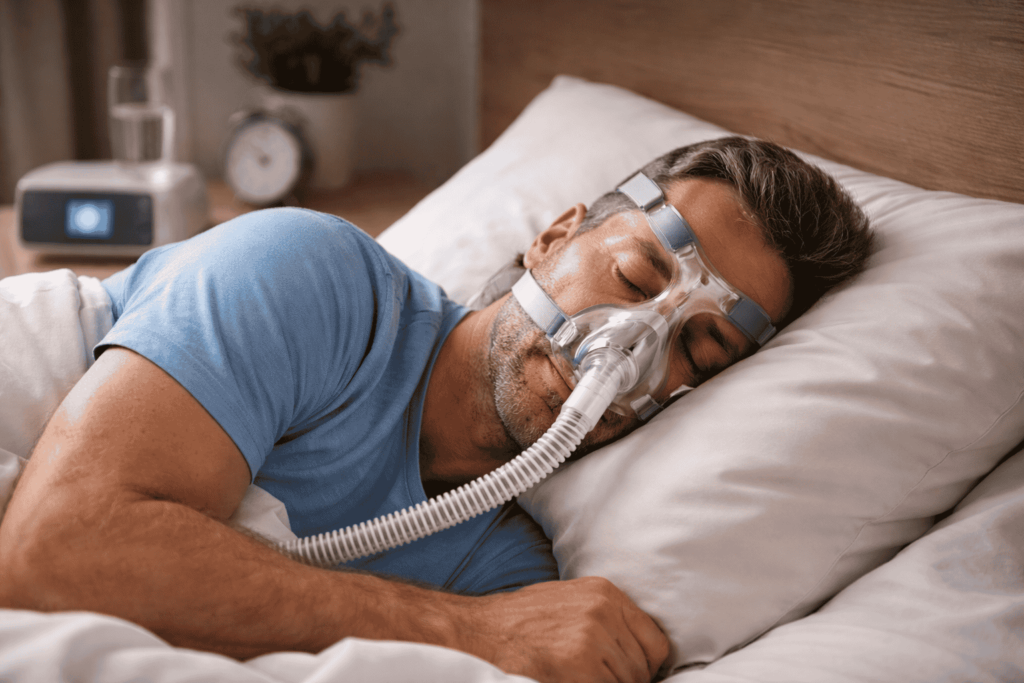
Continuous Positive Airway Pressure (CPAP) therapy is one of the most effective treatments for sleep apnea. It works by keeping the airway open during sleep using a steady flow of air.
Other options include:
- Oral appliances
- Positional therapy
- Surgical procedures
These treatments do not always “cure” sleep apnea but can control symptoms effectively.
Lifestyle-based treatment approach
Lifestyle changes play a huge role in improving sleep apnea:
- Maintaining a healthy weight
- Sleeping on your side
- Avoiding alcohol before bed
- Keeping a consistent sleep schedule
If you use dental devices for sleep-related issues, understanding night guard safety and long-term use can also be helpful.
Signs Your Sleep Apnea Is Improving
Positive changes to look for
If your sleep apnea is improving, you may notice:
- Reduced snoring
- Better sleep quality
- Increased energy during the day
- Fewer nighttime awakenings
These are good indicators that your treatment or lifestyle changes are working.
Monitoring progress
It is important to track your progress over time. Sleep studies or home sleep tests can provide accurate insights into whether your condition is improving or not. These tests measure factors like breathing patterns, oxygen levels, and the number of apnea episodes per hour, giving a clear picture of how well your treatment or lifestyle changes are working.
In addition to formal testing, you can also monitor daily symptoms at home. Improvements such as reduced snoring, fewer nighttime awakenings, better focus during the day, and feeling more refreshed in the morning are strong indicators that your sleep apnea is getting better. Keeping a simple sleep journal or using wearable sleep trackers can help you notice these changes more consistently.
Even if symptoms improve, regular monitoring is important to ensure the condition does not return. Sleep apnea can come back due to weight gain, poor sleep habits, or aging. That’s why maintaining healthy routines, following medical advice, and scheduling periodic checkups are essential for long-term control. Consistent monitoring helps you catch early warning signs and adjust your approach before the condition worsens again.
When to Seek Medical Help in Sleep apnea
Warning signs you should not ignore
If you experience severe symptoms such as loud snoring, choking during sleep, or extreme daytime fatigue, you should seek medical advice immediately.
Other signs include:
- Morning headaches
- Difficulty concentrating
- Mood changes
These may indicate moderate to severe sleep apnea that requires treatment.
Importance of diagnosis
A proper diagnosis is essential because untreated sleep apnea can lead to serious health risks. Doctors may recommend a sleep study to determine the severity and type of apnea.
Early intervention can prevent long-term complications and improve quality of life.
Can Lifestyle Changes Cure Sleep Apnea?
How lifestyle affects recovery
Lifestyle changes are one of the most powerful tools for managing sleep apnea. In mild cases, they can even eliminate symptoms completely.
Key changes include:
- Weight management
- Regular exercise
- Healthy sleep routine
- Avoiding smoking and alcohol
These changes improve overall health and reduce airway obstruction.
Combining lifestyle with treatment in Sleep Apnea
For best results, lifestyle changes should be combined with medical treatment when needed. This combined approach addresses both the root causes and the symptoms of sleep apnea, leading to more effective and sustainable improvement over time. While treatments like CPAP therapy or oral devices help keep the airway open during sleep, lifestyle changes such as weight management, better sleep posture, and avoiding alcohol work to reduce the underlying triggers.
When both strategies are used together, patients often experience faster symptom relief, better sleep quality, and improved daytime energy levels. Over time, consistent lifestyle improvements may even reduce the severity of the condition, allowing some individuals to rely less on medical devices under proper supervision.
However, it’s important not to stop treatment suddenly without medical guidance. The goal is gradual improvement and long-term control, not quick fixes. By combining medical support with healthy daily habits, you create a more balanced and effective plan that supports both recovery and overall well-being.
Final Thoughts
So, can sleep apnea go away? In some cases, yes — especially when it is mild and linked to lifestyle factors like weight and sleep habits. However, for many people, sleep apnea requires ongoing management rather than a complete cure.
The most effective approach is to combine healthy lifestyle changes with proper medical treatment when needed. Improving your sleep routine, maintaining a healthy weight, and seeking early diagnosis can significantly reduce symptoms and improve quality of life.
If you suspect sleep apnea or notice worsening symptoms, do not ignore it. Taking action early can make a big difference in both your sleep and long-term health.
Frequently Asked Questions
Yes, in mild cases with lifestyle changes, but not always.
It can improve or eliminate symptoms in some cases.
Not always, but many cases require long-term management.
Yes, if left untreated.
Yes, it can lead to serious health problems.
Yes, regular exercise can improve symptoms.