
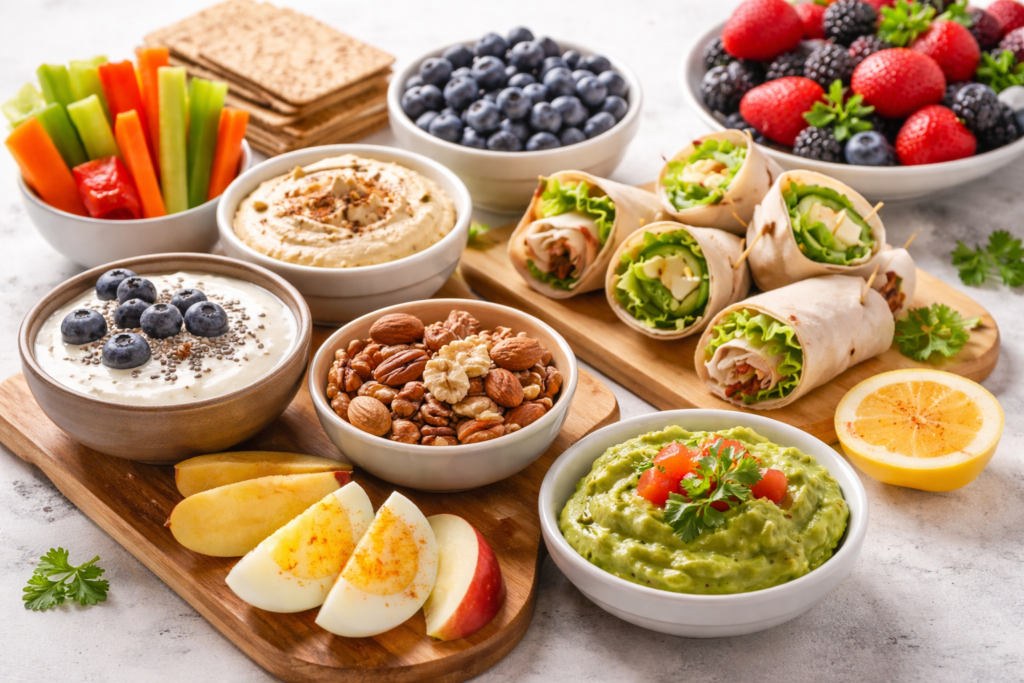
Managing diabetes requires careful attention to food choices throughout the day. While main meals often receive the most focus, snacks also play an important role in maintaining steady blood sugar levels and preventing sudden spikes or crashes. Choosing the right snacks can help support energy levels, reduce hunger between meals, and contribute to better overall health.
For people living with diabetes, the goal is not simply to avoid sugar. Instead, it is about selecting foods that provide balanced nutrition, moderate carbohydrates, fiber, and protein. These elements help slow down digestion and prevent rapid changes in blood glucose.
Understanding which snacks work best can make daily eating habits easier and more sustainable.
Why Snacks Matter for People with Diabetes
Snacking is sometimes misunderstood as an unhealthy habit, but when done correctly, it can actually support blood sugar control. Long gaps between meals may lead to drops in glucose levels, especially for people taking insulin or certain medications.
Healthy snacks can provide several benefits:
- They help maintain steady blood sugar levels between meals.
- They prevent overeating during main meals.
- They provide additional nutrients that support overall health.
- They help manage hunger and energy throughout the day.
However, not all snacks are suitable for people with diabetes. Highly processed snacks, sugary and/or energy drinks, and refined carbohydrates can cause rapid spikes in blood sugar, making them poor choices.
The key is to focus on snacks that combine fiber, protein, and healthy fats.
Understanding What Makes a Snack Diabetic-Friendly
Before exploring specific foods, it is useful to understand what makes a snack suitable for people managing diabetes.
Balanced carbohydrates and fiber support steady energy
Carbohydrates directly affect blood sugar levels, but that does not mean they should be eliminated. Instead, choosing carbohydrates that are rich in fiber can slow down digestion and reduce glucose spikes.
Whole fruits, vegetables, nuts, and whole grains are examples of foods that contain natural fiber.
Protein helps control hunger and glucose levels
Protein slows digestion and promotes a feeling of fullness. Snacks that include protein can help reduce sudden increases in blood sugar and support muscle health.
Some common protein sources include yogurt, nuts, eggs, and lean meats.
Healthy fats contribute to longer satiety
Healthy fats from foods such as avocados, nuts, and seeds help keep you satisfied for longer periods. They also support heart health, which is particularly important for people with diabetes.
When snacks combine these three elements—fiber, protein, and healthy fats—they become more effective at maintaining stable blood sugar.
Fresh Fruit with Nut Butter
Fruit naturally contains carbohydrates, but it also provides fiber, vitamins, and antioxidants. Pairing fruit with a small portion of nut butter can create a balanced snack that slows the release of sugar into the bloodstream.
Apples with peanut butter or almond butter are popular choices. The fiber from the fruit and the healthy fats from the nuts help prevent rapid blood sugar spikes.
Choosing whole fruits rather than fruit juices is important because juices often lack fiber and can raise blood sugar quickly.
Greek Yogurt with Seeds or Nuts
Greek yogurt is a protein-rich snack that can help support stable glucose levels. It contains significantly more protein than regular yogurt, which helps promote fullness and steady energy. To know the exact protein and gram content, check out How Many Grams in a Cup of Greek Yogurt? for detailed measurements.
Adding chia seeds, flaxseeds, or a handful of almonds can further enhance the nutritional value. These ingredients provide fiber and healthy fats that help balance the carbohydrates in yogurt.
For people managing diabetes, plain or unsweetened Greek yogurt is usually the best option to avoid added sugars.
Hard-Boiled Eggs for a Simple Protein Boost
Eggs are one of the most convenient and nutritious snack options. They contain high-quality protein and important nutrients such as vitamin B12, selenium, and choline.
A hard-boiled egg can keep you full for longer periods while providing minimal carbohydrates. Because eggs do not significantly raise blood sugar levels, they are considered a reliable snack for people with diabetes.
Pairing eggs with sliced vegetables like cucumbers or cherry tomatoes can add fiber and freshness.
Cottage Cheese with Fresh Berries
Cottage cheese is another high-protein dairy option that works well as a snack. It provides calcium, protein, and several essential nutrients while being relatively low in carbohydrates.
Adding a small portion of berries can bring natural sweetness and antioxidants. Berries such as strawberries, blueberries, and raspberries are lower in sugar compared to many other fruits.
This combination creates a balanced snack that supports stable energy levels throughout the day.
Mixed Nuts for Balanced Nutrition
Nuts are among the most practical and nutritious diabetic snack ideas. They provide protein, healthy fats, and fiber, which together help slow digestion and maintain blood sugar balance.
Almonds, walnuts, pistachios, and cashews are all excellent choices. A small handful is usually enough to provide satisfying nutrition without excessive calories.
Regular consumption of nuts has also been associated with improved heart health, which is particularly beneficial for people managing diabetes.
Vegetable Sticks with Hummus
Fresh vegetables such as carrots, celery, cucumber, and bell peppers make excellent snack bases. They are naturally low in carbohydrates and high in fiber.
Hummus, made from chickpeas, adds protein and healthy fats. When combined with vegetables, it creates a filling snack that helps maintain stable glucose levels.
This snack is also rich in vitamins and minerals that support overall wellness.
Whole-Grain Crackers with Tuna or Chicken
Whole-grain crackers paired with tuna or shredded chicken can create a balanced snack that includes both protein and fiber.
Tuna contains omega-3 fatty acids that support heart health, while whole grains provide slow-digesting carbohydrates. Together, they help maintain steady energy levels and reduce hunger between meals.
Portion control is still important, but this snack can be both satisfying and nutritious.
Avocado on Whole-Grain Toast
Avocado is a nutrient-dense food rich in healthy fats, fiber, and potassium. When spread on whole-grain toast, it creates a balanced snack that provides sustained energy.
The combination of fiber and healthy fats helps slow down carbohydrate absorption, which is beneficial for blood sugar control.
Adding sliced tomatoes or a sprinkle of seeds can enhance both flavor and nutrition.
Roasted Chickpeas for Crunchy Satisfaction
Roasted chickpeas are a crunchy and flavorful snack option. They provide plant-based protein and fiber while being lower in unhealthy fats compared to many processed snacks.
Seasoning chickpeas with spices such as paprika, garlic powder, or turmeric can create a satisfying snack without relying on excess salt or sugar.
This snack is especially helpful for those who crave something crunchy but want to maintain healthier eating habits.
Smoothies Made with Balanced Ingredients
Smoothies can be a convenient snack when prepared carefully. Instead of relying on sugary ingredients, focus on balanced combinations such as unsweetened milk, leafy greens, berries, and protein sources.
Some individuals also include protein shakes designed for weight management as part of their routine when preparing quick smoothies. These options can add extra protein while supporting balanced nutrition.
Blending fruits with protein and fiber-rich ingredients can help create a satisfying snack that avoids sudden blood sugar spikes.
Portion Awareness and Consistent Meal Planning
Even healthy snacks should be consumed in appropriate portions. Eating large amounts of carbohydrates—even healthy ones—can still affect blood sugar levels.
Developing consistent meal patterns can help maintain better control. Some individuals prefer structured approaches such as a 1500 calories diet plan to manage their daily intake and ensure balanced nutrition throughout the day.
Planning meals and snacks ahead of time can reduce the temptation to rely on highly processed foods.
Practical Tips for Choosing Better Snacks
Making better snack choices often comes down to simple habits and awareness. Keeping a few strategies in mind can make the process easier.
Choose snacks that contain both protein and fiber.
Avoid snacks that rely heavily on refined sugars or white flour.
Prepare healthy snacks ahead of time for busy days.
Stay hydrated, as thirst is sometimes mistaken for hunger.
Focus on whole foods whenever possible.
By following these habits, people with diabetes can enjoy snacks without worrying about major fluctuations in blood sugar levels.
Final Thoughts
Choosing good snacks for diabetics does not have to be complicated. The key is to focus on foods that provide balanced nutrition, moderate carbohydrates, and ingredients that support stable energy levels.
Options such as nuts, yogurt, eggs, vegetables with hummus, and whole-grain snacks can all play a role in maintaining healthy blood sugar control. With thoughtful choices and consistent habits, snacks can become a helpful part of diabetes management rather than a challenge.
Understanding which foods support steady glucose levels allows individuals to enjoy satisfying snacks while maintaining their long-term health goals.