
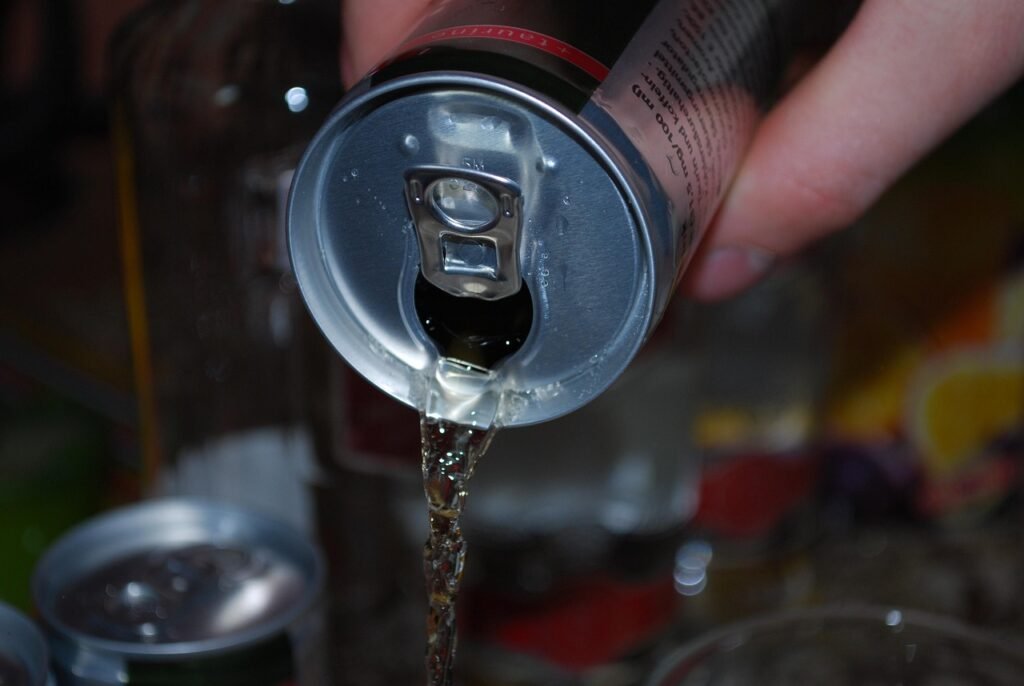
Energy drinks have become increasingly popular in recent years, especially among young adults, athletes, and busy professionals. They are marketed as beverages that can boost energy, improve focus, and keep you alert. But when it comes to hydration, the question arises: can energy drinks truly keep you hydrated, or do they have unintended effects on your body?
In this article, we will explore the relationship between energy drinks and hydration, their potential benefits, risks, and healthier alternatives to maintain optimal fluid balance.
What Are Energy Drinks?
Energy drinks are beverages that typically contain caffeine, sugar, vitamins, and other stimulants like taurine or ginseng. Their main goal is to temporarily increase alertness and reduce fatigue. Some also include electrolytes and amino acids, which can have minor benefits for hydration or performance.
Common examples include various types of energy drinks available on the market. While many people turn to these drinks for a quick energy boost, it’s essential to understand how they affect your body, particularly your hydration status.
Energy Drinks and Hydration: The Science
Hydration occurs when your body maintains an adequate balance of fluids, electrolytes, and water to support cellular and organ function. Water is the primary source of hydration, but fluids like herbal tea, milk, and electrolyte drinks also contribute.
Energy drinks contain water and electrolytes, which theoretically could aid hydration. However, they also contain caffeine, a mild diuretic that can increase urine production. While moderate caffeine intake usually does not significantly dehydrate healthy adults, consuming large amounts of energy drinks may lead to fluid loss over time.
Moreover, the high sugar content in many energy drinks can impact hydration by drawing water into the intestines during digestion, potentially leaving the body less hydrated if not compensated with adequate water intake.
Key Takeaway:
Energy drinks cannot replace water for proper hydration, especially during intense physical activity, hot climates, or prolonged exercise.
Potential Risks of Using Energy Drinks for Hydration
- Dehydration Risk
While occasional consumption is unlikely to cause major issues, relying on energy drinks as your main hydration source can be counterproductive due to caffeine and sugar content. - High Sugar Intake
Many energy drinks contain 20–30 grams of sugar per serving, which can contribute to weight gain, insulin spikes, and plaque on teeth. Adopting Daily Health Habits that improve energy can help offset these effects and support overall health. - If you’re aiming for weight loss, a 1500 Calorie Meal Plan: A Comprehensive Guide to Healthy Eating can help you stay on track with healthier choices.
- Caffeine Overload
High caffeine intake can lead to increased heart rate, anxiety, and sleep disturbances, which indirectly affect hydration by altering your body’s normal fluid regulation. - Electrolyte Imbalance
Some energy drinks add electrolytes, but the levels are usually insufficient compared to sports drinks designed for rehydration after heavy exercise or heat exposure.
Can Energy Drinks Ever Help With Hydration?
Energy drinks may provide minimal hydration, but only if they are consumed in moderation and alongside sufficient water intake. Drinks that contain added electrolytes and low sugar may help maintain fluid balance slightly better than high-sugar versions.
For instance, some brands specifically market “energy + electrolyte” drinks, which can provide temporary hydration during short bouts of activity. However, for serious hydration needs, such as after prolonged exercise or illness, plain water or electrolyte solutions like coconut water or oral rehydration solutions are far superior.
Healthier Alternatives for Hydration and Energy
If your goal is both hydration and energy without the drawbacks of standard energy drinks, consider these alternatives:
- Water with Lemon or Fruit Infusions
Adds flavor and a small vitamin boost while keeping hydration intact. - Coconut Water
Naturally contains electrolytes like potassium and magnesium, which support fluid balance. - Green Tea
Contains moderate caffeine and antioxidants, providing gentle energy without excessive sugar. - Homemade Electrolyte Drinks
Mix water, a pinch of salt, and natural fruit juice for a low-sugar hydration boost. - Small, Balanced Snacks
Foods like bananas, yogurt, and nuts provide natural energy alongside hydration from food content.
Tips for Using Energy Drinks Safely
If you choose to consume energy drinks, follow these guidelines to reduce risks:
- Limit to one serving per day
- Avoid drinking on an empty stomach
- Do not rely on them for hydration during exercise
- Drink plenty of water alongside energy drinks
- Be cautious if you have heart conditions, high blood pressure, or are pregnant
Conclusion
Energy drinks can provide a temporary boost in alertness and energy, but they are not a reliable source of hydration. Their high caffeine and sugar content can actually counteract hydration, especially when consumed in large quantities.
For maintaining optimal fluid balance, water should always be your primary choice, with coconut water, herbal teas, and natural electrolyte drinks as excellent alternatives. If you enjoy energy drinks, consume them occasionally and responsibly, and always pair them with adequate water intake to keep your body fully hydrated.
By understanding the limits of energy drinks and prioritizing proper hydration, you can enjoy your day with sustained energy without compromising your health.