
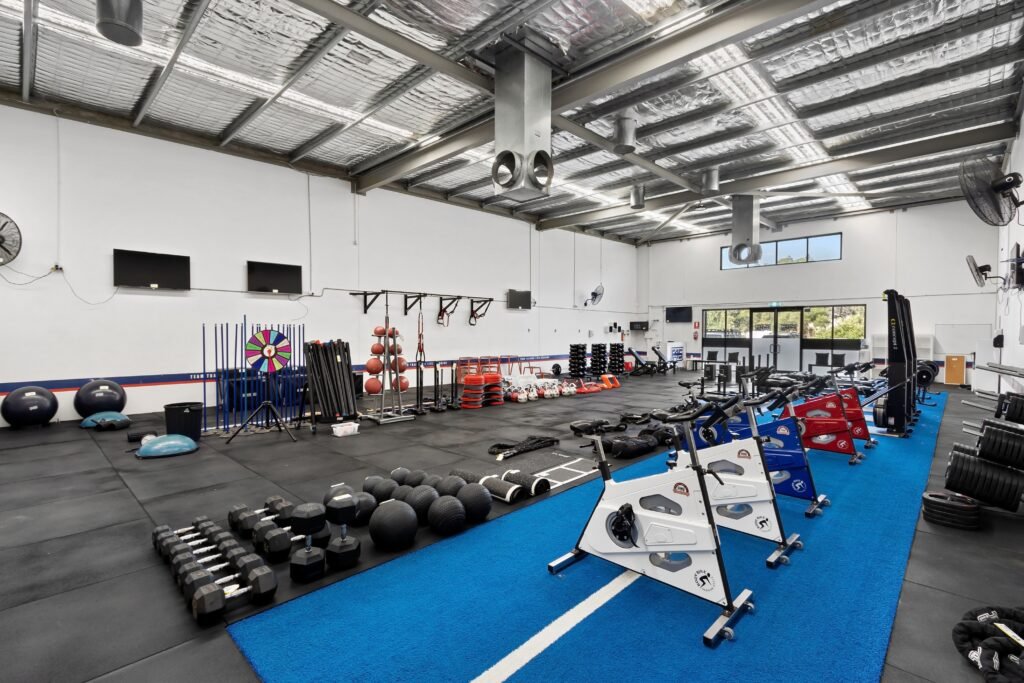
Building strong and defined biceps is one of the most common fitness goals for beginners and experienced gym-goers alike. While many people rely on free weights like dumbbells and barbells, using workout machines for biceps can be an excellent way to isolate the muscles and maintain proper form.
Machines provide controlled movement, which reduces the risk of injury and helps beginners learn the correct motion. They are also useful for experienced lifters who want to focus on muscle contraction and progressive overload.
In this guide, we’ll explore the best machine workout for biceps, how to use them properly, and how they can help you build stronger arms.
Why Use Machines for Biceps Training?
Free weights are great for building strength, but machines offer some unique advantages.
First, machines guide your movement along a fixed path. This helps maintain proper technique, especially for beginners who may struggle with balance or posture during curls.
Second, machines isolate the biceps more effectively. When using dumbbells or barbells, other muscles like the shoulders or back may assist the movement. Machines reduce this assistance and place more tension directly on the biceps.
Another benefit is safety. Since the movement is controlled, there is less chance of dropping weights or straining joints.
For many people, combining machines with free weights creates a balanced arm training routine.
Understanding the Biceps Muscle
Before using machines, it helps to understand the muscle you’re training.
The biceps brachii is the large muscle on the front of the upper arm. It has two heads:
- Long head – responsible for the peak of the biceps
- Short head – contributes to the thickness of the arm
Biceps also assist with elbow flexion and forearm rotation. This means any movement that bends the elbow or turns the palm upward activates the muscle.
Most biceps machines are designed to mimic curling movements while keeping tension on these muscle fibers.
Preacher Curl Machine
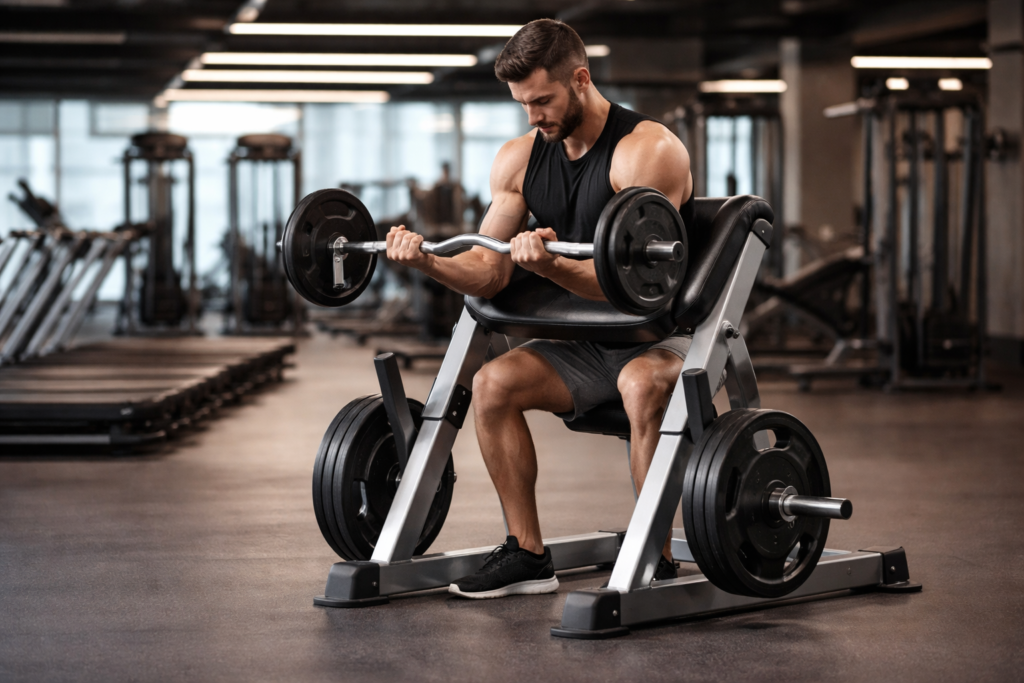
The preacher curl machine is one of the most effective workout machines for biceps because it isolates the muscles extremely well.
This machine uses an angled pad that supports your arms while you perform the curling motion. Because your upper arms stay fixed on the pad, it prevents swinging or using momentum.
How to use the preacher curl machine
Sit down and place your upper arms against the angled pad. Grip the handles with your palms facing upward and slowly curl the weight toward your shoulders. Lower the weight back down with control.
Focus on squeezing your biceps at the top of the movement before returning to the starting position.
Benefits
- Excellent muscle isolation
- Reduces cheating or swinging
- Helps build biceps peak
This machine is especially helpful for beginners who are learning proper curl technique.
Cable Curl Machine
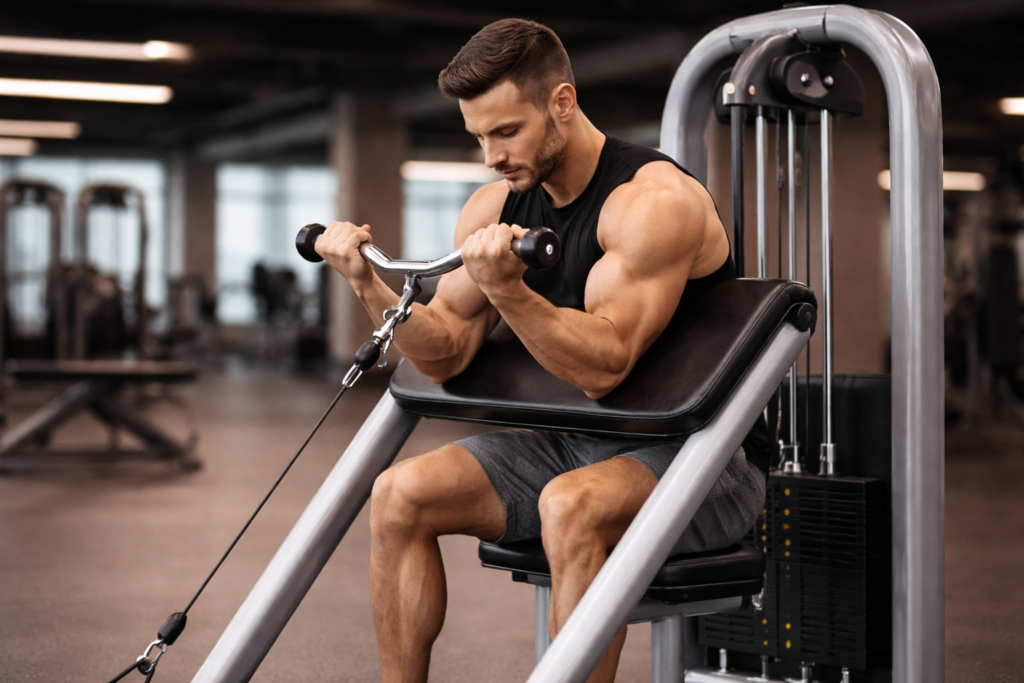
Cable machines are extremely versatile and allow constant tension on the muscles throughout the movement.
Unlike dumbbells, where tension can drop at certain points of the lift, cables keep the biceps engaged from start to finish.
How to perform cable curls
Connect a straight bar or EZ bar to the low pulley, then stand upright and grip the bar with your palms facing upward. Keep your elbows close to your body and curl the bar toward your chest.
Lower the bar slowly while keeping control of the movement.
Benefits
- Continuous muscle tension
- Adjustable resistance
- Multiple grip options
Cable curls are often included in arm routines alongside exercises like Chest and Tricep Workout programs to create a balanced upper-body routine.
Biceps Curl Machine
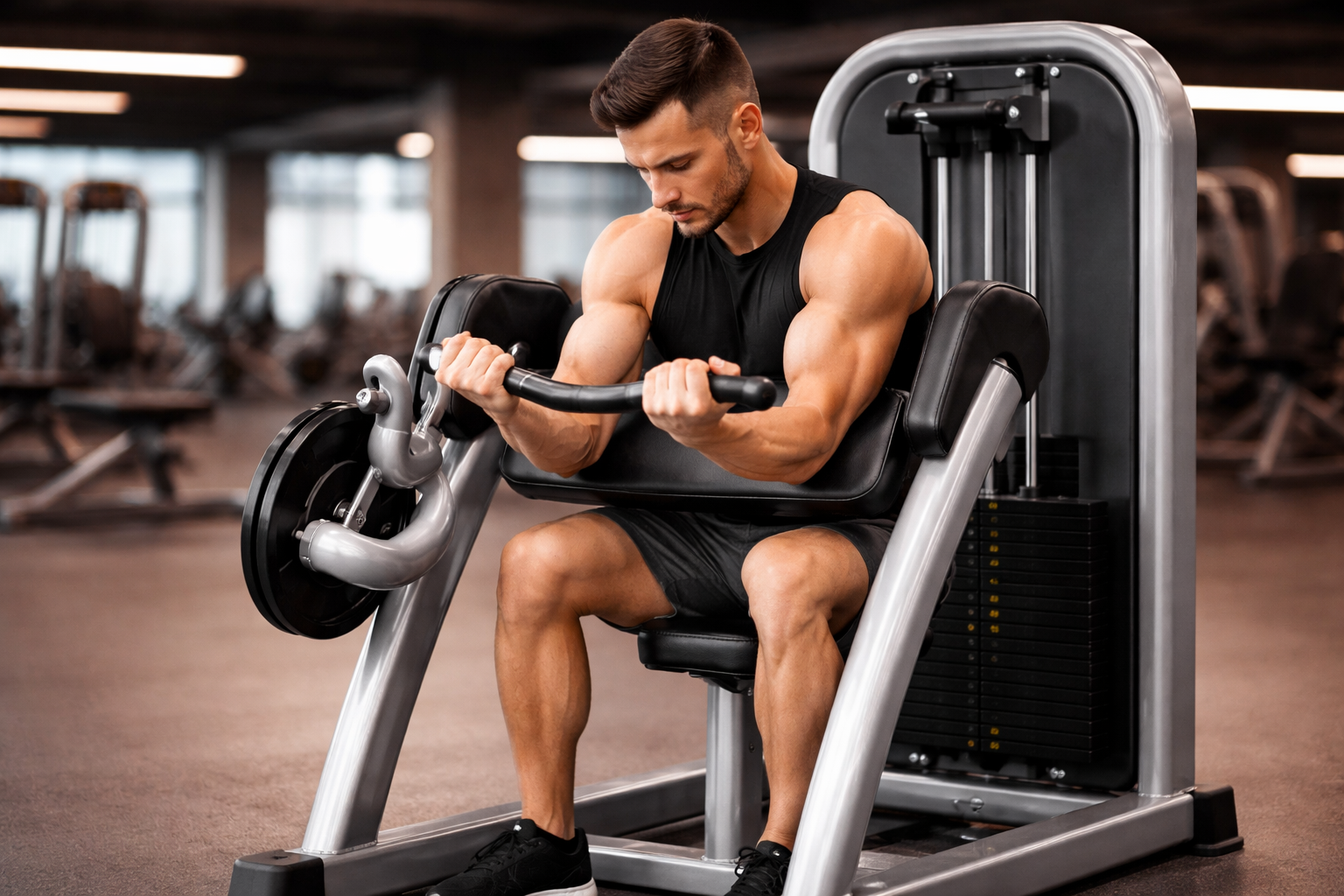
The seated biceps curl machine is another popular option for controlled arm training.
This machine usually has arm pads and handles that move along a guided track. Your arms remain in a fixed position while the machine allows you to curl the weight upward.
How to use it
Set the seat height so that your elbows line up with the machine’s pivot point. Grip the handles firmly and curl the weight upward while keeping your elbows stable.
Pause briefly at the top before lowering the weight slowly.
Benefits
- Very beginner friendly
- Stable and controlled motion
- Easy weight adjustments
Because the machine stabilizes your arms, it allows you to focus completely on the biceps contraction.
Hammer Strength Curl Machine
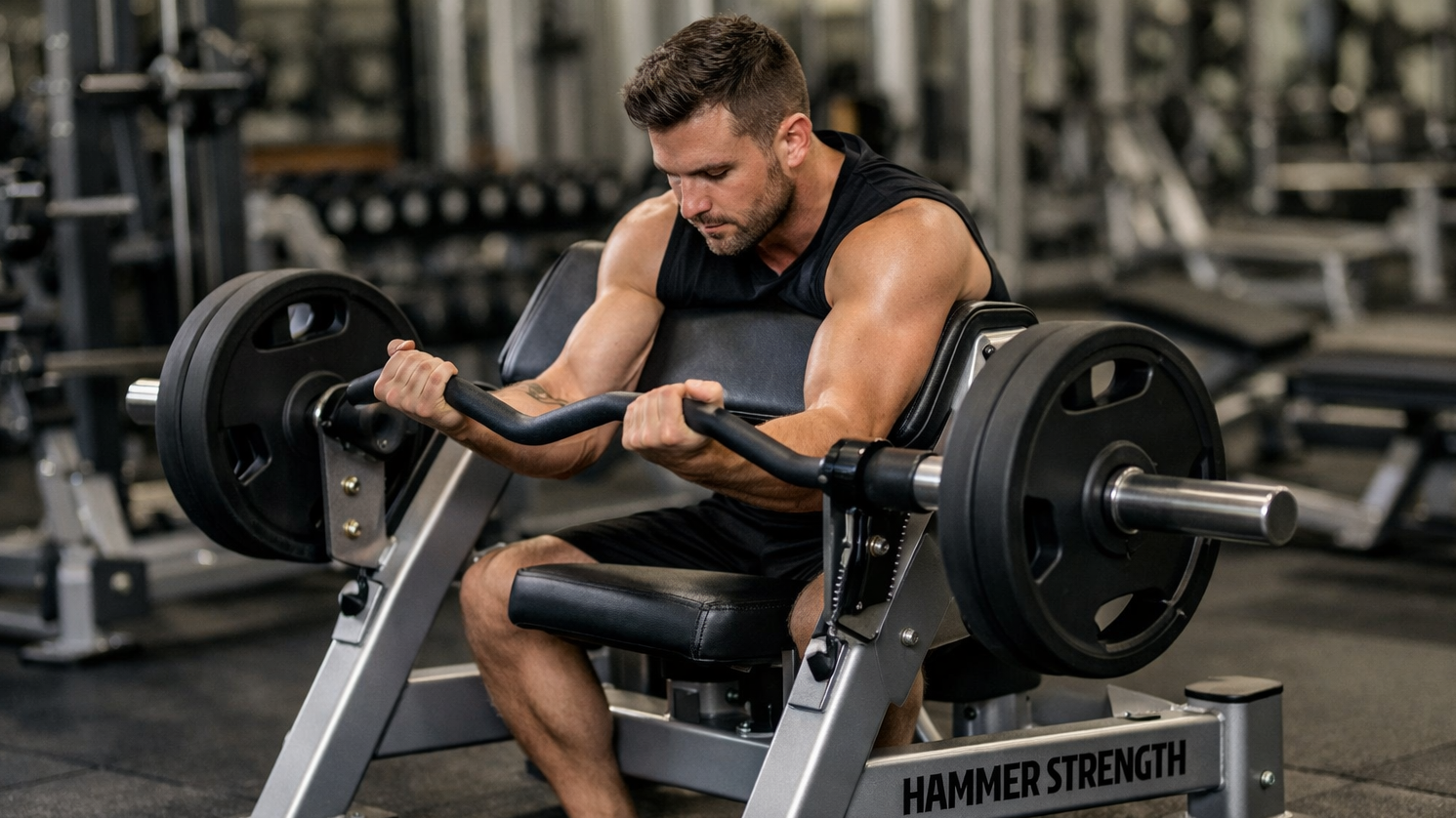
Hammer Strength machines use plate-loaded resistance rather than traditional weight stacks. This gives the movement a more natural feel compared to some fixed machines.
The hammer strength curl machine also allows each arm to work independently, which helps correct muscle imbalances.
How to perform the exercise
Sit down and place your arms on the pads. Load weight plates onto the machine and grip the handles.
Curl the handles upward until your biceps contract fully, then slowly return to the starting position.
Benefits
- Independent arm movement
- Natural lifting motion
- Good for progressive overload
This machine is often used by intermediate and advanced lifters who want heavier resistance.
Tips for Effective Biceps Machine Workouts
Using machines properly can make a big difference in your results. Here are some important training tips.
Focus on slow, controlled movements
Many people rush through curls using momentum. Instead, lift the weight slowly and lower it under control. This keeps tension on the biceps longer.
Adjust the machine correctly
Seat height and arm position matter. If the machine is not aligned with your elbow joint, the exercise may feel uncomfortable and less effective.
Avoid lifting too heavy
Using excessive weight can cause poor form and increase the risk of injury. Choose a weight that allows you to complete 10–12 clean repetitions.
Train with proper recovery
Muscle growth happens during recovery, not only while you are working out. Make sure you allow enough rest between sessions and support your training with proper nutrition, including supplements like Protein Powder for Weight Gain if you’re trying to increase muscle mass.
Sample Biceps Machine Workout
If you want a simple routine using machines, you can try this beginner-friendly plan.
- Preacher curl machine – 3 sets of 10–12 reps
- Cable curls – 3 sets of 10–12 reps
- Biceps curl machine – 3 sets of 12 reps
- Hammer strength curl machine – 3 sets of 8–10 reps
Rest for about 60–90 seconds between sets.
You can perform this workout once or twice per week depending on your training schedule.
If you use supplements before training, it’s helpful to understand How Long Do Pre-Workout Supplements Stay in Your System? so you can time them properly for maximum energy during your workout.
Common Mistakes When Using Biceps Machines
Even though machines are easier to use than free weights, mistakes can still happen.
One common issue is lifting the shoulders during curls. This shifts tension away from the biceps. Keep your shoulders relaxed and focus on bending the elbows only.
Another mistake is using partial range of motion. Always extend your arms fully at the bottom and contract the biceps completely at the top.
Lastly, avoid training biceps every day. Overtraining can slow muscle growth and increase fatigue.
Final Thoughts
Using workout machines for biceps is a great way to build stronger and more defined arms. Machines provide stability, controlled movement, and excellent muscle isolation, making them ideal for both beginners and experienced gym-goers.
Exercises like the preacher curl machine, cable curls, seated biceps curl machine, and hammer strength curls can help target the biceps from different angles and stimulate muscle growth.
For the best results, focus on proper form, controlled movements, and consistent training. Combine machine exercises with a balanced workout plan, good nutrition, and adequate recovery to maximize your progress.
With the right approach, a well-structured machine workout for biceps can help you develop stronger arms and improve your overall upper-body strength.
Frequently Asked Questions
Some of the best machines include the preacher curl machine, cable curl machine, seated biceps curl machine, and hammer strength curl machine, all designed to isolate the biceps effectively.
Yes, machines can help you build size and strength safely. However, combining machines with free weights can provide better overall muscle development.
A common approach is 3–4 sets of 8–12 reps per machine. Focus on controlled movements and proper form rather than lifting heavy weights.
Both have benefits. Cable curls maintain constant tension on the biceps, while preacher curl machines provide excellent isolation. Using both can maximize growth.
Training biceps 1–2 times per week is ideal. Muscles need recovery to grow, so avoid working the same muscles every day.