
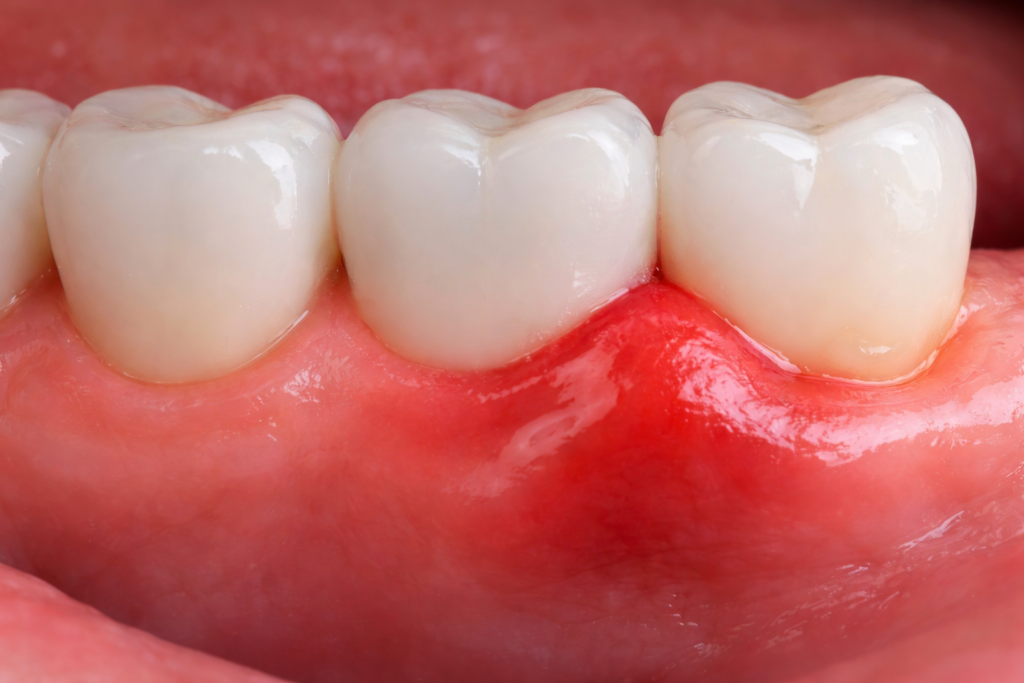
Swollen gums are a common oral health issue that many people experience at some point in their lives. While mild gum swelling may seem harmless, it is often a sign that something is wrong beneath the surface. Ignoring gum inflammation can lead to more serious dental problems, including infections, gum disease, and even tooth loss.
Understanding the causes of swollen gums, recognizing early symptoms, and taking timely action can help protect both your oral health and overall well-being.
What Are Swollen Gums?
Swollen gums occur when gum tissue becomes inflamed, puffy, or enlarged. Healthy gums are firm and pale pink, but inflamed gums may appear red, tender, shiny, or painful. In some cases, gum swelling may affect only one area, while in others it can spread throughout the mouth.
Gum inflammation is usually the body’s response to irritation, infection, or buildup of harmful bacteria along the gumline.
Common Causes of Gum Swelling
1. Plaque and Poor Oral Hygiene
The most common cause of swollen gums is plaque buildup. Plaque is a sticky film of bacteria that forms on teeth when oral hygiene is neglected. If not removed through brushing and flossing, plaque irritates the gums and leads to inflammation.
Over time, this can progress into gingivitis or more advanced periodontal disease.
2. Gingivitis and Gum Disease
Gingivitis is an early stage of gum disease characterized by redness, bleeding gum and swelling. At this stage, the condition is reversible with proper dental care. However, if left untreated, gingivitis can progress to periodontitis, which causes severe gum inflammation, gum recession, and bone damage.
3. Vitamin Deficiencies
A lack of essential nutrients—especially vitamin C—can cause gum swelling and bleeding. Vitamin C plays a key role in maintaining healthy connective tissues and supporting immune function. Deficiency may result in fragile gums that are more prone to inflammation and infection.
4. Hormonal Changes
Hormonal fluctuations during pregnancy, puberty, menstruation, or menopause can increase blood flow to gum tissues, making them more sensitive and susceptible to swelling. This condition, often called pregnancy gingivitis, usually improves with proper oral care.
5. Infections and Oral Conditions
Bacterial, viral, or fungal infections in the mouth can trigger gum swelling. Conditions such as oral herpes, abscesses, or fungal infections can cause localized gum inflammation and pain.
6. Ill-Fitting Dental Appliances
Poorly fitted dentures, braces, retainers, or crowns can rub against the gums, causing irritation and swelling. Continuous friction can damage gum tissue and increase the risk of infection.
Symptoms That Often Accompany Swollen Gums
Swollen gums rarely appear alone. Common symptoms include:
- Red or darkened gum tissue
- Bleeding during brushing or flossing
- Tenderness or pain in the gums
- Bad breath that doesn’t go away
- Gum sensitivity to hot or cold foods
- Receding gums or loose teeth in advanced cases
Recognizing these early signs allows you to address gum swelling before it becomes a serious dental issue.
How to Reduce Gum Inflammation Naturally
Maintain Proper Oral Hygiene
The foundation of gum care is daily oral hygiene. Brush your teeth twice a day using a soft-bristle toothbrush and fluoride toothpaste. Gently clean along the gumline without applying excessive pressure.
Floss once daily to remove plaque and food particles between teeth where brushing cannot reach.
Rinse With Salt Water
A warm saltwater rinse helps reduce bacteria, soothe inflamed tissues, and promote healing. Mix half a teaspoon of salt in a glass of warm water and rinse for 30 seconds once or twice a day.
Improve Your Diet
A balanced diet supports gum health. Include foods rich in vitamin C, calcium, and antioxidants such as citrus fruits, leafy greens, nuts, dairy products, and lean proteins. Staying hydrated also helps flush bacteria from the mouth.
Avoid Tobacco Products
Smoking and tobacco use significantly increase the risk of gum swelling and gum disease. Tobacco weakens the immune response and reduces blood flow to the gums, slowing healing and worsening inflammation.
Use a Gentle Antibacterial Mouthwash
An alcohol-free antibacterial mouthwash can help reduce plaque-causing bacteria without irritating sensitive gums. This can be especially helpful during periods of active gum inflammation.
When to See a Dentist
While mild gum swelling may improve with good oral care, persistent or painful gum inflammation should not be ignored. You should consult a dentist if:
- Gum swelling lasts more than a week
- You experience severe pain or pus
- Gums bleed frequently
- Teeth feel loose or sensitive
- Swelling is accompanied by fever
Early professional treatment can prevent complications and protect long-term oral health.
Preventing Swollen Gums Long Term
Preventing gum inflammation is far easier than treating advanced gum disease. Simple habits can make a lasting difference:
- Brush and floss consistently
- Schedule regular dental checkups and cleanings
- Replace your toothbrush every 3–4 months
- Avoid excessive sugar and processed foods
- Address dental problems early
By prioritizing gum care and dental health, you significantly reduce the risk of swollen gums and related complications.
Final Thoughts
Swollen gums are not just a cosmetic issue—they are often a warning sign of underlying oral health problems. From plaque buildup and gum disease to nutritional deficiencies and infections, there are many possible causes of gum swelling.
The good news is that with proper oral hygiene, a healthy diet, and timely dental care, gum inflammation can often be reversed or prevented. Paying attention to your gums today can protect your smile and overall health for years to come.