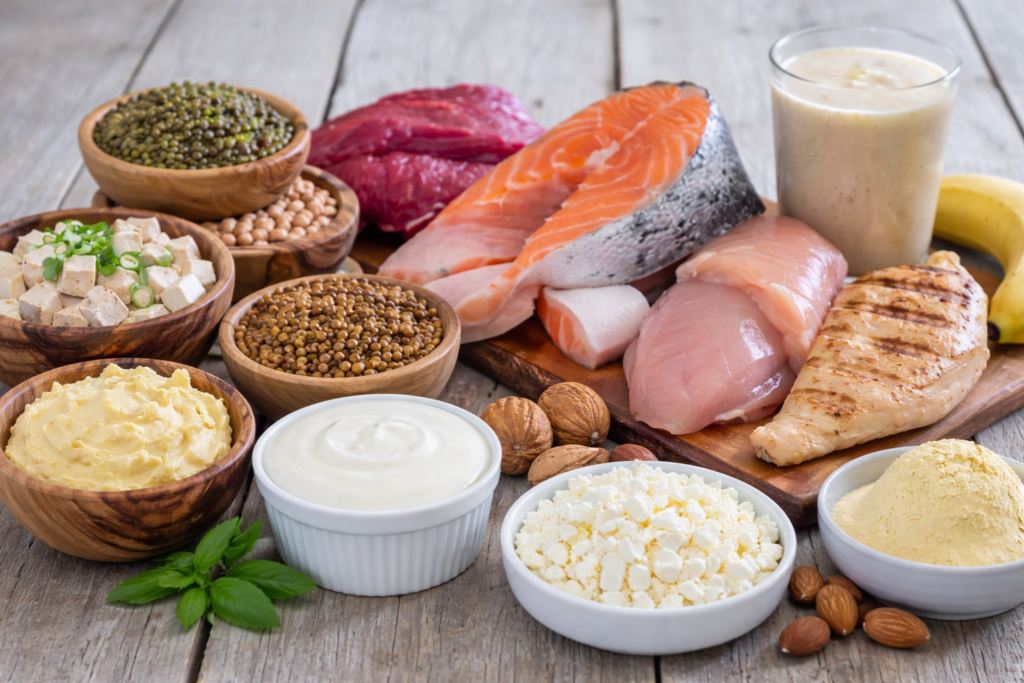
Recovering from oral surgery can make eating uncomfortable, especially during the first few days. Your mouth may feel sore, swollen, or sensitive, which means hard or chewy foods are not a good idea. However, your body still needs enough protein to heal properly. Protein helps repair tissues, supports your immune system, and helps reduce recovery time.
Choosing the right soft protein foods after oral surgery can make a big difference in how quickly you recover. Soft foods are easier to chew and swallow while still providing the nutrients your body needs. This guide explains the best soft protein foods to eat, why protein is important during recovery, and tips to make eating easier after dental procedures.
Why Protein Is Important After Oral Surgery
After oral surgery, your body begins repairing damaged tissues. Protein plays a major role in this healing process. It helps rebuild cells, repair gum tissue, and support your immune system so infections are less likely to occur.
Without enough protein, the healing process can slow down. You might also feel more tired or weak because your body does not have enough nutrients to recover properly.
Eating soft foods that contain protein allows you to maintain good nutrition while protecting the surgical area. Many people focus only on liquids or simple carbohydrates after surgery, but including protein is essential for faster recovery.
Maintaining a balanced diet during recovery also supports overall oral health, which is closely connected to maintaining healthy gums and strong teeth over time.
Eggs: A Soft and Protein-Rich Option
Eggs are one of the easiest and most nutritious foods you can eat after oral surgery. They are soft, easy to prepare, and packed with high-quality protein.
Scrambled eggs are usually the best option because they are fluffy and easy to chew. You can also eat soft-boiled eggs if they are cooked until the yolk is slightly creamy.
Eggs also contain vitamins such as vitamin D and B12, which support tissue repair and overall health. If your mouth feels very sensitive, you can mash the eggs slightly or mix them with a small amount of milk to make them even softer.
Because eggs are gentle on the mouth and highly nutritious, they are often recommended by dentists during recovery from dental procedures.
Greek Yogurt: Creamy and Full of Protein
Greek yogurt is another excellent soft protein food. It has a thick, creamy texture that makes it easy to swallow without chewing.
Compared with regular yogurt, Greek yogurt contains more protein, which makes it particularly helpful for healing. It also contains probiotics that support digestive health and may help maintain a balanced oral environment.
Plain Greek yogurt is usually the best choice because it has less sugar. If you want more flavor, you can mix in mashed banana or a little honey. Just avoid crunchy toppings like granola or nuts until your mouth has fully healed. If you’re tracking portions, it also helps to understand how many grams are in a cup of Greek yogurt, since serving sizes can vary slightly depending on thickness and brand.
Cold foods like yogurt may also help soothe discomfort and reduce swelling during the early days of recovery.
Cottage Cheese: Gentle on the Mouth
Cottage cheese is soft, mild in flavor, and rich in protein. It requires very little chewing, which makes it a comfortable option when your mouth feels sore.
One cup of cottage cheese can provide a large amount of protein, along with calcium that helps support strong teeth and bones. You can eat it plain or blend it slightly if you prefer a smoother texture.
Many people enjoy mixing cottage cheese with soft fruits like mashed avocado or bananas to create a nutritious and satisfying meal while also benefiting from the nutritional value of cottage cheese.
Because it is light yet filling, cottage cheese is often recommended for people recovering from dental procedures or gum treatments.
Smooth Protein Shakes
Protein shakes are one of the easiest ways to get enough protein when chewing is difficult. A simple shake can provide protein, vitamins, and calories in a form that is easy to drink.
You can make a homemade shake by blending milk, yogurt, and soft fruits such as bananas or berries. Adding a scoop of high-quality protein powder can increase the protein content and help support tissue repair during recovery.
When preparing shakes after oral surgery, avoid using straws if your dentist has advised against them, especially after tooth extraction. Drinking directly from a cup helps prevent complications like dry socket.
Protein shakes are also helpful if your appetite is low because they allow you to consume nutrients without needing to eat a large meal, which is one reason many people use protein shakes for weight loss as a convenient and filling option.
Soft Fish for Easy Digestion
Fish is an excellent source of protein and healthy fats. Certain types of fish become very soft when cooked, making them ideal for post-surgery meals.
Salmon, tuna, and tilapia are good choices because they are naturally tender and easy to chew. Baking or steaming fish keeps the texture soft and moist.
Fish also contains omega-3 fatty acids, which may help reduce inflammation and support overall healing. When preparing fish after oral surgery, avoid strong spices or crispy coatings that could irritate your mouth.
Eating soft fish a few days after surgery can help you return to normal meals while still protecting the surgical area.
Tofu: A Plant-Based Protein Source
Tofu is an excellent protein option for people who prefer plant-based foods. Its soft texture makes it easy to chew and swallow, especially when prepared properly.
Silken tofu is particularly smooth and can even be blended into soups or smoothies. Firm tofu can be lightly cooked and mashed to create a gentle meal that provides protein without requiring much chewing.
Tofu absorbs flavors well, so you can add mild seasonings or mix it into soft dishes like mashed vegetables or soups.
Because it is light and nutritious, tofu can be a helpful addition to a recovery diet.
Mashed Beans and Lentils
Beans and lentils are rich in protein and fiber. When cooked thoroughly and mashed, they become soft enough to eat comfortably after oral surgery.
Lentil soup, mashed chickpeas, or pureed black beans can provide both protein and energy during recovery. These foods are also rich in minerals like iron and magnesium, which support overall health.
If you prepare beans at home, cooking them until they are very soft will make them easier to eat. Adding a little olive oil or yogurt can also improve texture and flavor.
Plant-based proteins like beans can help maintain a balanced diet while your mouth heals.
Soft Dairy Foods That Provide Protein
Several dairy foods are naturally soft and rich in protein, making them ideal during oral surgery recovery.
Milk is one of the simplest options and can be consumed alone or added to smoothies. Soft cheeses like ricotta or cream cheese are also easy to eat and provide protein along with calcium.
Puddings and custards made with milk and eggs can also offer small amounts of protein while being very gentle on the mouth.
Including dairy foods in your recovery diet helps ensure that you receive enough nutrients to support healing and maintain strong teeth and gums.
Foods to Avoid After Oral Surgery
While focusing on soft protein foods is important, it is equally important to avoid foods that could irritate your mouth.
Hard or crunchy foods such as chips, nuts, and raw vegetables can disturb the surgical area. Sticky foods like caramel or chewing gum may also cause discomfort.
Spicy or acidic foods should be limited during the early stages of healing because they can irritate sensitive tissues.
Hot foods and beverages should also be avoided immediately after surgery, as they may increase swelling or bleeding.
Protecting your mouth during recovery helps prevent complications and supports long-term oral health, especially for people dealing with gum inflammation and sensitivity after dental procedures.
Tips for Eating Comfortably During Recovery
Eating after oral surgery can feel challenging, but a few simple tips can make the process easier.
Start with small portions and eat slowly. This allows you to monitor discomfort and avoid putting too much pressure on your mouth.
Choose lukewarm or cool foods instead of very hot meals. Cold foods may even help reduce swelling.
Drink plenty of water throughout the day to stay hydrated. Proper hydration supports healing and helps maintain oral health.
If your dentist recommends it, gently rinse your mouth with salt water after meals to keep the surgical area clean.
Taking care of your mouth during recovery can also help prevent complications such as gum tissue damage and recession, which sometimes occur when oral health problems are ignored.
Supporting Long-Term Oral Health After Surgery
Oral surgery recovery is a good opportunity to focus on better oral health habits. Once your mouth has healed, maintaining a balanced diet with enough protein, vitamins, and minerals will support strong teeth and gums.
Regular brushing, flossing, and dental checkups are also essential for preventing future problems. A healthy diet combined with proper oral hygiene can reduce the risk of gum disease, infections, and other dental concerns.
If you notice ongoing symptoms such as pain, swelling, or gum changes, it is important to consult your dentist. Addressing these issues early can prevent more serious complications.
Final Thoughts
Eating the right foods after oral surgery can make recovery smoother and more comfortable. Soft protein foods help your body repair tissues, strengthen the immune system, and regain energy during healing.
Options such as eggs, Greek yogurt, cottage cheese, protein shakes, soft fish, tofu, and mashed beans provide essential nutrients without irritating the surgical area. These foods are easy to eat while still supplying the protein your body needs.
By focusing on gentle, nutritious meals and avoiding hard or spicy foods, you can support faster healing and protect your oral health. Proper nutrition during recovery not only helps your mouth heal but also contributes to better long-term dental health.