
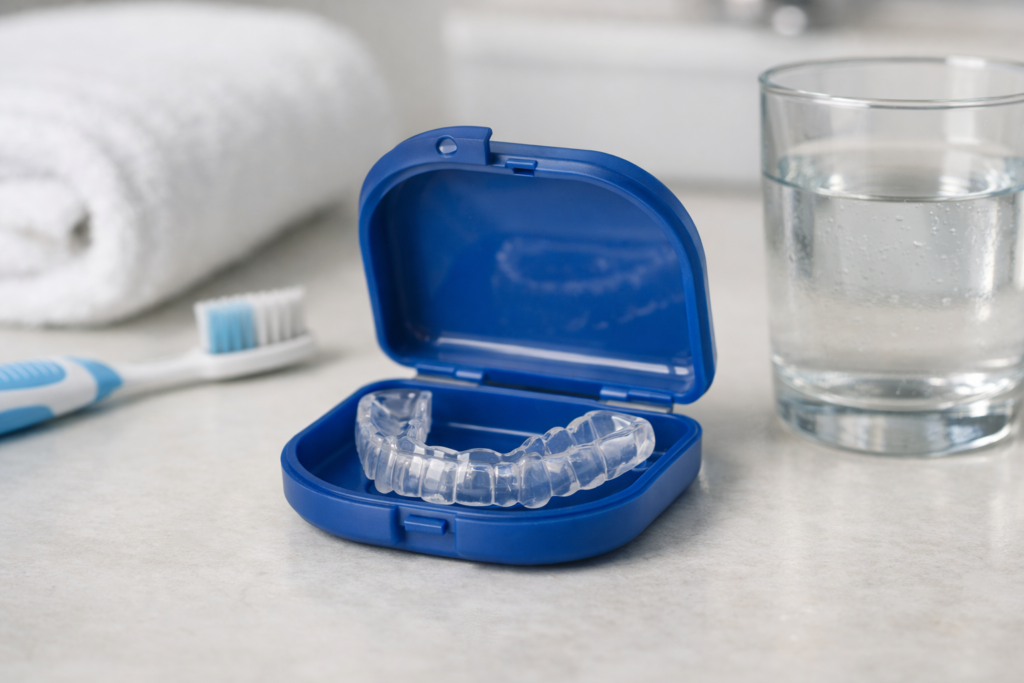
If you grind your teeth at night or clench your jaw during sleep, a night guard can seem like the perfect solution. But you might be wondering: is it safe to wear a night guard every night? Many people have this concern, especially when thinking about long-term dental health. In this article, we’ll explore everything you need to know—from benefits and risks to best practices, hygiene tips, and alternatives—so you can make an informed decision for your oral health.
Understanding Night Guards and Their Purpose
A night guard is a dental appliance that fits over your teeth while you sleep. It acts as a protective barrier between the upper and lower teeth, helping to prevent damage caused by:
- Bruxism (teeth grinding)
- Jaw clenching
- Stress-related dental problems
Many adults grind their teeth unconsciously during sleep. Over time, this can lead to chipped teeth, enamel wear, jaw pain, headaches, and even temporomandibular joint (TMJ) disorders. Additionally, the constant pressure from bruxism can irritate the gums and contribute to gum recession, where the gum tissue gradually pulls away from the teeth. Wearing a night guard nightly helps reduce these risks, protecting your teeth, jaw, and overall oral health. Proper care of your gums and awareness of ways to restore healthy gums can further prevent long-term damage.
Types of Night Guards
Night guards come in several forms, including:
- Soft Night Guards: Made of flexible material, ideal for mild teeth grinding.
- Hard Night Guards: Durable and suitable for moderate to severe grinding.
- Dual-Laminate Night Guards: A combination of soft and hard layers, offering comfort and durability.
Choosing the right type depends on the severity of your grinding and your dentist’s recommendation.
The Benefits of Wearing a Night Guard Every Night
Wearing a night guard consistently offers several advantages that go beyond simple teeth protection.
1. Prevents Dental Damage
Grinding your teeth can lead to enamel erosion, chipped teeth, and worn-down surfaces. A night guard provides a cushioning effect that absorbs the pressure, helping maintain your natural tooth structure.
Example: If you grind your teeth nightly, the enamel can wear down by up to 0.5 mm per year. A night guard can dramatically slow this process.
2. Reduces Jaw and Facial Pain
Night guards help relieve tension in the jaw muscles, reducing discomfort caused by clenching. Many users report fewer headaches and less soreness around the temples and jaw.
3. Supports Better Sleep
A relaxed jaw means fewer micro-awakenings caused by discomfort. Many people experience improved sleep quality and wake feeling more refreshed when using a night guard consistently.
4. Protects Dental Work
If you have crowns, veneers, or fillings, a night guard protects these dental investments from damage due to grinding or clenching.
Risks of Wearing a Night Guard Every Night
While night guards are generally safe, improper use or poor hygiene can cause problems.
1. Ill-Fitting Night Guards
A poorly fitting guard may:
- Cause bite misalignment
- Lead to tooth or gum discomfort
- Increase clenching due to irritation
Custom-fitted guards provided by a dentist are designed to avoid these issues, whereas generic store-bought guards may need trimming or adjustment.
2. Oral Hygiene Concerns
Wearing a night guard without cleaning it can promote bacterial buildup, leading to:
- Bad breath
- Gum irritation or infection
- Possible cavities if plaque accumulates
Cleaning your night guard daily with a soft brush and mild soap or denture cleaner is essential.
3. Tooth Shifting
Long-term use of an improperly designed guard could slightly move your teeth, especially if the guard is worn incorrectly or becomes deformed over time. Regular dental check-ups can prevent this.
4. Allergic Reactions
Some people may be allergic to the materials used in night guards, such as acrylic or latex. Signs of an allergic reaction include redness, itching, or swelling in the mouth.
How to Safely Wear a Night Guard Every Night
To ensure nightly use is safe and effective, follow these guidelines:
1. Choose the Right Night Guard
- Soft guards: Best for mild grinders.
- Hard or dual-laminate guards: Ideal for moderate to severe bruxism.
- Custom-fit: Provides the best protection and comfort.
2. Maintain Hygiene
- Rinse your guard every morning.
- Brush gently with a soft brush and mild soap.
- Occasionally soak in denture cleaner.
- Store in a ventilated case to prevent bacterial growth.
3. Monitor for Wear and Tear
Check your night guard regularly for signs of damage, such as cracks, thinning, or worn spots. Even minor wear can reduce its effectiveness and leave your teeth vulnerable. Also, pay attention to how it feels—if it starts to feel loose, shifts while you sleep, or causes discomfort, it may be time for a replacement. A well-maintained guard usually lasts between 1–5 years, depending on how often you use it and the type of material.
4. Visit Your Dentist Regularly
Routine dental check-ups are important even if your night guard seems fine. Your dentist can confirm that it fits correctly, isn’t affecting your bite, and isn’t causing gum or jaw issues. They can also spot early signs of teeth shifting or wear, and adjust or replace your guard as needed. Regular visits ensure your night guard remains safe and effective over the long term.
5. Avoid DIY Modifications
Trimming or reshaping your night guard at home may seem like a quick fix for discomfort, but it can lead to uneven pressure on your teeth, jaw pain, or a poor fit. Instead, consult your dentist if adjustments are needed. Professional modifications ensure your guard remains comfortable and continues to protect your teeth properly.
Night Guard Tips for Specific Concerns
For Sensitive Teeth
If your teeth are naturally sensitive, it’s best to choose a softer night guard material to prevent discomfort. A well-fitting guard helps avoid pressure points that can trigger pain, especially during long nights of use. Additionally, maintaining proper oral hygiene is essential to keep sensitive areas healthy—reducing plaque buildup can protect your enamel and prevent irritation.
For TMJ Disorders
For individuals with temporomandibular joint (TMJ) issues, a standard night guard may not be enough. Specially designed guards can redistribute bite forces, reducing strain on the jaw and easing tension. Using the right guard can also help prevent alignment issues that sometimes accompany TMJ problems. If you notice any changes in your bite or jaw discomfort, it may be worth exploring options that support better dental alignment.
For Children or Teenagers
Children and teenagers are still growing, so night guards may require periodic adjustments to ensure a proper fit. An ill-fitting guard can cause discomfort or even affect dental alignment. Always consult a dentist for sizing guidance, and keep an eye on jaw growth and tooth position. Maintaining healthy teeth habits alongside guard use helps prevent issues like misalignment and enamel wear or plaque buildup.
Complementary Strategies to Enhance Night Guard Effectiveness
While a night guard protects your teeth, combining it with other strategies can enhance results:
- Stress Management: Meditation, yoga, or deep breathing can reduce nighttime clenching.
- Jaw Exercises: Gentle stretching and massage relax jaw muscles.
- Healthy Sleep Habits: Maintaining a consistent sleep schedule and proper sleep environment supports overall oral health.
- Avoid Stimulants Before Bed: Reduce caffeine or alcohol, which can increase grinding frequency.
When to Seek Professional Advice
Consult your dentist immediately if you notice:
- Persistent jaw pain or headaches despite wearing a night guard
- Teeth shifting or loosening
- Gum swelling, redness, or soreness
- Difficulty closing your mouth comfortably
Professional evaluation ensures your night guard is beneficial and not causing harm.
Conclusion: Night Guards Can Be Safe Every Night
For most adults, wearing a night guard every night is safe and beneficial. It protects teeth from grinding, reduces jaw tension, and can improve sleep quality. The key is:
- Choosing a properly fitted night guard
- Maintaining strict hygiene
- Monitoring for wear and discomfort
- Regular dental check-ups
By following these steps, your night guard can serve as a long-term ally for healthy teeth and a comfortable jaw.
Frequently Asked Questions
Yes. Even occasional grinding can cause damage over time. You may not need nightly use, but occasional wear provides protection.
Depending on the material and intensity of grinding, a night guard lasts 1–5 years. Replace it if it becomes cracked, thin, or uncomfortable.
No. Night guards protect teeth, not whiten them. However, some custom guards can be used with whitening gel under dentist guidance.
Yes. Custom guards offer a perfect fit, comfort, and reduced risk of bite problems.
While not a cure, a properly fitted night guard can reduce strain on jaw joints, helping prevent or alleviate TMJ discomfort.