Many people assume that gaining weight is simply about eating more food. But in reality, gaining healthy weight — especially lean muscle — requires planning, balance, and proper nutrition. Random overeating often leads to unwanted fat gain, poor digestion, and low energy rather than real strength or muscle development.
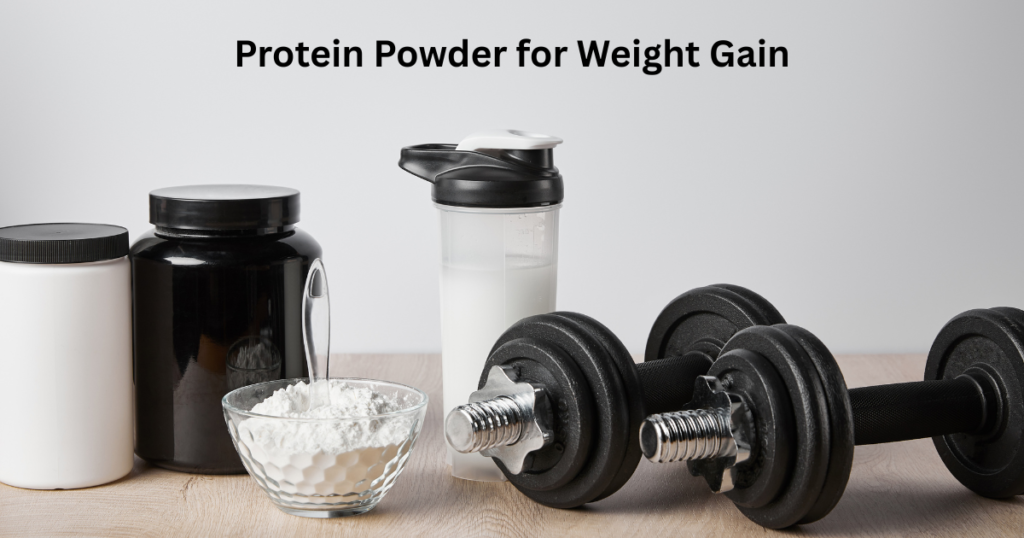
This is where protein powder for weight gain becomes useful. It’s not a magic solution, but it can be an effective nutritional tool that helps your body grow stronger, recover faster, and maintain balanced weight gain over time.
If you struggle with low appetite, busy routines, or difficulty meeting daily nutrition targets, protein supplementation can make the process easier and more structured. Understanding how it works — and how to use it correctly — can make a huge difference in your results.
Why Protein Intake Plays a Central Role in Healthy Weight Gain and Muscle Development
When people talk about gaining weight in a healthy way, they usually mean increasing lean muscle mass, not just adding body fat. Muscle tissue is built from amino acids, which come directly from protein.
Every time you exercise — especially strength training — your muscle fibers experience small amounts of stress. The body repairs those fibers using protein, making them stronger and slightly larger over time. Without enough protein, your body cannot rebuild muscle effectively, even if you consume plenty of calories.
Nutrition experts widely agree that adequate protein intake is essential for muscle growth. Organizations like the International Society of Sports Nutrition emphasize that higher protein intake supports muscle repair, performance, and body composition improvement when combined with resistance training.
So if your regular meals don’t provide enough protein — which is common for people with limited meal access, demanding work schedules, or low appetite — protein powder becomes a practical nutritional support.
How Protein Powder Supports Weight Gain by Improving Nutrition, Recovery, and Consistency
Protein powder doesn’t directly make you gain weight on its own. Instead, it supports the biological processes that allow your body to grow when combined with sufficient calories and physical activity.
First, protein shakes help increase daily calorie intake without making you feel overly full. Drinking calories is often easier than eating large portions of food, especially for people who struggle with appetite.
Second, protein supports muscle repair and growth. This means more of the weight you gain comes from lean tissue instead of fat.
Third, proper protein intake improves recovery after exercise. Faster recovery allows you to train more consistently, and consistency is the real driver of long-term weight gain.
Finally, high-quality protein supplements often provide essential amino acids and additional nutrients that support overall health. Balanced nutrition is critical for proper body development, as highlighted by global health organizations like the World Health Organization, which stresses the importance of adequate protein in maintaining healthy body composition.
Exploring Different Types of Protein Powder So You Can Choose What Fits Your Body and Goals
Not every protein supplement is designed for the same purpose. Choosing the best protein powder depends on your digestion, calorie needs, and weight gain strategy.
Whey protein is one of the most popular options because it digests quickly and supports muscle recovery after workouts. It works well for people aiming to gain lean mass without excessive calorie intake.
Casein protein digests slowly and releases amino acids gradually. Many people use it before sleeping to support overnight muscle repair.
Mass gainers are specifically formulated for weight gain. They contain protein plus large amounts of carbohydrates and calories. These are ideal for individuals who find it difficult to eat enough food during the day.
Plant-based proteins are made from sources like pea, rice, or soy. They are suitable for vegetarians, vegans, or people who cannot tolerate dairy. If you follow a plant-based diet, these vegan meal prep ideas can help you prepare balanced, high-protein meals throughout the week.
Choosing the right type depends on whether your main challenge is low protein intake, low calories, or both.

Understanding How Much Protein Your Body Actually Needs for Muscle Gain and Weight Progress
Protein requirements vary depending on body weight, physical activity, and training intensity. People trying to gain muscle typically need more protein than sedentary individuals.
A common recommendation for muscle growth ranges between 1.6 and 2.2 grams of protein per kilogram of body weight per day.
For example, if someone weighs 60 kilograms, their daily protein requirement may fall between 96 and 132 grams. If regular meals only provide part of that amount, protein powder can help fill the nutritional gap.
Meeting daily protein targets consistently is more important than occasional high intake.
Choosing the Right Time to Take Protein Powder So Your Body Can Use It Efficiently
While total daily intake matters most, certain times of day can enhance protein effectiveness.
After workouts is one of the most beneficial times because muscles are ready to repair and rebuild.
Between meals is helpful for increasing calorie intake without replacing regular food.
Before bed — especially with slow-digesting protein — supports muscle repair during sleep.
Morning protein intake can help people who skip breakfast or struggle to eat early.
Consistency across days and weeks matters more than perfect timing.
Turning Protein Shakes Into High-Calorie Muscle-Building Meals Instead of Basic Drinks
One of the biggest mistakes people make is mixing protein powder only with water. While this provides protein, it does not deliver enough calories for effective weight gain.
To support muscle growth and energy balance, you can transform a simple shake into a nutrient-dense meal by adding ingredients such as milk, peanut butter, oats, bananas, Greek yogurt, nuts, or natural sweeteners. Knowing how many grams are in a cup of Greek yogurt can also help you measure protein and calories more accurately.
Balanced meals throughout the day also play an important role in healthy weight gain. Protein-rich foods such as shrimp, turkey, and cheese can help increase your daily intake. If you track portions carefully, guides like how much protein is in one shrimp, how many slices of turkey is 2 oz, and how many slices are in a pound of cheese can make meal planning much easier
This approach increases calorie intake significantly while still keeping nutrition balanced. Instead of drinking a low-calorie supplement, you create a complete weight gain shake that supports real progress. However, if your goal is fat loss rather than gaining weight, you may want to explore protein shakes for weight loss and how they can help control calories while supporting muscle maintenance.
How to Identify the Best Protein Powder Without Wasting Money or Risking Poor Quality
The supplement market is large, and quality varies widely. Choosing carefully protects both your health and your investment.
Look for products that provide at least 20–25 grams of protein per serving. Check sugar content to avoid excessive fat gain. Choose brands that offer third-party testing for safety and purity.
Transparent ingredient lists are important. Avoid products with unnecessary fillers or artificial additives.
Supplement labeling standards are monitored in many countries by regulatory authorities such as the U.S. Food and Drug Administration, but quality differences still exist between brands, so independent research is always helpful.
Common Mistakes That Prevent People From Gaining Weight Even When Using Protein Supplements
Some people use protein powder regularly but still see little progress. This usually happens because of avoidable mistakes.
Replacing meals with protein shakes instead of adding extra calories can reduce total energy intake.
Skipping strength training prevents the body from converting extra nutrition into muscle.
Inconsistent use of supplements reduces long-term effectiveness.
Choosing low-calorie protein when high-calorie gainers are needed slows progress.
Ignoring total daily calorie intake is one of the most common problems. Weight gain always requires consuming more calories than the body burns.
Supporting Weight Gain Naturally Through Lifestyle Habits That Work Alongside Supplementation
Protein powder works best when combined with supportive daily habits.
Eating calorie-dense whole foods helps maintain energy balance. Strength training stimulates muscle growth. Proper hydration improves digestion and nutrient transport. Quality sleep allows the body to recover and rebuild tissue.
Tracking progress weekly helps identify whether adjustments are needed. Small, consistent improvements lead to long-term success.
Understanding Safety, Digestive Comfort, and Responsible Use of Protein Supplements
For most healthy adults, protein powder is safe when consumed in recommended amounts. However, excessive intake can cause digestive discomfort or unnecessary strain on the body.
People with existing kidney conditions or medical concerns should consult a healthcare professional before increasing protein intake significantly.
Choosing high-quality products and using moderate portions ensures safe and effective supplementation.
Who Can Benefit Most From Using Protein Powder as a Weight Gain Support Tool
Protein supplementation is especially helpful for individuals with limited appetite, demanding work schedules, or restricted access to balanced meals.
People who train regularly but struggle to gain muscle may benefit from consistent protein intake. Those recovering from illness, weakness, or nutritional deficiency may also find protein shakes useful for rebuilding strength.
Anyone who finds it difficult to meet protein requirements through food alone can use supplements as practical support.
Setting Realistic Expectations So You Can Build Muscle Gradually and Sustainably
Healthy weight gain takes time. Rapid increases often involve body fat rather than muscle tissue.
Beginners in strength training may gain approximately 0.25 to 0.5 kilograms per week when nutrition and exercise are consistent. Slow, steady progress is healthier and easier to maintain.
Patience and consistency are far more effective than extreme dieting or excessive supplementation.
Final Thoughts on Using Protein Powder for Weight Gain in a Balanced and Sustainable Way
Protein powder is not a shortcut — it is a supportive nutritional tool that helps you meet your body’s needs when regular food alone is not enough. When combined with proper training, balanced meals, and consistent habits, it can significantly improve muscle growth and healthy weight gain.
Choosing the best protein powder means understanding your calorie needs, digestion, and lifestyle. Focus on quality nutrition, regular exercise, and gradual progress. Over time, these small, consistent efforts lead to meaningful and lasting results.
Frequently Asked Questions
Yes, protein powder can help with weight gain when it is consumed along with a calorie surplus. By adding protein shakes to your daily diet, you increase both protein and total calorie intake, which supports muscle growth and healthy weight gain when combined with regular strength training.
Whey protein, casein protein, and mass gainer powders are commonly used for weight gain. Whey protein digests quickly and supports post-workout recovery, while casein provides a slow release of amino acids. Mass gainers contain additional carbohydrates and calories, making them suitable for people who struggle to eat enough food.
Most people only need 1–2 protein shakes per day to support weight gain. The exact amount depends on your daily calorie needs, activity level, and how much protein you already get from whole foods.
Drinking a protein shake after a workout is often recommended because muscles absorb nutrients more efficiently during recovery. However, protein shakes can also be used between meals to increase daily calorie intake.
It is possible to gain weight without exercise if you consume more calories than you burn. However, combining protein powder with strength training helps ensure that most of the weight gained comes from lean muscle rather than body fat.