
Most people brush their teeth every day, but many still struggle with plaque on teeth. It is one of the most common oral health concerns worldwide, yet many don’t fully understand what it is or why it keeps coming back. Plaque may look harmless at first, but if ignored, it can lead to serious dental problems such as cavities, gum disease, and tartar buildup.
Understanding how plaque forms, why it is harmful, and how to control it is essential for long-term oral health. With the right dental plaque prevention habits and consistent plaque removal techniques, you can protect your teeth and gums for years to come.
What Is Plaque on Teeth?
Plaque on teeth is a soft, sticky film made up of bacteria, food particles, and saliva. It forms naturally on teeth throughout the day, especially after eating or drinking sugary or starchy foods. Because plaque is colorless or pale yellow, it is often difficult to notice without close inspection.
When bacteria in plaque feed on sugars from food, they produce acids. These acids weaken tooth enamel and can eventually create small holes known as cavities. If plaque remains on teeth for too long, it hardens into tartar buildup, which cannot be removed by brushing alone.
How Plaque Forms in the Mouth
Plaque formation is a continuous process. Even after brushing, new plaque begins to develop within hours. The process usually follows these stages:
- Bacterial attachment
Natural bacteria in the mouth stick to the surface of teeth. - Food interaction
When you eat carbohydrates, especially sugar, bacteria feed on them. - Acid production
Bacteria release acids that weaken enamel and irritate gums. - Layer buildup
More bacteria attach, forming a thicker plaque layer. - Hardening into tartar
If not removed, plaque mineralizes and becomes tartar buildup.
This cycle repeats daily, which is why consistent oral hygiene is essential.
Why Plaque on Teeth Is a Serious Problem
Plaque may seem minor, but it is the root cause of many dental issues. Ignoring it can lead to both short-term discomfort and long-term oral damage.
Tooth decay
Acids from plaque weaken enamel, leading to cavities and sensitivity.
Gum inflammation
Plaque irritates gum tissue, causing redness, swelling, and bleeding. It can cause swollen gums and inflammation.
Tartar buildup
Once plaque hardens, it becomes tartar, which traps more bacteria.
Gum disease
Untreated plaque can lead to gingivitis and advanced periodontal disease.
Bad breath
Bacteria in plaque produce unpleasant odors that cause chronic bad breath.
Because plaque affects both teeth and gums, proper plaque removal is necessary for overall oral health.
Signs You May Have Excess Plaque on Teeth
Many people don’t realize they have plaque until problems appear. However, your mouth often gives early warning signs.
You may notice:
- A fuzzy or sticky feeling on teeth
- Yellowish film near the gumline
- Bleeding gums when brushing or flossing
- Persistent bad breath
- Tooth sensitivity
- Gum redness or swelling
If these symptoms appear regularly, your dental plaque prevention routine may need improvement.
The Difference Between Plaque and Tartar Buildup
People often confuse plaque with tartar buildup, but they are not the same.
Plaque is soft and can be removed with proper brushing and flossing.
Tartar forms when plaque hardens due to minerals in saliva. It becomes rough and firmly attached to teeth. Once tartar forms, only professional dental cleaning can remove it.
Preventing plaque is the best way to avoid tartar buildup and the complications that follow.
Who Is Most at Risk for Plaque Accumulation?
Anyone can develop plaque, but some factors increase the risk.
- Poor brushing or flossing habits
- Frequent consumption of sugary or sticky foods
- Dry mouth or low saliva production
- Smoking or tobacco use
- Crowded or misaligned teeth
- Skipping regular dental visits
Understanding your risk helps you take stronger preventive steps.
Daily Habits for Effective Dental Plaque Prevention
Preventing plaque is easier than treating its consequences. Consistency is the key to maintaining a clean and healthy mouth.
Brush twice daily
Use a soft-bristled toothbrush and fluoride toothpaste. Brush for at least two minutes, covering all surfaces of the teeth.
Floss every day
Flossing removes plaque from areas your toothbrush cannot reach, especially between teeth and under the gumline.
Rinse with mouthwash
Antibacterial mouthwash helps reduce bacteria and slow plaque formation.
Limit sugary snacks
Frequent sugar intake feeds plaque-causing bacteria.
Drink plenty of water
Drinking water helps rinse away leftover food particles and promotes healthy saliva flow.
Replace your toothbrush regularly
Worn bristles cannot clean teeth effectively. Replace every three months.
Simple daily care is the foundation of dental plaque prevention.
Professional Plaque Removal and Dental Cleaning
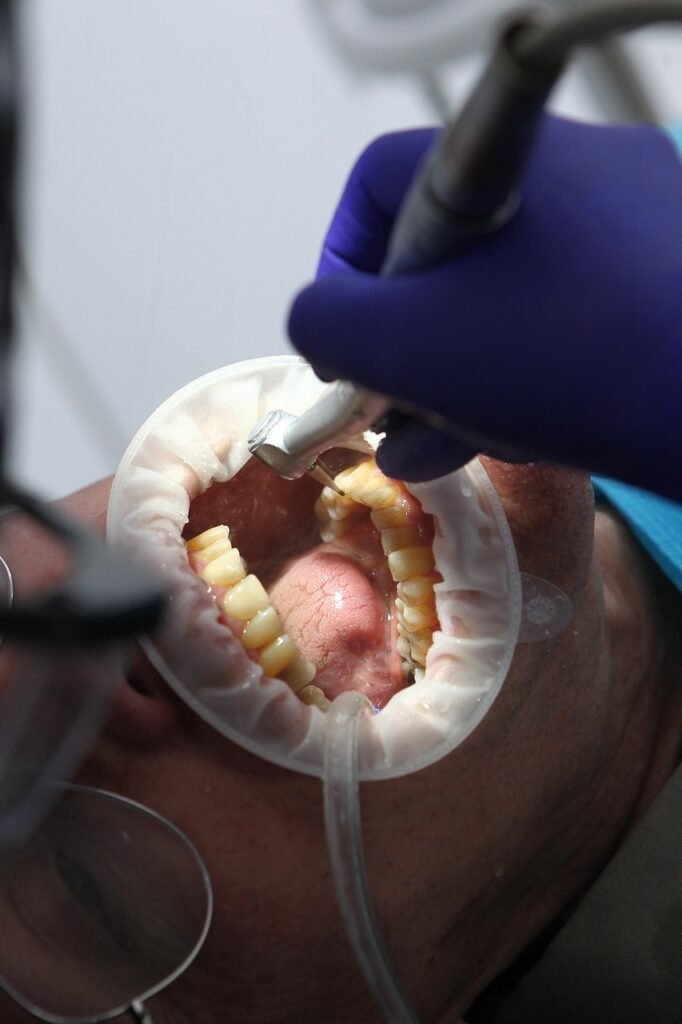
Even with excellent home care, some plaque may remain in hard-to-reach areas. Professional dental cleaning removes both plaque and tartar buildup safely.
Dentists use specialized tools to clean tooth surfaces, polish enamel, and check for early signs of decay or gum disease. Most experts recommend a dental checkup every six months, though some people may need more frequent visits.
Professional cleaning not only improves oral hygiene but also prevents serious complications before they develop.
Diet and Its Impact on Plaque Formation
Your eating habits play a major role in how much plaque forms on your teeth.
Foods that increase plaque risk:
- Sugary drinks and sweets
- Sticky snacks like caramel or dried fruit
- Refined carbohydrates such as white bread
- Frequent snacking throughout the day
Foods that support oral health:
- Crunchy fruits and vegetables
- Dairy products rich in calcium
- Foods high in fiber
- Sugar-free chewing gum
Choosing the right foods helps control plaque naturally while supporting stronger teeth.
Natural Ways to Support Plaque Control
While brushing and flossing are essential, some additional habits can support plaque removal.
Oil pulling with coconut oil may help reduce bacteria in the mouth. Chewing sugar-free gum stimulates saliva, which naturally cleans teeth. Maintaining proper hydration also supports saliva production, which is the mouth’s natural defense against plaque.
These methods should complement, not replace, standard oral hygiene practices.
Long-Term Benefits of Controlling Plaque on Teeth
Managing plaque on teeth does more than prevent cavities. It supports overall health and confidence.
Benefits include:
- Stronger enamel and fewer cavities
- Healthier gums
- Fresher breath
- Reduced risk of tooth loss
- Lower dental treatment costs
- A brighter and more confident smile
Consistent plaque control protects both appearance and long-term oral function.
When to See a Dentist
You should seek professional care if you notice:
- Bleeding gums that do not improve
- Persistent bad breath
- Tooth pain or sensitivity
- Visible tartar buildup
- Loose teeth
- Gum recession
Early treatment prevents minor issues from becoming serious dental problems.
Final Thoughts
Plaque on teeth is a normal part of daily life, but allowing it to accumulate can cause significant damage. The key is not eliminating plaque entirely, but controlling it through regular care and professional support.
By maintaining strong dental plaque prevention habits, practicing effective plaque removal, and scheduling regular dental cleaning, you can avoid tartar buildup and protect your oral health for years to come.
Healthy teeth and gums do not happen by chance. They are the result of consistent attention, smart habits, and a commitment to caring for your smile every day.