Wisdom teeth removal is a common dental procedure, but the recovery period often raises many questions about what foods are safe to eat. One of the most common concerns people have is whether comfort foods like mac and cheese are safe after surgery. Since the mouth is sensitive, swollen, and healing during the first few days, choosing the right foods is very important to avoid complications.
Mac and cheese is a soft and easy-to-eat meal, which makes many people wonder can I eat mac and cheese after wisdom teeth removal during the recovery period. The short answer is yes—but only under certain conditions. The texture, temperature, and timing after surgery all play a role in determining whether this dish is safe during recovery.
This article explains when you can safely eat mac and cheese after wisdom teeth removal, how to prepare it properly, and what precautions you should take to protect the healing area.
Understanding the First Days After Wisdom Teeth Removal
The first 24–72 hours after wisdom teeth extraction are the most critical for healing. During this time, blood clots form in the extraction sites. These clots protect the exposed bone and nerves while new tissue begins to grow.
If these clots are disturbed, it can lead to a painful condition called dry socket. That’s why dentists recommend eating only soft foods that require minimal chewing and do not irritate the surgical area.
Your diet during this stage should focus on foods that are:
- Soft and smooth
- Easy to swallow
- Not too hot or spicy
- Low in crumbs or hard particles
Foods like yogurt, mashed potatoes, smoothies, and soup are usually recommended in the early recovery stage. These options allow your mouth to rest while still providing essential nutrients.
If you want to learn more about other suitable recovery meals, you may find Soft Protein Foods After Oral Surgery helpful for planning a balanced diet during healing.
Can You Eat Mac and Cheese After Wisdom Teeth Removal?
Yes, mac and cheese can be eaten after wisdom teeth removal, but timing matters. Most dentists recommend waiting at least 2 to 3 days before introducing pasta-based foods.
During the first day after surgery, your mouth will likely be numb, swollen, and sensitive. Eating pasta too early may require chewing, which could disturb the healing area.
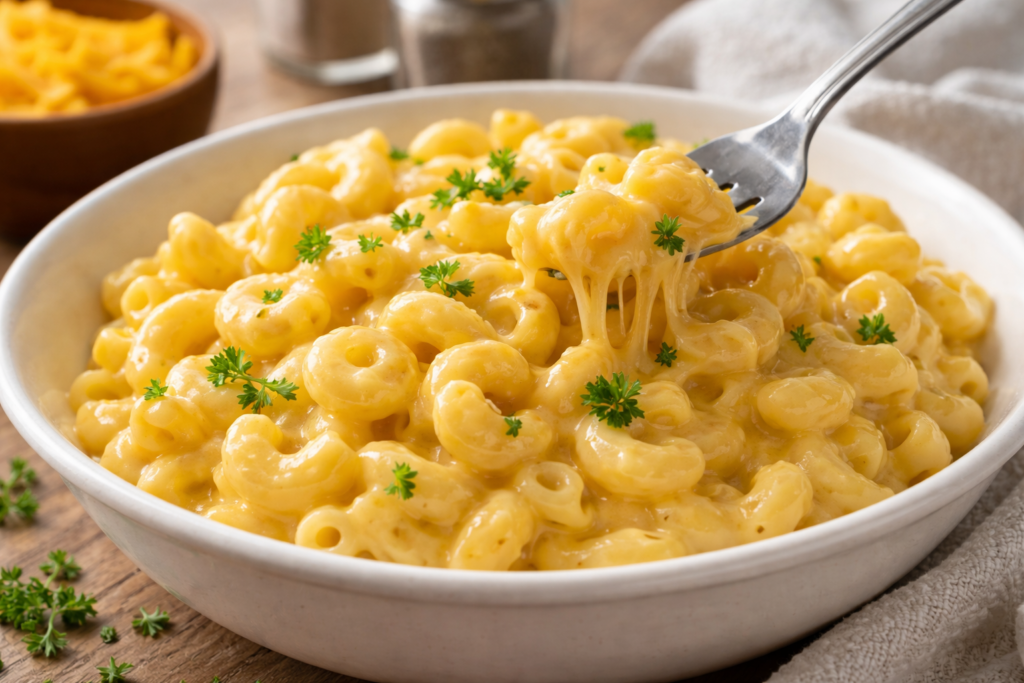
However, after the initial recovery period, soft macaroni mixed with creamy cheese sauce can be a good option because:
- The pasta becomes soft when fully cooked
- The cheese sauce adds moisture, making swallowing easier
- It provides carbohydrates and some protein for energy
The key is to ensure that the macaroni is extremely soft and easy to chew. Overcooked pasta is usually safer during recovery because it requires minimal jaw movement.
The Best Time to Introduce Mac and Cheese After Wisdom Teeth Removal
The exact timing varies depending on how your recovery is progressing. In general, the timeline looks something like this:
Day 1:
Stick to liquids and very soft foods such as smoothies, bone broth, and yogurt.
Day 2–3:
You can begin eating soft foods like mashed potatoes, scrambled eggs, and oatmeal.
Day 3–4:
If swelling has reduced and chewing feels comfortable, you can slowly introduce soft pasta like mac and cheese.
Everyone heals at a different pace, so it is important to listen to your body. If chewing causes pain or pressure around the extraction sites, it is better to return to softer foods for another day or two.
Understanding the overall healing process can also help you plan your recovery timeline. Many people also ask questions like When Do Wisdom Teeth Come In? Does Everyone Have Wisdom Teeth?, since these late-growing molars often lead to extraction procedures.
How to Make Mac and Cheese Safer for Recovery
While mac and cheese can be a good recovery food, it should be prepared in a way that protects the healing gums.
Here are a few helpful tips.
Cook the Pasta Very Soft
Pasta should be cooked longer than usual so that it becomes extremely soft. Firm or undercooked macaroni can require chewing, which may irritate the surgical area.
Keep the Sauce Creamy
A smooth and creamy cheese sauce helps lubricate the pasta and makes swallowing easier. Avoid recipes with crunchy toppings like breadcrumbs or baked crusts.
Avoid Hot Temperatures
Hot foods can dissolve the protective blood clot or irritate the surgical site. Allow the mac and cheese to cool until it is warm or at room temperature before eating.
Eat Small Bites
Take small bites and chew slowly using the side of your mouth that feels more comfortable. This reduces pressure near the extraction sites.
Rinse Gently After Eating
After finishing your meal, gently rinse your mouth with salt water to remove any leftover food particles. This helps keep the surgical area clean and reduces the risk of infection.
Foods to Avoid While Eating Mac and Cheese after wisdom teeth removal
Even if mac and cheese itself is soft, certain ingredients or additions can make it risky during recovery.
Avoid mixing it with foods such as:
- Crispy bacon pieces
- Crunchy breadcrumbs
- Spicy peppers
- Hard vegetables
- Tough meats
These ingredients can become trapped near the extraction sites and cause irritation or infection.
Keeping meals simple during the healing period is the safest approach.
Signs You May Not Be Ready for Pasta Yet
Sometimes the mouth may still be too sensitive for pasta even after a few days. If you notice any of the following signs, it may be best to wait a little longer before eating mac and cheese.
Common signs include:
- Persistent swelling
- Pain while chewing
- Bleeding around the extraction site
- Food getting stuck in the socket
In these situations, switching back to softer foods like yogurt or mashed potatoes can help prevent complications.
If you notice ongoing bleeding or gum irritation, learning more about How to Stop Bleeding Gums may also help you manage oral health during recovery.
Other Soft Foods You Can Eat During Recovery
Mac and cheese is just one option among many soft foods suitable for the recovery period. A varied diet helps your body receive enough nutrients to support healing.
Some other good choices include:
- Mashed potatoes
- Scrambled eggs
- Cottage cheese
- Smooth soups
- Greek yogurt
- Applesauce
- Oatmeal
Protein-rich foods are especially important because they help repair tissues and reduce healing time.
Soft fish, tofu, and blended soups can also provide protein without requiring excessive chewing.
When You Can Return to Normal Eating
Most people can return to their regular diet within 7 to 10 days after wisdom teeth removal, although this depends on the complexity of the surgery.
As swelling and tenderness improve, you can gradually add firmer foods back into your meals. However, it is best to avoid extremely crunchy or sticky foods until the extraction sites have fully healed.
During recovery, many people also wonder about returning to exercise. Physical activity can increase blood pressure and potentially cause bleeding in the early stages. If you’re planning your routine, it’s helpful to understand after wisdom teeth removal how long until i can workout so you don’t interfere with the healing process.
Tips for Faster Healing After Wisdom Teeth Surgery
Food choices are only one part of the recovery process. Following proper aftercare can significantly improve healing and reduce discomfort.
Here are some important tips:
- Drink plenty of water to stay hydrated
- Avoid using straws during the first few days
- Rest and avoid intense physical activity
- Follow your dentist’s medication instructions
- Maintain gentle oral hygiene
Brushing your teeth carefully while avoiding the surgical sites can help keep bacteria levels low.
Saltwater rinses are also commonly recommended starting 24 hours after surgery to promote healing and reduce swelling.
Final Thoughts
Mac and cheese can be a safe and comforting meal after wisdom teeth removal, but timing and preparation are important. Most people can start eating soft pasta about three days after surgery, as long as it is well-cooked, creamy, and not too hot.
Eating slowly, avoiding crunchy additions, and keeping the extraction sites clean will help ensure a smooth recovery. If pain or swelling continues, it’s always best to wait longer before introducing foods that require chewing.
By choosing gentle foods and following proper aftercare instructions, you can support faster healing and return to your normal diet with fewer complications.
Frequently Asked Questions
It is usually not recommended to eat mac and cheese on the first day after wisdom teeth removal. During the first 24 hours, dentists suggest sticking to liquids and very soft foods like yogurt, smoothies, or broth to protect the blood clot and reduce irritation.
Most people can start eating soft pasta about 3 to 4 days after the procedure. The pasta should be very soft and easy to chew, and you should avoid hot temperatures or crunchy toppings.
Yes, mac and cheese is generally considered a soft food if the pasta is fully cooked and the cheese sauce is smooth. This makes it easier to chew and swallow without putting too much pressure on the healing gums.
Mac and cheese itself does not cause dry socket, but eating foods that require too much chewing or are very hot may disturb the blood clot. Eating slowly and choosing soft textures can help reduce the risk.
During the early recovery stage, foods like mashed potatoes, yogurt, scrambled eggs, smoothies, applesauce, and soft soups are often better choices because they require little or no chewing.
Most people can return to their normal diet within 7 to 10 days after surgery, depending on how quickly the gums heal. It is best to gradually introduce firmer foods and follow your dentist’s advice.