
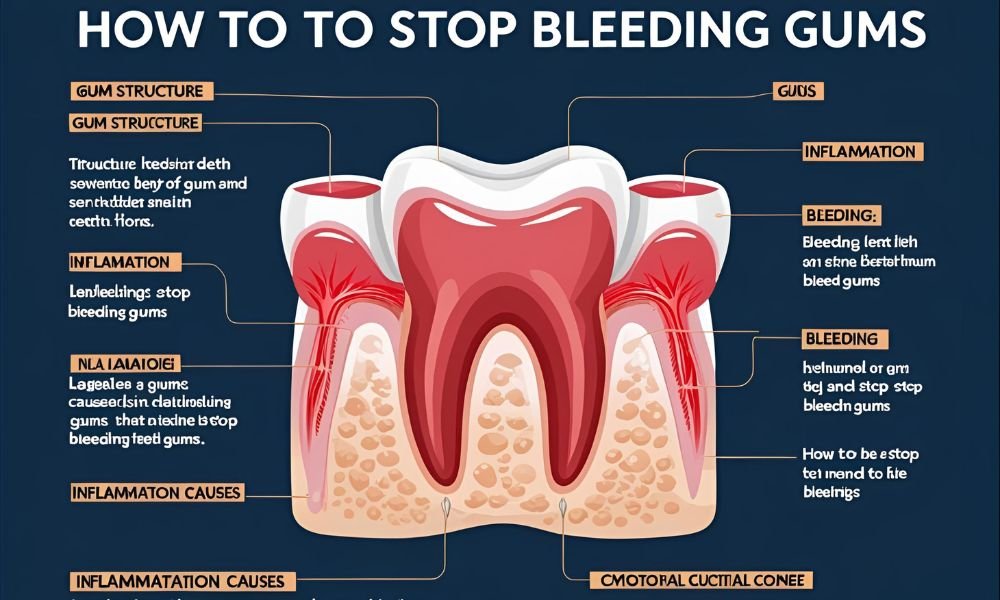
Gum bleeding is a frequent and often concerning problem, but it shouldn’t be disregarded. A tiny amount of bleeding can seem like a minor annoyance, but recurrent bleeding could be a sign of something more severe. Maintaining excellent dental health requires knowing why gums bleed and how to stop it. Taking the appropriate action to treat bleeding gums can not only protect your gums but also enhance your general health, regardless of whether the bleeding is brought on by poor brushing habits, gum disease, or more severe medical concerns.
Gum bleeding often manifests as soreness, edema, and irritation. Gingivitis, an early stage of gum disease, is the most frequent cause of bleeding gums. Plaque accumulation on the teeth and gums causes inflammation, which results in this ailment. However, there are further factors as well, such as hormonal fluctuations, vitamin shortages, or even just using the incorrect toothbrush.
In addition to discussing the best short- and long-term solutions, this article will explain the reasons behind bleeding gums. Additionally, it will provide guidance on preventative actions that might support gum health and avoid additional issues.
What Causes Bleeding Gums?
Gum bleeding may be caused by a number of things, from underlying medical issues to poor dental hygiene practices. To properly treat your bleeding gums, it’s essential to identify the underlying reason.
Gum Disease (Gingivitis and Periodontitis)
Gingivitis, a minor type of gum disease caused by plaque accumulation along the gum line, is the most frequent cause of bleeding gums. When brushing or flossing, gingivitis usually results in bleeding gums, which is often accompanied by swelling and redness.
Poor Oral Hygiene
Plaque buildup from improper brushing and flossing may cause gum discomfort and bleeding. Gum disease may be exacerbated by poor oral hygiene over time, making it more difficult to halt the bleeding without medical assistance.
Vitamin Deficiencies
Gum bleeding may result from a deficiency in several vitamins, particularly vitamin C, which is essential for healthy gums. This illness, known as scurvy, is brought on by a chronic lack of vitamin C. Scurvy may cause the gums to swell, become purple, and bleed profusely in extreme instances.
Hormonal Changes
Gums may become more sensitive and more likely to bleed as a result of hormonal changes brought on by pregnancy, menstruation, or menopause. This is especially prevalent during pregnancy, when hormonal changes and increased blood flow may irritate the gums.
Medications
Gum bleeding is more likely to occur while using certain drugs, such as blood thinners. These drugs prevent blood coagulation, which increases the risk of bleeding from even a little irritation of your gums.
Other Medical Conditions
Gum bleeding may result from conditions that impact gum health, such as diabetes, blood problems, and leukemia. Uncontrolled diabetes, for instance, may impair immunological function, which makes it more difficult for the body to fend against infections, including gum disease.
How to Stop Bleeding Gums: Immediate Steps
If you notice your gums are bleeding, it’s important to take immediate action to stop the bleeding and prevent further damage. Here are a few steps you can take:
Rinse with Saltwater
Simply dissolve half a teaspoon of salt in warm water and swish it around your mouth for about 30 seconds. This rinse helps to clean the area, soothe the gums, and prevent further bleeding.
Cold Compress
Applying a cold compress to your face near the affected gum area can help reduce swelling and constrict blood vessels, which may help stop the bleeding. Use a clean cloth with some ice wrapped inside and hold it against your face for 10–15 minutes.
Gently Brush Your Teeth
While it may seem counterintuitive, gently brushing your teeth with a soft-bristle toothbrush can help stop bleeding gums. Brushing with too much force can exacerbate the bleeding, but using gentle strokes will help remove plaque without further irritating the gums.
Use Antiseptic Mouthwash
An antiseptic mouthwash can help kill bacteria that contribute to gum disease and inflammation. Look for a mouthwash with ingredients like chlorhexidine or cetylpyridinium chloride, which are known to promote gum health.
Avoid Spicy and Acidic Foods
After experiencing bleeding gums, avoid consuming spicy, acidic, or hot foods that can further irritate the gums. Stick to soft, cool foods like yogurt or mashed potatoes until the bleeding has stopped.
Brushing and Flossing Techniques to Prevent Bleeding Gums
Proper oral hygiene is key to preventing bleeding gums. Here are some effective brushing and flossing techniques to incorporate into your daily routine:
Choose a Soft-Bristled Toothbrush
Avoid hard-bristled brushes that can cause irritation and lead to bleeding. Additionally, ensure that you replace your toothbrush regularly (every 3 months) to maintain its effectiveness.
Brush Twice a Day
Brush your teeth gently twice a day, focusing on the gum line where plaque buildup tends to accumulate. Take your time and use small, circular motions to ensure a thorough cleaning without causing harm to your gums.
Floss Daily
Flossing is essential for maintaining gum health. Floss at least once a day to remove plaque and food particles from between your teeth that your toothbrush can’t reach. Be gentle while flossing, as harsh movements can cause bleeding.
Diet and Lifestyle Changes for Healthier Gums
Your diet plays an essential role in the health of your gums. Certain nutrients are necessary for gum healing, while others can contribute to gum problems.
Increase Vitamin C Intake
Vitamin C is crucial for gum health and can help stop bleeding gums. Foods rich in vitamin C, like citrus fruits, strawberries, and bell peppers, can aid in gum repair and reduce inflammation.
Avoid Sugary Foods
Sugary foods can feed harmful bacteria in your mouth, contributing to plaque buildup and gum disease. Opt for a diet rich in fruits, vegetables, and whole grains to support healthy gums.
Choosing the right foods matters for gum health. You can also explore healthy low-carb side dishes that support better overall nutrition.
Stay Hydrated
Staying hydrated also promotes the production of saliva, which is vital for neutralizing acids and maintaining gum health.
Quit Smoking
Smoking is a major risk factor for gum disease, as it weakens your immune system and makes it harder for your body to fight infections. If you smoke, quitting can significantly improve the health of your gums and stop further bleeding.
When to Seek Professional Help for Bleeding Gums
While at-home remedies and proper oral hygiene can often address mild cases of bleeding gums, persistent bleeding requires professional attention. If you continue to experience bleeding gums, consider consulting a dentist. They can assess your oral health, identify any underlying conditions, and provide professional treatment, such as:
Deep Cleaning (Scaling and Root Planing)
If plaque and tartar buildup are the cause of your bleeding gums, your dentist may perform a deep cleaning procedure to remove these deposits and reduce inflammation.
Prescription Treatments
If gum disease is diagnosed, your dentist may prescribe medication or a special mouthwash to treat the infection and promote gum healing.
Medical Referrals
If the bleeding is related to a systemic condition like diabetes or a blood disorder, your dentist may refer you to a medical professional for further evaluation.
Conclusion: Maintaining Healthy Gums
Bleeding gums should never be ignored, as they are often a sign of an underlying issue that requires attention. By practicing good oral hygiene, eating a healthy diet, and addressing any potential underlying conditions, you can prevent and stop bleeding gums. Regular dental checkups and proper self-care can keep your gums healthy and your smile bright. If bleeding persists, seek professional help to avoid more serious complications and maintain your overall oral health.