
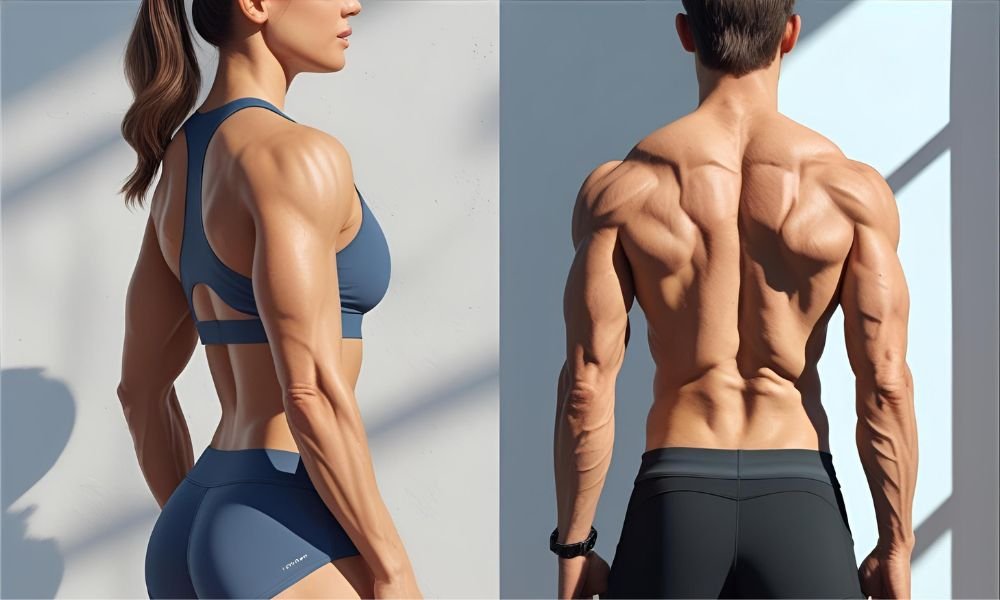
When it comes to losing body fat generally, back fat is one of the most difficult places to target. It often shows up as muffin tops or love handles and may build up in the sides, lower back, and upper back. Both men and women are impacted by this widespread issue, which has an effect on confidence and self-worth. It takes a mix of appropriate exercise, a mindful diet, and lifestyle changes to understand how to lose back fat. Although it is not possible to lose fat in just one place, a well-rounded strategy will help you attain a toned and slimmer back.
Like any other kind of fat, back fat is best treated with a steady, well-rounded strategy. You may enhance your overall physique and lessen the look of back fat by adopting a few lifestyle adjustments, eating healthy food, and doing the appropriate workouts. This article examines the main methods for losing back fat and provides helpful advice and insights to help you along the way.
What Causes Back Fat?
Developing a successful strategy to deal with the problem requires an understanding of these reasons.
The Role of Genetics in Back Fat Development
Where and how your body accumulates fat is largely determined by your genetic makeup. Due to a genetic tendency, certain people are more likely to store fat in the back region, particularly in the upper and lower back. Knowing your body type might help you concentrate on tactics that suit your body type, even when you have no influence over your genetic makeup.
How Poor Posture Contributes to Back Fat Accumulation
Your body’s distribution of fat might be affected by your posture. Muscle weakness brought on by slouching or bad posture increases the risk of fat storage and ineffective metabolism. Muscles are strengthened, and fat is more evenly distributed throughout the body when posture is improved.
Hormonal Imbalances and Their Impact on Back Fat
Back fat may rise as a result of an imbalance, particularly one brought on by stress or bad lifestyle choices. You may use food and exercise to target certain regions if you are aware of these hormonal impacts.
The Influence of Sedentary Lifestyle on Back Fat
Sedentary lifestyles, which include prolonged sitting and inactivity, may greatly increase the amount of fat that accumulates in the back. The secret to burning calories and controlling fat deposits is regular activity.
Dietary Habits That Promote Back Fat
Weight gain and the buildup of fat, notably in the back, may result from consuming a diet heavy in processed foods, refined carbohydrates, and unhealthy fats. On the other hand, eating nutrient-dense, complete meals may help you lose extra fat without sacrificing muscle mass.
Identifying the Different Types of Back Fat
Back fat may take many distinct forms, and each one needs a different strategy to be effectively removed. Understanding these shapes can help you focus on the right workouts and lifestyle adjustments.
Upper Back Fat: Causes and Solutions
For women, upper back fat often accumulates around the bra line or in the space between the shoulder blades. This problem may be made worse by bad posture and insufficient upper-body strength exercise. Effective remedies include focused workouts that improve posture and build stronger upper back muscles.
Lower Back Fat: Understanding the Challenge
Usually found just above the hips, lower back fat often gives the illusion of love handles. It is very difficult to treat and may need a mix of strength training, cardiovascular activity, and nutritional adjustments.
Love Handles and Side Fat: How They Relate to Back Fat
Fat deposits from the sides of your abdomen and lower back often combine to form love handles. A combination of aerobic and core workouts are used to target this region in order to lower body fat levels overall.
How to Get Rid of Back Fat: Exercise Solutions
Exercise is the most effective way to reduce back fat and improve muscle tone. A balanced approach, involving both cardio and strength training, is necessary for optimal results.
The Best Cardio Workouts for Reducing Back Fat
Cardiovascular exercises are essential for burning calories and fat, including back fat. Activities like running, cycling, swimming, and brisk walking can significantly reduce overall body fat, including the fat in your back. Consistency is key to seeing results.
Strength Training: Building Muscle to Burn Back Fat
Building muscle is a powerful way to increase your metabolic rate and burn fat more efficiently. Incorporating strength training exercises that focus on the back and entire body, such as deadlifts, rows, and squats, can help shed back fat while increasing lean muscle mass.
Targeted Back Exercises: Focused Moves for Toning and Tightening
While spot reduction is not possible, targeted exercises can tone and tighten the back muscles, improving the appearance of back fat. Moves like lat pulldowns, reverse flys, and superman exercises can help sculpt the upper and lower back muscles, creating a more defined look.
The Importance of Full-Body Workouts for Fat Loss
Incorporating full-body workouts into your routine is essential for overall fat loss. These workouts engage multiple muscle groups, leading to a higher calorie burn and improved fat reduction across the entire body, including the back.
Effective Cardio Exercises for Back Fat
Running and Jogging: A Simple Way to Burn Calories
Running is an excellent cardio exercise that burns significant calories and engages the entire body. It helps reduce overall fat, including in the back, by increasing the heart rate and boosting metabolism.
Swimming: A Total-Body Workout for Back Fat
Swimming is a low-impact, total-body workout that can be particularly effective in targeting back fat. The water provides resistance, working both the upper and lower back while also engaging the core and legs for a complete workout.
Cycling: How Pedaling Helps Target Back Fat
Cycling, whether on a stationary bike or outdoors, is an efficient cardiovascular exercise. It targets the legs, core, and lower back, helping to burn calories and reduce fat in the back area.
High-Intensity Interval Training (HIIT) for Fast Results
HIIT workouts alternate between short bursts of intense activity and periods of rest. This type of training has been shown to burn fat quickly, including back fat, by boosting your metabolism and calorie burn even after the workout is over.
Strength Training for Back Fat
The Benefits of Weightlifting for Toning Back Fat
Weightlifting increases muscle mass, which in turn helps burn fat more efficiently. By focusing on back exercises like deadlifts, rows, and lat pulldowns, you can tone and tighten your back, reducing the appearance of back fat.
Squats and Deadlifts: Not Just for Your Legs, But Your Back Too
Squats and deadlifts are excellent compound exercises that target the legs, core, and back. These movements engage your back muscles, helping to reduce fat and build strength in the upper and lower back.
Rowing Movements: Engaging Your Upper Back Muscles
Rowing exercises, whether with free weights or machines, are ideal for strengthening the upper back and shoulders. These exercises help tighten the muscles in the back, giving a leaner a more sculpted appearance.
Resistance Bands: A Convenient Tool for Back Fat Loss
Resistance bands are portable and versatile, allowing you to perform exercises that target the back and help reduce fat. Exercises like banded pull-aparts and resistance band rows can be added to your routine for back fat reduction.
Lifestyle Adjustments to Reduce Back Fat
Improving Your Posture for a Leaner Back
Good posture not only improves your appearance but also helps engage muscles and prevent the accumulation of fat in the back. Simple habits like sitting up straight and avoiding slouching can go a long way in reducing back fat.
The Role of Stress Management in Reducing Back Fat
Chronic stress can lead to elevated cortisol levels, a hormone that contributes to fat storage. Managing stress through relaxation techniques like meditation, yoga, and deep breathing can help reduce back fat.
How Better Sleep Affects Fat Loss in Your Back
Lack of sleep can disrupt hormones responsible for fat storage, including those that affect the back. Getting 7-9 hours of quality sleep each night supports fat loss and overall health.
The Power of Consistency: How to Stay on Track
Staying consistent with your workout routine, eating habits, and lifestyle changes is key to achieving long-term fat loss. While results take time, consistency will ensure that you make steady progress toward a leaner back.
Dietary Tips for Getting Rid of Back Fat
Eating Whole Foods to Support Fat Loss
Whole, nutrient-dense foods like fruits, vegetables, lean proteins, and whole grains are essential for fat loss. These foods support overall health and promote a calorie deficit, helping to reduce fat in the back area.
Reducing Sugar Intake to Combat Back Fat
Excess sugar intake can contribute to fat accumulation, particularly in stubborn areas like the back. Reducing sugary foods and drinks can help balance your diet and reduce fat storage.
The Importance of Protein in Building Lean Muscle
Protein is crucial for building muscle and repairing tissues. Consuming adequate protein supports muscle growth, which in turn helps burn fat, including back fat.
Healthy Fats: A Key to Reducing Overall Body Fat
Healthy fats, such as those found in avocados, nuts, and olive oil, can help reduce overall body fat. These fats also keep you feeling full and satisfied, preventing overeating.
How to Avoid Processed Foods That Can Contribute to Back Fat
Processed foods are often high in unhealthy fats, sugars, and sodium, all of which contribute to fat accumulation. Choosing whole, unprocessed foods is essential for reducing back fat and promoting overall health.
Hydration and Its Role in Reducing Back Fat
Why Drinking Water Helps Reduce Bloating and Fat
Drinking plenty of water helps reduce bloating and promotes fat loss by flushing out toxins and waste from the body. Staying hydrated also supports your metabolism, making it easier to burn fat.
How Hydration Supports Fat Metabolism
Proper hydration helps maintain healthy metabolic function. When your body is well-hydrated, it works more efficiently to burn calories and fat, including in the back.
Supplementing Your Efforts: Do Fat-Burning Supplements Work?
Common Fat-Burning Supplements: Are They Effective for Back Fat?
Fat-burning supplements are often marketed as quick solutions for fat loss. However, while they may provide a slight boost in metabolism, they are not a substitute for a balanced diet and exercise routine.
The Best Natural Supplements to Support Fat Loss
Natural supplements like green tea extract, caffeine, and CLA (conjugated linoleic acid) may help support fat loss when combined with a healthy diet and exercise program. However, they should not be relied on as the sole method for getting rid of back fat.
Tracking Progress in Your Journey to Get Rid of Back Fat
Setting Realistic Goals and Milestones
Setting achievable goals and tracking progress helps keep you motivated and focused on your fat-loss journey. Celebrate small wins, such as improved muscle definition or increased strength, to stay on track.
Using Measurements to Track Your Back Fat Reduction
Rather than focusing solely on the scale, use measurements and photos to track changes in your body composition. This will give you a clearer picture of your progress in reducing back fat.
How to Stay Motivated During Your Fat-Loss Journey
Staying motivated throughout your fat-loss journey can be challenging, but focusing on the long-term benefits and celebrating milestones will help you stay committed.
Conclusion: Achieving a Leaner Back and a Stronger You
Reducing back fat requires a holistic approach that combines exercise, nutrition, and lifestyle changes. By staying consistent with your efforts, embracing a balanced routine, and making mindful choices, you can achieve a leaner back and improved body composition. Remember, patience and perseverance are key to long-term success.