Cottage cheese is a staple food for many health enthusiasts, athletes, and anyone trying to maintain a balanced diet. Packed with protein, essential vitamins, and minerals, it has earned a reputation as a versatile and nutritious ingredient. Whether you enjoy it on its own, mix it with fruits, or add it to recipes, cottage cheese offers numerous health benefits. In this article, we will explore the its Nutrition, benefits, possible considerations, and practical ways to include it in your diet.
What is Cottage Cheese?
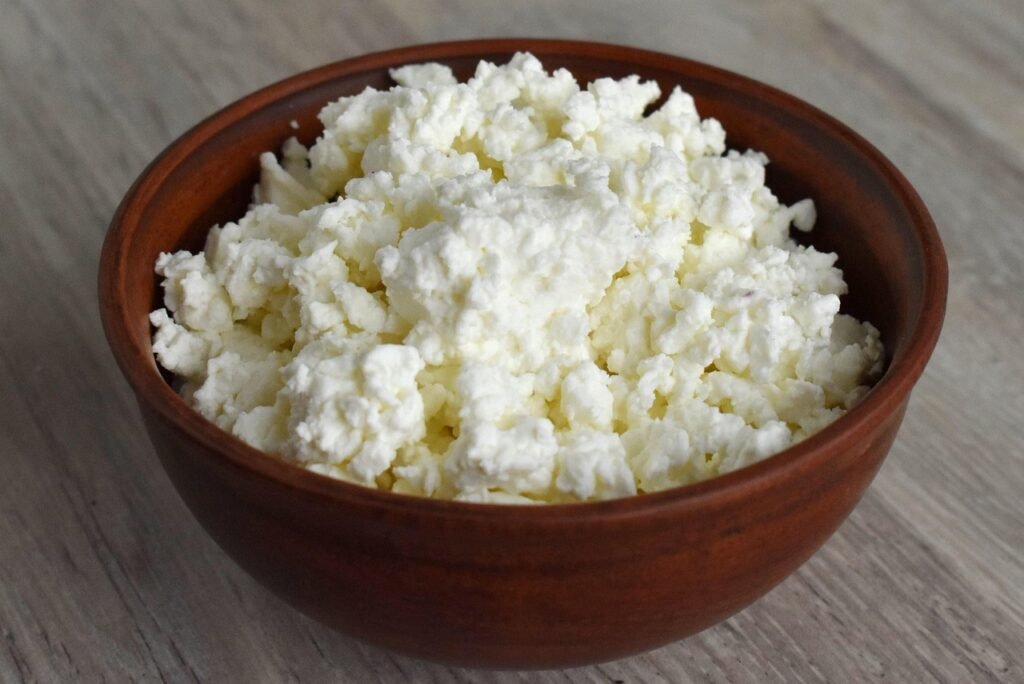
Cottage cheese, sometimes referred to as curd cheese, is a soft, fresh cheese made from curdled milk. Unlike harder cheeses, it is low in fat and moisture-rich, giving it a creamy texture and slightly tangy taste. Its mild flavor makes it highly adaptable, suitable for sweet or savory dishes.
It’s important to note that cottage cheese is not aged, which means it retains most of its natural nutrients. This makes it an excellent choice for people looking to increase their protein intake without consuming excess calories or saturated fats.
Nutritional Profile of Cottage Cheese
Understanding the nutrition is crucial for anyone trying to optimize their diet. Here’s a breakdown of the nutrients in one cup (about 210 grams) of low-fat cottage cheese:
| Nutrient | Amount |
|---|---|
| Calories | 206 kcal |
| Protein | 28 g |
| Fat | 10 g |
| Carbohydrates | 6 g |
| Calcium | 138 mg |
| Phosphorus | 263 mg |
| Sodium | 918 mg |
| Vitamin B12 | 1.3 µg |
| Selenium | 14 µg |
As you can see, it is high in protein, which is essential for muscle repair, weight management, and overall body functions. It also provides calcium and phosphorus, which are important for bone health.
Health Benefits of Cottage Cheese
Supports Muscle Growth and Recovery
Cottage cheese is rich in casein protein, a slow-digesting protein that releases amino acids gradually. This makes it ideal for muscle repair and growth, especially when consumed before bedtime. Athletes and fitness enthusiasts often include it in their diet to meet daily protein requirements without excess calories.
Helps with Weight Management
Due to its high protein content, it promotes satiety, helping you feel fuller for longer. This can prevent overeating and aid in weight loss or maintenance. Additionally, it is low in carbohydrates, making it compatible with various diet plans, including low-carb and high-protein diets.
If you’re looking to boost your protein intake even further, you can also explore Protein Shakes for Weight Loss, which are a convenient way to support your diet and fitness goals.
Supports Bone Health
Cottage cheese is an excellent source of calcium and phosphorus, essential minerals for maintaining strong bones. Including it regularly in your diet may help support bone strength and lower the risk of osteoporosis, particularly in older adults.
Cottage Cheese Promotes Heart Health
Low-fat cottage cheese contains healthy nutrients that can support heart health. While it does contain sodium, choosing low-sodium versions can provide protein and calcium without negatively affecting blood pressure. Its combination of protein, minerals, and low saturated fat makes it a heart-friendly food.
Aids Digestion
Some cottage cheese varieties contain live cultures or probiotics, which help maintain healthy gut flora. A balanced gut microbiome can improve digestion, boost immunity, and reduce inflammation.
Possible Considerations
While cottage cheese is nutritious, there are some considerations to keep in mind:
- Sodium Content: Some brands contain high sodium levels. If you are managing blood pressure or heart conditions, opt for low-sodium options.
- Lactose Sensitivity: Although it is lower in lactose than milk, some people with lactose intolerance may still experience discomfort. Lactose-free options are available.
- Medical Conditions: People with kidney disease or certain metabolic disorders should consult a healthcare professional before consuming high-protein foods like cottage cheese.
How to Include Cottage Cheese in Your Diet
Cottage cheese is extremely versatile and can be incorporated into meals in various ways:
As a Breakfast Option
Mix cottage cheese with fruits like berries, bananas, or pineapple for a protein-packed breakfast. You can also add a sprinkle of nuts or seeds for healthy fats.
In Salads
Cottage cheese can be added to green salads or grain bowls to boost protein content. Pair it with vegetables like cucumbers, tomatoes, and peppers for a nutritious, low-calorie meal.
As a Snack
A small bowl of cottage cheese with a pinch of salt or cinnamon can serve as a quick, satisfying snack between meals.
In Cooking and Baking
Cottage cheese can be used in smoothies, pancakes, pasta dishes, or stuffed vegetables. Its mild flavor allows it to blend seamlessly into both sweet and savory recipes.
Cottage Cheese vs Other Dairy Options
Compared to yogurt or hard cheeses, it stands out because it is high in protein and low in fat (especially low-fat varieties) while retaining essential minerals like calcium and phosphorus. It’s also less processed than some cheeses, making it a cleaner option for those seeking whole foods.
Final Thoughts
Cottage cheese is more than just a simple dairy product. Its high protein, mineral-rich profile, and versatility make it an excellent addition to a healthy diet. Whether you are looking to build muscle, manage weight, or support bone health, this cheese can play an important role.
For those looking for more structured meal ideas and practical nutrition tips, check out PureHealthMode. The site provides easy-to-follow guides that help you incorporate healthy foods like cottage cheese into your everyday routine.
By including cottage cheese in your meals and combining it with a balanced diet, you can enjoy tasty, nutritious, and satisfying meals that support your overall wellness goals.
Frequently Asked Questions
A standard serving of ½ to 1 cup per day is sufficient to get protein and calcium without consuming excess calories.
Yes, its high protein content promotes satiety and can help reduce overall calorie intake, supporting weight management.
Yes, in moderation. It is low in carbohydrates, but choosing low-sodium and unsweetened options is recommended.
Absolutely. It’s a healthy source of protein and calcium, supporting growth and bone development.