
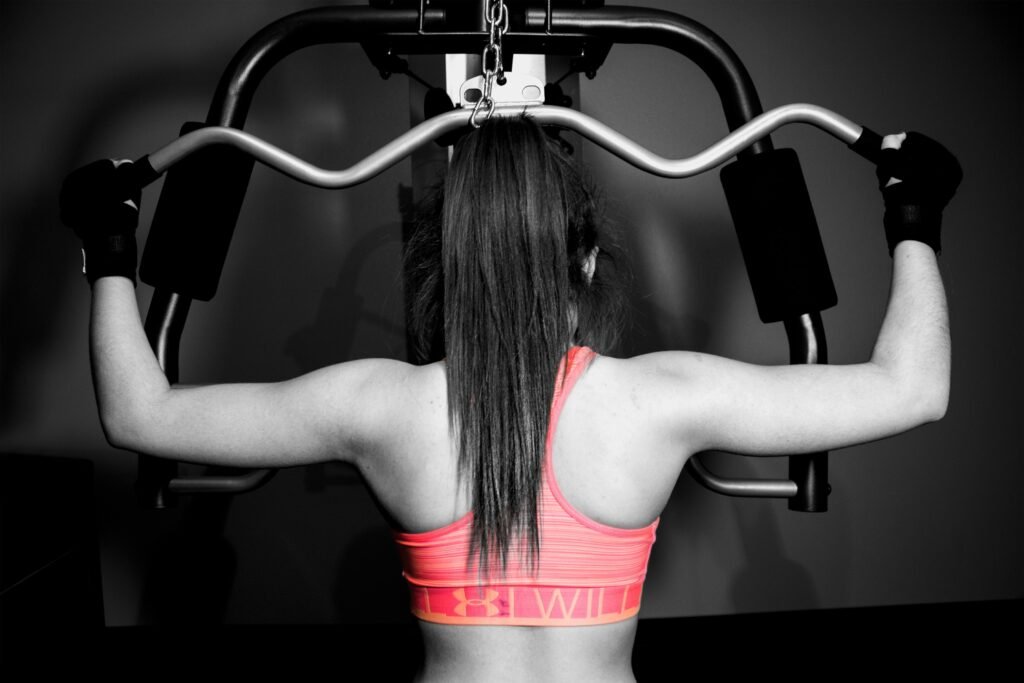
Laser hair removal is a popular cosmetic treatment for reducing unwanted hair on areas like the legs, underarms, face, and bikini line. The procedure is quick and generally safe, but many people who live an active lifestyle ask an important question: can you workout after laser hair removal?
Most dermatologists recommend waiting 24 to 48 hours before exercising. Although the procedure is non-surgical, the skin becomes temporarily sensitive after treatment. Sweating, friction from clothing, and increased body temperature during exercise may irritate the treated area.
Understanding why workouts should be postponed for a short period can help you avoid redness, breakouts, and skin irritation. This guide explains what happens to your skin after treatment, why exercise can cause problems, and when it is safe to return to your normal fitness routine.
What Happens to Your Skin After Laser Hair Removal
Laser hair removal works by sending concentrated light energy into the hair follicles. The pigment in the hair absorbs this energy, which damages the follicle and slows future hair growth.
Even though the procedure is safe, the heat from the laser temporarily affects the surrounding skin.
Temporary Redness and Sensitivity
After treatment, it is common to experience mild redness or swelling around the follicles. Many people compare this feeling to a mild sunburn.
Typical reactions may include:
- Slight redness
- Mild swelling
- Warmth on the skin
- Sensitivity to touch
These symptoms usually disappear within a few hours or a day.
Hair Follicles Remain Sensitive
Laser energy targets the hair follicles directly. Because of this, the pores stay slightly open for a short period after treatment.
During this time, sweat and bacteria can irritate the skin more easily. That is one reason exercise is usually postponed.
Why You Should Avoid Working Out Immediately After Laser Hair Removal
Many people feel completely fine after the procedure and assume they can return to the gym the same day. However, exercising too soon may cause irritation or slow skin recovery.
Increased Body Heat Can Irritate Treated Skin
During exercise, your body temperature rises and blood circulation increases. This can cause additional redness and inflammation in recently treated areas.
Skin that already feels warm from the laser treatment may become more irritated if exposed to heat from intense workouts.
Sweat May Cause Breakouts or Irritation
Sweating is a natural response to exercise, but it can irritate sensitive skin. Sweat mixes with bacteria on the skin surface and may clog pores.
This is especially important if the treatment area is the back, underarms, or bikini line.
Friction From Clothing or Movement
Workouts often involve repetitive movement and tight clothing. Activities like running, cycling, or weight training can create friction against the skin. Choosing breathable workout clothing can also make a difference, which is why many people ask whether cotton t-shirts are a good option for exercise and gym training.
How Long Should You Wait Before Exercising?
Most dermatologists recommend waiting at least 24 to 48 hours before returning to your workout routine.
However, recovery time can vary depending on factors such as:
- Skin sensitivity
- The treated body area
- Intensity of the laser treatment
Below is a simple guideline.
| Time After Treatment | Recommended Activity |
|---|---|
| First 24 hours | Avoid workouts and sweating |
| 24–48 hours | Light activity may be possible |
| After 48 hours | Most workouts are safe |
If your skin still feels irritated after two days, it is best to wait a little longer.
Signs Your Skin Is Ready for Exercise Again
Instead of relying only on the clock, pay attention to your skin. Your body often tells you when it has healed enough to resume physical activity.
You may be ready to exercise if:
- Redness has completely faded
- Skin feels normal again
- There is no itching or irritation
- The treated area is no longer sensitive
If discomfort returns during exercise, stop and allow more time for recovery.
Gentle Activities That Are Usually Safe After Treatment
Once the initial recovery period passes, some light activities may be possible.
Walking or Light Cardio
A slow walk or gentle movement usually does not cause excessive sweating. This makes it one of the safest activities to start with.
However, avoid direct sun exposure on treated skin.
Stretching or Mobility Exercises
Gentle stretching routines can keep your muscles active without putting stress on your skin.
Just make sure the movements do not cause friction on the treated area.
Low-Intensity Yoga
Calm yoga sessions focused on breathing and flexibility can be suitable.
Avoid hot yoga or heated rooms since high temperatures may irritate the skin.
Exercises You Should Avoid Right After Laser Hair Removal
Some workouts create more sweat, heat, and friction than others. These should be avoided during the early recovery stage.
Examples include:
- Running or sprinting
- High-intensity interval training (HIIT)
- Heavy weightlifting
- Cycling for long periods
- Hot yoga or sauna sessions
After the recommended waiting period, you can slowly return to these activities.
For example, if your regular gym routine includes strength exercises using bicep training machines and resistance equipment, it is best to pause these workouts for at least a day or two after treatment.
Tips for Returning to Your Workout Routine Safely
Once your skin feels normal again, you can return to exercising gradually.
Start with moderate intensity workouts before moving back to your full training schedule.
Helpful precautions include:
- Wear loose and breathable clothing
- Avoid extremely hot environments
- Cleanse your skin gently after workouts
- Stay hydrated
These simple steps help reduce irritation and protect the treated skin.
If your workout routine includes upper body training sessions that target the back and shoulders together, consider starting with lighter weights before returning to full intensity.
Planning Your Laser Hair Removal Around Your Fitness Routine
If you exercise regularly, scheduling your laser hair removal sessions strategically can make recovery easier.
Many people book treatments on rest days or before lighter workout days. This allows the skin time to recover before intense activity resumes.
For example, if your fitness plan includes workouts designed to reduce stubborn fat around the back area and improve muscle tone, scheduling treatments before a rest day may help prevent irritation.
Similarly, if your weekly routine includes strength sessions focused on chest and triceps muscle development, waiting a day or two after treatment helps protect sensitive skin.
Laser Treatments and Other Recovery Considerations
Exercise restrictions after cosmetic procedures are common. Many treatments require short recovery periods to avoid irritation.
For instance, people who undergo dental procedures often ask about returning to physical activity after wisdom teeth extraction surgery. Similar to laser treatments, the body needs time to recover before intense exercise.
Understanding these recovery periods helps prevent complications and ensures better results from the procedure.
When You Should Contact a Professional
Laser hair removal usually causes only mild, temporary redness. However, certain symptoms should be evaluated by a professional.
Contact your practitioner if you experience:
- Severe swelling
- Blisters or burns
- Persistent redness lasting several days
- Signs of infection such as pus or fever
These complications are rare but should be checked promptly.
Final Thoughts
So, can you workout after laser hair removal? The safest approach is to wait 24 to 48 hours before returning to exercise. This allows your skin to recover from the heat produced during the treatment.
Working out too soon can increase irritation because of sweat, heat, and friction. Fortunately, the waiting period is short. Once redness fades and your skin feels normal, you can gradually return to your usual workouts.
By giving your skin time to heal and following proper aftercare, you can enjoy both effective laser hair removal results and a consistent fitness routine.
Frequently Asked Questions
Most clinics advise avoiding the gym for at least 24 hours. Exercise may increase sweating and irritate treated skin.
Sweating does not damage the treatment results permanently. However, it may irritate sensitive skin shortly after the procedure.
Running is considered high-intensity exercise. It is best to wait one or two days before running.
Light walking may be safe after the first day, as long as it does not cause excessive sweating.
Loose and breathable clothing is recommended. Tight clothing can create friction on sensitive skin.