
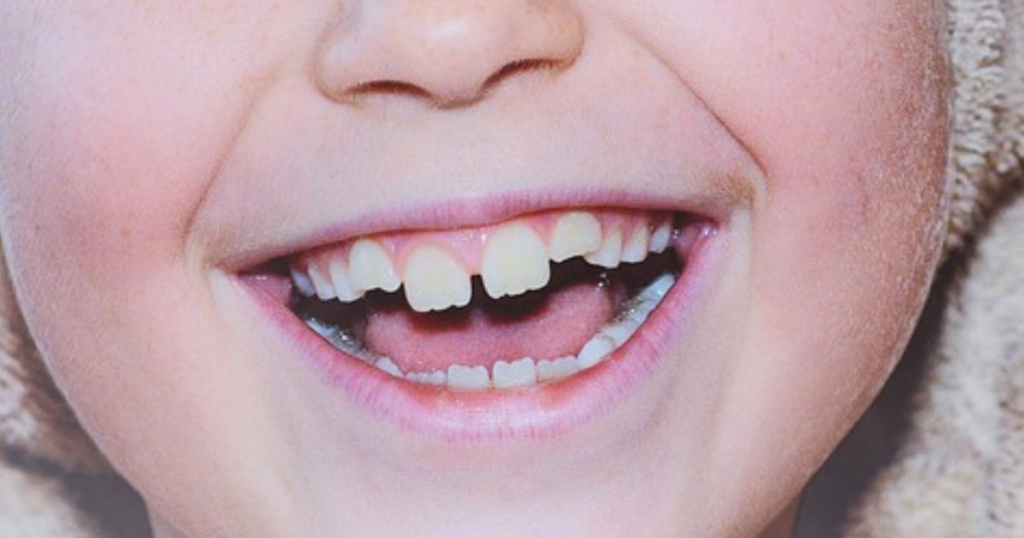
Many people notice that their upper front teeth appear more prominent or stick out farther than usual. This condition is commonly called buck teeth, and while it may seem like just a cosmetic concern, it often relates to deeper teeth alignment problems that can affect oral health, speech, and even confidence.
Buck teeth are usually linked to an overbite, where the upper teeth extend significantly over the lower teeth. For some individuals, the difference is mild and barely noticeable. For others, it can be more pronounced and may interfere with everyday activities like chewing or speaking clearly.
Understanding what causes buck teeth, how they develop, and the available overbite treatment options can help you decide whether orthodontic correction is necessary—and what kind of results you can expect.
What Are Buck Teeth and How Do They Develop Over Time
Buck teeth refer to a type of dental misalignment where the upper front teeth protrude forward more than normal. Dentists often classify this as a form of malocclusion, which simply means improper alignment between the upper and lower teeth.
This condition can develop gradually, often beginning in childhood. Sometimes it’s due to genetics, meaning the size or shape of the jaw and teeth are inherited. Other times, it results from habits or developmental factors that influence how teeth grow and position themselves.
When upper teeth project forward, they are more exposed and vulnerable. Over time, this can increase the risk of tooth injury, enamel wear, or uneven bite pressure.
The Difference Between Buck Teeth and a Normal Overbite
It’s important to understand that not all overbites are considered buck teeth. A small overlap of upper teeth over lower teeth is actually normal and helps with efficient chewing and speech.
However, when the upper teeth extend excessively forward or downward, the overbite becomes more pronounced and noticeable. This is when people commonly use the term buck teeth.
Dentists typically measure the severity by evaluating how much the upper teeth overlap or project. Mild cases may not require treatment, but moderate to severe protrusion often benefits from orthodontic correction.
Common Causes of Buck Teeth and Teeth Alignment Problems
Buck teeth can develop from multiple causes, and in many cases, more than one factor is involved.
Genetic Factors and Jaw Structure
One of the most common causes is heredity. If parents have prominent front teeth or a small lower jaw, children may inherit similar dental patterns.
Childhood Habits That Influence Tooth Position
Certain behaviors during early development can affect tooth alignment. These include:
- Thumb sucking beyond toddler years
- Prolonged pacifier use
- Tongue thrusting during swallowing
- Mouth breathing due to nasal blockage
These habits apply repeated pressure to developing teeth, gradually pushing them forward.
Early or Late Loss of Baby Teeth
If baby teeth fall out too soon or remain longer than expected, permanent teeth may erupt in incorrect positions, contributing to misalignment.
Jaw Growth Imbalance
Sometimes the upper jaw grows faster or larger than the lower jaw. This imbalance leads to protruding upper teeth even when individual teeth are properly shaped.
How Buck Teeth Can Affect Oral Health and Daily Life
Many people initially seek treatment for cosmetic reasons, but buck teeth can have functional consequences as well.
Difficulty Biting and Chewing Food Properly
When teeth don’t align correctly, bite force becomes uneven. This may cause difficulty tearing or chewing certain foods.
Increased Risk of Tooth Injury
Protruding teeth are more exposed and more likely to be chipped or fractured during falls or accidents.
Speech and Pronunciation Challenges
Some individuals experience difficulty pronouncing certain sounds, particularly “s” or “f,” due to altered tongue positioning.
Jaw Strain and Muscle Discomfort
Improper alignment can stress jaw muscles, sometimes leading to discomfort or fatigue while chewing.
Emotional and Social Impact
For many people, visible dental differences can affect self-confidence, especially during adolescence or early adulthood.
When Should You Consider Overbite Treatment
Not every case of buck teeth requires intervention. Dentists usually recommend treatment when the condition causes functional problems, discomfort, or significant cosmetic concern.
Signs that treatment may be beneficial include:
- Difficulty closing lips comfortably
- Frequent biting of inner cheeks
- Speech difficulties
- Jaw pain or clicking
- Noticeable protrusion affecting confidence
Early evaluation—especially in children—can make treatment simpler and more effective.
Orthodontic Correction Options for Buck Teeth
Modern orthodontics offers several effective solutions for correcting teeth alignment problems. The best choice depends on age, severity, and personal preference.
Traditional Braces for Comprehensive Realignment
Metal braces remain one of the most reliable methods for repositioning teeth. They apply steady pressure over time, gradually shifting teeth into proper alignment.
They are particularly effective for moderate to severe cases involving multiple alignment issues.
Clear Aligners for Discreet Treatment
Transparent aligners are removable trays that gently move teeth step by step. They are popular among adults who prefer a less noticeable treatment.
Clear aligners work best for mild to moderate alignment concerns and require consistent wear for optimal results.
Functional Appliances for Growing Children
In younger patients, special devices can guide jaw growth while bones are still developing. These appliances help correct structural imbalance before permanent misalignment becomes severe.
Surgical Correction for Severe Jaw Discrepancies
In rare cases where jaw structure is significantly mismatched, orthodontic treatment alone may not be enough. Surgical repositioning of the jaw may be recommended alongside braces.
How Long Does Orthodontic Treatment Usually Take
Treatment duration varies depending on severity and chosen method.
- Mild cases may take 6 to 12 months
- Moderate cases often require 12 to 24 months
- Complex corrections may take longer
Consistency plays a major role. Wearing aligners as directed or maintaining braces properly ensures faster and more effective results.
What to Expect During Orthodontic Correction
Many people worry about discomfort or lifestyle changes during treatment. While some adjustment is normal, most patients adapt quickly.
You may experience:
- Mild pressure after adjustments
- Temporary soreness when teeth begin shifting
- Dietary changes to avoid damaging appliances
Regular dental visits help monitor progress and ensure proper alignment.
Life After Buck Teeth Correction and Maintaining Results
Correcting alignment is only part of the process. Maintaining results requires long-term care.
Most patients wear retainers after orthodontic treatment. Retainers hold teeth in their new positions while the surrounding bone stabilizes.
Without retention, teeth can gradually shift back over time—a process called relapse.
Preventing Buck Teeth in Children Through Early Care
While genetics cannot be changed, certain preventive steps reduce the likelihood of severe alignment problems.
Parents can help by:
- Limiting prolonged thumb sucking
- Encouraging proper swallowing habits
- Scheduling early dental checkups
- Addressing breathing issues promptly
Early monitoring allows dentists to detect and manage developing misalignment before it worsens.
Emotional Benefits of Correcting Teeth Alignment
Beyond functional improvements, many patients report increased confidence after treatment.
A balanced smile often enhances facial harmony and improves comfort in social situations. For children and teens, early correction can prevent self-consciousness during important developmental years.
Orthodontic correction is not only about teeth—it often improves overall quality of life.
Are Buck Teeth a Serious Medical Problem or Just Cosmetic?
This depends on severity. Mild protrusion may be primarily aesthetic, while significant misalignment can lead to long-term oral health complications.
Dentists evaluate each case individually, considering:
- Bite efficiency
- Jaw health
- Tooth wear patterns
- Risk of injury
Even when treatment is optional, many people choose correction for comfort and confidence.
Final Thoughts on Managing Buck Teeth and Improving Alignment
Buck teeth are a common dental condition, and in many cases, they can be corrected effectively with modern orthodontic treatment. Whether caused by genetics, childhood habits, or jaw growth imbalance, addressing teeth alignment problems early often leads to simpler and more successful outcomes.
If you’re considering overbite treatment or exploring orthodontic correction, consulting a dental professional is the best first step. With proper evaluation and a personalized treatment plan, achieving a balanced bite and confident smile is entirely possible.
Orthodontic care is not just about appearance—it supports long-term oral health, functional comfort, and overall well-being.