
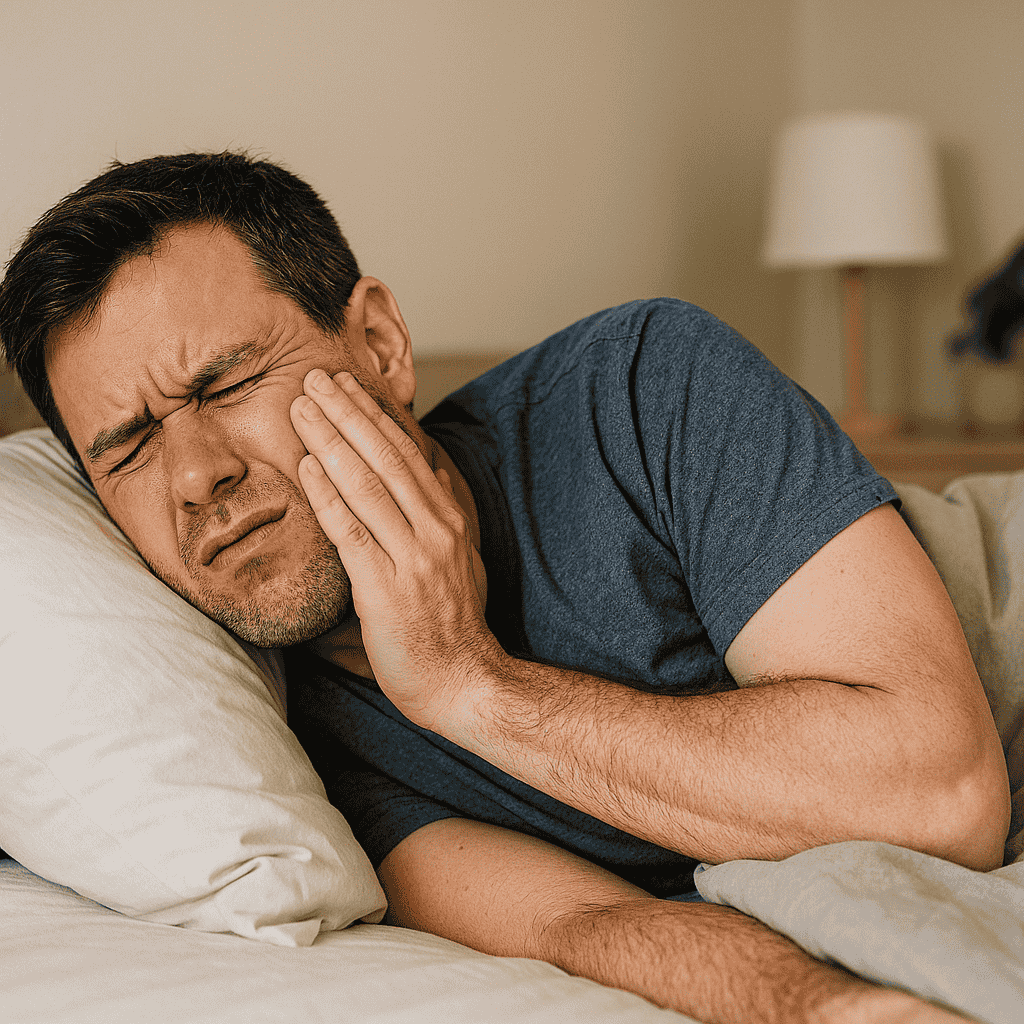
Sleeping after a dental procedure can feel confusing and even a little scary. One of the most common questions people ask is: Can I sleep on my side after tooth extraction?
Most dentists recommend sleeping on your back with your head elevated for at least the first 48 hours after tooth extraction.
This concern is completely normal because proper sleep position plays an important role in healing and clot formation.
After a tooth extraction, your mouth needs time to recover. The blood clot that forms in the socket is essential for healing, and if it gets disturbed, it can lead to pain or complications like dry socket. That is why sleep position matters more than most people realize.
In this article, you will learn whether side sleeping is safe after tooth extraction, how it affects healing, and the best sleep positions to avoid problems. You will also find helpful recovery tips and guidance to support safe healing.
Quick Answer
You should avoid sleeping on your side for the first 24–48 hours after tooth extraction. Sleeping on your back with your head elevated protects the blood clot and reduces swelling. Most people can safely return to side sleeping after 3–5 days, depending on healing.
Why Sleep Position Matters After Tooth Extraction for Proper Healing
Your sleep position directly affects blood flow and pressure around the healing area. If too much pressure is applied, the clot may loosen. This can slow down healing and increase discomfort.
Sleeping flat or on the wrong side may also increase swelling. Therefore, keeping your head slightly elevated is usually recommended during the first few nights.
Good sleep posture helps reduce pain, bleeding, and inflammation. It also ensures the wound stays protected while new tissue forms.
Can I Sleep on My Side After Tooth Extraction Without Risks?
The question can i sleep on my side after tooth extraction depends on timing and comfort. In the first 24–48 hours, side sleeping is generally not recommended on the extraction side.
Sleeping on the opposite side may still be okay if you are careful. However, pressure on the healing area should always be avoided.
After 2–3 days, many people can slowly return to side sleeping if pain and bleeding are minimal. But you should still avoid direct pressure on the affected area.
When Can I Sleep on My Side After Tooth Extraction? (Timeline)
After a tooth extraction, the healing process happens in stages. Sleeping position should be adjusted carefully during the first few days to protect the blood clot and avoid complications like dry socket.
First 24 hours
Avoid sleeping on your side completely
It is best to keep your head elevated and sleep on your back to protect the blood clot and reduce bleeding.
24–48 hours
Still avoid sleeping on the extraction side
You may continue sleeping on your back or slightly tilted, but avoid putting pressure on the affected area.
After 2–3 days
You may sleep on the opposite side carefully
If pain and swelling are reducing, you can start side sleeping, but avoid the extraction side.
After 3–5 days
Most people can return to side sleeping
By this stage, the healing is stronger, and side sleeping becomes safer for most patients.
1 week and beyond
Normal sleeping positions are usually safe
At this point, the extraction site is typically stable, and you can return to your normal sleep routine.
Best Sleeping Positions After Tooth Extraction for Faster Recovery
Choosing the right sleep position can make recovery much smoother. Here are the safest options:
Sleeping with your head elevated using two pillows helps reduce swelling. This position also keeps blood from pooling around the wound.
Back sleeping is usually the safest option during the early recovery stage. It keeps both sides of your mouth free from pressure.
If you must sleep sideways, always avoid the extraction side. This reduces irritation and helps protect the healing clot.
What Happens If You Sleep on the Wrong Side After Tooth Extraction
Sleeping on the extraction side too early can cause complications. The most common issue is dislodging the blood clot.
This can lead to dry socket, which causes severe pain and delayed healing. You may also notice increased bleeding or swelling.
In some cases, pressure from pillow contact can irritate the wound. This slows down tissue repair and increases discomfort the next day.
Pain, Swelling, and Healing Timeline After Tooth Extraction
Mild pain and swelling are normal for the first few days. The first 48 hours are usually the most sensitive period.
Swelling often peaks around day 2 or 3. After that, it gradually improves with proper care.
Most people start feeling significantly better within 5–7 days. However, full healing of the socket may take a few weeks.
During this time, healthy sleep habits and gentle care can speed up recovery.
Foods and Habits That Support Better Healing and Sleep
Your diet plays a major role in how quickly and comfortably you recover after a tooth extraction. Soft, easy-to-digest, and nutrient-rich foods are the best choice during the healing phase because they reduce pressure on the wound while still supporting recovery.
To help your body repair tissues effectively, you can explore high-protein soft food options for oral recovery. These foods provide the essential nutrients your body needs for faster healing and reduced weakness after surgery.
Avoid hard, spicy, or crunchy foods, as they can irritate the extraction site or disturb the healing clot. It is also important to stay hydrated, but avoid using straws since suction can increase the risk of complications.
If you are ever unsure, stick to soft foods that require minimal chewing, as they are the safest option during the early recovery days.
How to Reduce Night Pain After Tooth Extraction Naturally
Night pain is very common after a tooth extraction because blood circulation changes when you lie down, which can increase pressure in the affected area. To manage this, applying a cold compress before bedtime can help reduce swelling and numb discomfort.
Keeping your head slightly elevated with extra pillows also helps control blood flow, which reduces throbbing pain and makes it easier to fall asleep.
If you are struggling with nighttime discomfort, you can explore simple and effective sleep strategies in practical ways to sleep with tooth pain at night. These methods can help you relax and rest more comfortably even during the healing phase.
With proper care and consistency, pain gradually decreases each day, and sleep quality improves naturally as healing progresses.
Oral Hygiene and Healing Support After Extraction
Keeping your mouth clean helps prevent infection, but you should avoid vigorous rinsing during the first 24 hours after extraction.
After that, gentle saltwater rinses can support healing by keeping the area clean and reducing bacteria buildup.
If you notice ongoing gum bleeding or sensitivity, you can follow proven ways to control bleeding gums effectively. This guide explains simple techniques to strengthen gum health and reduce irritation during recovery.
Maintaining proper oral hygiene not only protects the healing socket but also speeds up tissue repair and lowers the risk of complications like infection or dry socket.
Common Mistakes to Avoid After Tooth Extraction
Many people unknowingly delay healing by making small mistakes. One common mistake is sleeping flat immediately after surgery.
Another mistake is eating hard foods too early, which can disturb the healing site.
Some people also brush too aggressively near the wound, which should be avoided.
Following simple care rules can make recovery much smoother and safer.
When Can You Return to Normal Sleeping Positions?
Most people can return to normal sleeping positions after 3–5 days. However, this depends on healing speed and pain level.
If there is still swelling or discomfort, it is better to continue back sleeping.
Always listen to your body. If side sleeping causes pain, avoid it for a few more days.
Final Thoughts: Can I Sleep on My Side After Tooth Extraction?
Sleeping properly after a tooth extraction is more important than most people realize. In the early healing stage, your sleep position can directly impact pain, swelling, and clot stability.
If you are wondering can i sleep on my side after tooth extraction, the safest answer is to avoid side sleeping on the extraction side for the first few days. Back sleeping with your head elevated is the best option for smooth healing.
As your pain reduces and healing progresses, you can slowly return to normal sleeping positions. However, always listen to your body and avoid any position that causes discomfort.
With proper care, good sleep habits, and a soft diet, most people recover smoothly within a few days to weeks without complications.
Frequently Asked Questions
It is not recommended to sleep on your side right after extraction. The first 24–48 hours are critical for clot formation and healing.
Sleeping on your back with your head elevated is the safest position. It reduces swelling and protects the healing site.
Most dentists recommend avoiding it for at least 2–3 days. Some people may need longer depending on healing speed.
You may experience increased pain, swelling, or clot disruption. In some cases, it can lead to dry socket.
Yes, improper sleeping positions can slow healing. Good positioning helps reduce pressure and supports faster recovery.
Pain usually improves within 3–5 days. Proper rest, medication, and sleep position help speed up recovery.