
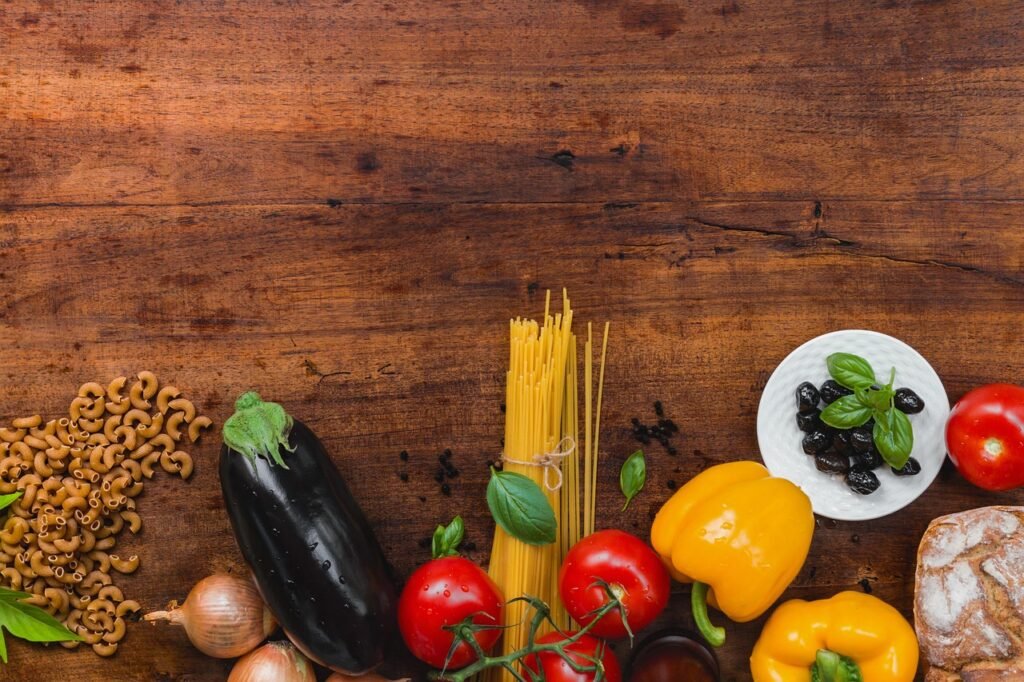
A low protein diet is designed to limit protein intake while still providing balanced nutrition. It can be essential for individuals managing certain medical conditions, such as kidney disease or metabolic disorders, and can help prevent excessive strain on the body. In this article, we’ll explore what a low protein diet entails, its benefits, foods to enjoy, recipes to try, and practical tips to maintain a healthy balance.
If you’re looking for healthy breakfast ideas while controlling protein, check out easy overnight oats recipes.
What Is a Low Protein Diet?
A low protein diet reduces daily protein intake to support medical conditions or improve kidney health. Unlike a protein-heavy diet that focuses on muscle building, this plan emphasizes moderation, carefully selecting foods low in protein but rich in other nutrients.
For those managing protein intake, combining low protein foods with healthy vegan meal prep tips can make meal planning simple and nutritious.
Who Needs a Low Protein Diet?
People who may benefit include:
- Individuals with chronic kidney disease (CKD)
- People with phenylketonuria (PKU)
- Those experiencing liver dysfunction
- Certain metabolic disorders
How Much Protein Is Considered Low?
A typical low protein diet provides around 0.6–0.8 grams of protein per kilogram of body weight. For example, a 70 kg adult may aim for about 42–56 grams of protein per day. Always consult healthcare professionals or registered dietitians before adjusting your intake.
How a Low Protein Diet Affects the Body
A carefully managed low protein diet can:
- Reduce kidney workload
- Limit waste buildup
- Improve digestion and metabolism
Understanding the Importance of Protein: Low Protein Doesn’t Mean No Protein
Even on a low protein diet, your body needs protein for energy, tissue repair, and overall health. The key is moderation — not elimination. Spreading small amounts of protein throughout the day ensures the body receives essential amino acids without overwhelming organs.
Tip: Protein intake should be carefully managed in consultation with healthcare professionals or registered dietitians, as requirements can vary based on individual health conditions and medical considerations.
For those recovering from surgery or needing gentle protein sources, consider soft protein foods for recovery to maintain strength safely.
Why a Low Protein Diet May Be Recommended
Low protein diets are typically recommended for medical reasons rather than weight loss. They help manage conditions such as:
Low Protein Diet for Kidney Disease
Reducing protein intake lowers waste products like urea and creatinine, which can build up when kidneys are weakened. This eases strain on the kidneys and helps them function more efficiently. A balanced low protein diet still provides the nutrients the body needs without overloading the kidneys.
Low Protein Diet for PKU (Phenylketonuria)
PKU patients cannot process the amino acid phenylalanine efficiently, which can accumulate to harmful levels in the body. Limiting protein intake helps prevent this buildup and protects the brain and nervous system from damage. A carefully managed low protein diet ensures they still receive essential nutrients safely.
Medical Benefits of Reducing Protein Intake
- Supports organ health
- Improves metabolic efficiency
- Reduces risk of nutrient overload
Risks of Consuming Too Much Protein
Consuming too much protein can put extra strain on the kidneys and increase the risk of dehydration. It may also cause imbalances in other essential nutrients, like calcium and potassium. Moderation is key to maintaining overall health while supporting the body’s functions.
Foods Allowed on a Low Protein Diet
Fruits That Are Naturally Low in Protein
- Apples, pears, peaches
- Berries like strawberries and blueberries
- Grapes and melons
For a quick, low protein breakfast, try healthy overnight oats tips topped with berries.
Vegetables Suitable for a Low Protein Diet
- Bell peppers, zucchini, cucumbers
- Carrots, lettuce, celery
- Cauliflower, broccoli (in moderation)
These can be prepped with vegan meal prep ideas for variety throughout the week.
Low Protein Grains and Carbohydrates
- White rice, pasta
- Potatoes, sweet potatoes
- Oats, quinoa (controlled portions)
Pasta lovers can explore practical protein tips in shrimp to understand protein content in seafood alternatives.
Healthy Fats That Add Flavor Without Protein
- Olive oil, avocado
- Coconut oil
- Nuts and seeds (small amounts)
Fats enhance taste and satiety without adding excessive protein. For smoothies or shakes, you can also try best protein shakes for fat loss but in controlled portions to maintain a low protein plan.
Foods to Limit or Avoid on a Low Protein Diet
High Protein Meats and Poultry
- Beef, chicken, turkey, pork
Dairy Products and Eggs
- Milk, cheese, yogurt, eggs
Beans, Lentils, and High Protein Plant Foods
- Lentils, chickpeas, soy products
Processed Foods With Hidden Protein
Always check nutrition labels to avoid hidden protein in snacks, sauces, and packaged foods. Ingredients like soy, whey, casein, or legumes can unexpectedly increase protein content. Being mindful of these hidden sources helps maintain a safe low protein intake and ensures your meals stay balanced and effective for your health needs.
12 Easy Low Protein Diet Recipes
Low Protein Vegetable Soup: Carrots, celery, and potatoes simmered in vegetable broth.
Garlic Olive Oil Pasta: Toss pasta in garlic-infused olive oil with fresh herbs.
Simple Potato and Vegetable Stir Fry: Pan-fried potatoes with bell peppers and zucchini.
Rice and Steamed Vegetable Bowl: Steamed rice topped with seasonal vegetables.
Low Protein Vegetable Fried Rice: Use minimal soy sauce and fresh vegetables.
Zucchini and Tomato Skillet: Sauté zucchini and tomatoes with olive oil and garlic.
Creamy Pumpkin Soup: Blend pumpkin, vegetable broth, and spices.
Vegetable Stuffed Bell Peppers: Bell peppers filled with rice, carrots, and spices.
Baked Sweet Potato With Herbs: Oven-baked sweet potatoes with rosemary or thyme.
Fresh Fruit Breakfast Bowl: Mix berries, melon, and a touch of honey.
Low Protein Vegetable Noodle Salad: Noodles tossed with cucumber, carrot, and vinaigrette.
Lemon Garlic Roasted Vegetables: Roasted seasonal vegetables with lemon juice and garlic.
Tips for Cooking Low Protein Meals
Focus on Vegetables and Fruits
Fresh fruits and vegetables are naturally low in protein but rich in vitamins, minerals, and fiber. They add color, texture, and flavor to your meals, making them more satisfying. Incorporating a wide variety ensures you get essential nutrients while keeping protein intake under control.
Use Herbs and Spices for Flavor
Herbs and spices like garlic, rosemary, thyme, paprika, and lemon can transform simple vegetables into delicious meals. They enhance taste without adding protein or calories, making low protein dishes more enjoyable. Experimenting with different combinations keeps meals interesting and flavorful.
Choose Low Protein Cooking Methods
Cooking methods like steaming, roasting, and stir-frying preserve nutrients and natural flavors without adding extra protein. Avoid heavy sauces or protein-rich additives that could increase protein content unintentionally. Simple cooking techniques help maintain both taste and dietary balance.
Balance Calories With Healthy Carbohydrates
Low protein meals still need enough energy to keep you active throughout the day. Healthy carbohydrates from grains, potatoes, rice, or low protein fruits provide sustained energy. Pairing these with vegetables and healthy fats ensures your meals are balanced and satisfying.
5-Day Sample Low Protein Meal Plan
| Day | Breakfast | Lunch | Dinner |
|---|---|---|---|
| Day 1 | Fresh fruit bowl | Vegetable stir fry with rice | Creamy pumpkin soup |
| Day 2 | Oat porridge with berries | Garlic olive oil pasta | Baked sweet potatoes with herbs |
| Day 3 | Fruit smoothie (low protein) | Vegetable noodle salad | Zucchini and tomato skillet |
| Day 4 | Melon and berries bowl | Rice and steamed vegetable bowl | Vegetable stuffed bell peppers |
| Day 5 | Overnight oats with fruit topping | Low protein fried rice | Lemon garlic roasted vegetables |
Common Mistakes When Following a Low Protein Diet
Eating Hidden Protein Sources
Many packaged or processed foods contain hidden protein that can add up quickly. Always read nutrition labels carefully to avoid unexpected intake. Being mindful of these sources helps maintain a safe and balanced low protein diet.
Not Balancing Calories Properly
Focusing only on low protein foods can leave you low on energy. Including healthy carbohydrates like rice or potatoes, and fats like olive oil or avocado, helps maintain sustained energy throughout the day. A balanced intake ensures your body gets enough fuel while keeping protein under control.
Ignoring Portion Sizes
Even foods that are low in protein can add up if eaten in large amounts. Paying attention to portion sizes helps keep protein intake within safe limits. This ensures your diet remains balanced without overloading your kidneys or metabolism.
Following the Diet Without Medical Guidance
Managing protein intake can be sensitive, especially for conditions like kidney disease or PKU. It’s important to discuss your diet with healthcare professionals or registered nutritionists. They can help ensure you get enough nutrients safely while keeping protein within recommended limits.
Final Thoughts on Low Protein Diet Recipes
A low protein diet can support specific health conditions if done thoughtfully. Focus on vegetables, fruits, healthy fats, and carefully portioned grains while ensuring some protein is present throughout the day. Using meal prep tips, simple recipes, and professional guidance, you can maintain a balanced, enjoyable diet.
Frequently Asked Questions
Fruits like apples, berries, and melons, and vegetables like bell peppers and zucchini.
Yes, in controlled portions and without high-protein sauces.
Yes, they provide energy and fiber with minimal protein.
Fresh fruit, roasted vegetables, or small portions of nuts (mindful of protein).
Choose more vegetables and fruits, moderate grains, and limit meat, dairy, and legumes.