
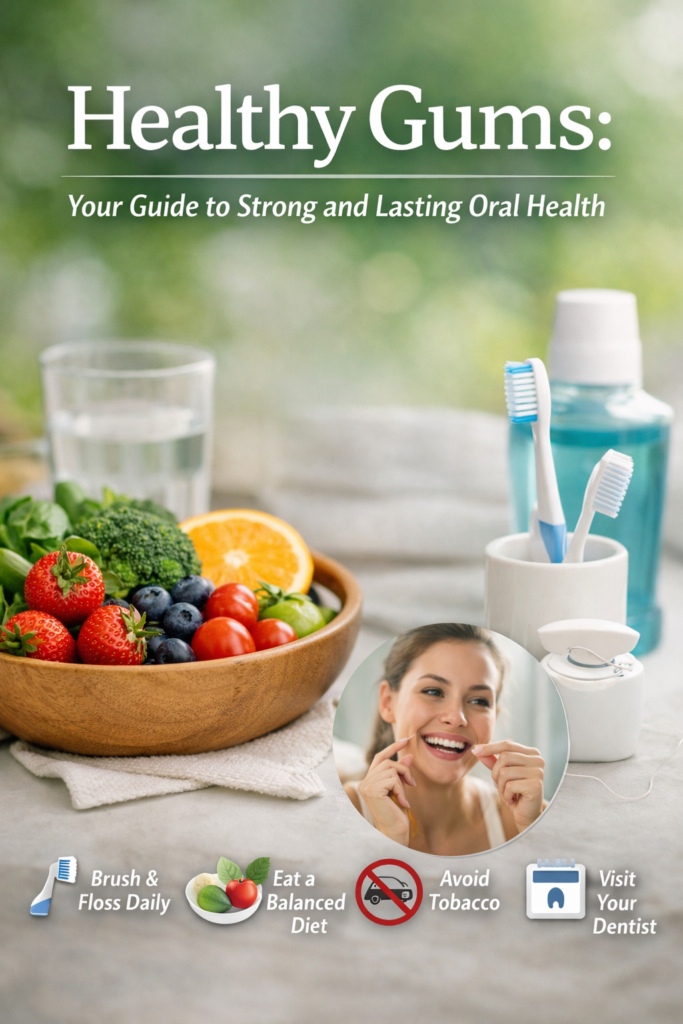
When we think about oral health, most of us focus on sparkling white teeth and fresh breath. But the real foundation of a healthy mouth lies in your gums. Healthy gums are more than just pink tissue around your teeth—they’re your teeth’s anchor, your first line of defense against infections, and a key indicator of overall wellness. Maintaining strong gum health can prevent a host of problems, from mild sensitivity to severe gum disease, which can affect not just your smile but your general health.
In this article, we’ll explore the essentials of healthy gums, practical tips to maintain them, common threats to gum health, and some everyday habits that make a difference.
Understanding Healthy Gums
Healthy gums are firm, pink, and fit snugly around your teeth. They don’t bleed when you brush or floss, and they provide a stable base for your teeth to stay strong and functional. Unfortunately, many people overlook gum health until problems arise. Issues like redness, swelling, or bleeding are often the first warning signs that your gums need attention.
One of the best ways to keep your gums healthy is to understand the factors that influence their health. These include your diet, oral hygiene routine, genetics, and lifestyle choices such as smoking or stress. By addressing these factors, you can protect your gum tissue from damage and support your overall oral health.
Common Threats to Gum Health
Several conditions can compromise gum health if left unchecked. The most common include:
- Gingivitis
Gingivitis is the first stage of gum disease, usually triggered by plaque collecting along the gum line. You might notice your gums becoming red, swollen, or bleeding gums when you brush or floss. The good news is that with the right care, gingivitis can be completely reversed.
If you’d like to dive deeper into this topic, check out our detailed guide: Swollen Gums — Causes, Symptoms, and Natural Ways to Reduce Gum Inflammation. - Periodontitis
If gingivitis is ignored, it can progress to periodontitis, a more serious condition that damages the soft tissue and bone supporting your teeth. This can lead to tooth loss and may even impact your overall health, as studies have linked periodontitis to cardiovascular disease and diabetes. - Receding Gums
Over time, gums may start to pull back from the teeth, exposing roots and increasing sensitivity. Receding gums can result from aggressive brushing, poor oral hygiene, or age-related changes. - Plaque and Tartar
Plaque is a thin, sticky coating of bacteria that develops on your teeth and around your gums. If not removed, it hardens into tartar, which can only be removed by a dental professional. Both plaque and tartar contribute to gum inflammation and disease.
By being aware of these threats, you can take proactive steps to protect your gum health before serious problems develop.
Practical Tips for Maintaining Healthy Gums
Keeping your gums healthy doesn’t require complicated routines—it’s about consistent, effective habits. Here are some strategies to support gum health:
1. Brush Correctly and Regularly
Brushing your teeth twice a day is essential, but it’s equally important to do it correctly. Use a soft-bristled toothbrush and gentle circular motions to clean your teeth and massage your gums without causing irritation. Brushing too hard can damage gum tissue and contribute to receding gums.
2. Floss Daily
Flossing is the secret weapon for gum health. It helps clear away plaque and trapped food from areas your toothbrush can’t easily reach. When done correctly, flossing stimulates your gums and helps prevent gum inflammation and bleeding. For those new to flossing, it may take some time to get comfortable, but it’s a vital habit for healthy gums.
3. Use Antimicrobial Mouthwash
An antimicrobial mouthwash can help reduce harmful bacteria in your mouth and protect your gum tissue. Look for alcohol-free options with natural ingredients like chlorhexidine or essential oils, which are gentle yet effective.
4. Maintain a Balanced Diet
Your diet has a direct impact on gum health. Nutrients such as vitamin C, calcium, and omega-3 fatty acids are crucial for strong gums and teeth. Add plenty of fruits, vegetables, nuts, and fish to your daily meals. Avoid excessive sugar, as it fuels bacteria that can harm both teeth and gums.
5. Stay Hydrated
Drinking water throughout the day keeps your mouth hydrated and helps wash away food particles and bacteria. Saliva is your mouth’s natural defense mechanism, and staying hydrated supports its production and function.
6. Avoid Tobacco Products
Smoking and the use of chewing tobacco significantly increase the risk of developing gum disease. Tobacco weakens your immune system, making it harder for your body to fight infections, and slows down the healing process in your gums. Quitting tobacco is one of the best investments you can make for your oral and overall health.
7. Regular Dental Checkups
Seeing your dentist at least twice a year is essential for maintaining healthy gums. Professional cleanings remove tartar and plaque buildup that you can’t address at home. Dentists can also detect early signs of gum disease and provide guidance tailored to your oral health needs.
Lifestyle Habits That Support Gum Health
Beyond brushing and flossing, certain lifestyle habits can reinforce your efforts to maintain healthy gums:
- Manage Stress: High stress levels can weaken your immune system and make your gums more susceptible to inflammation. Simple stress-reduction practices like meditation, exercise, or deep breathing can help.
- Sleep Well: Quality sleep supports overall health, including your gums. Aim for 7–9 hours per night to give your body time to repair and maintain tissue health.
- Chew Sugar-Free Gum: Chewing gum increases saliva flow, helping wash away acids and bacteria that threaten gum health.
When to Seek Professional Help
Even if you follow a good oral care routine, there are times when home care alone isn’t enough. Your gums often give warning signs when something isn’t right, and paying attention to those signs can save you from bigger problems later.
If your gums bleed regularly, remain swollen, feel tender, or start pulling away from your teeth, it’s important not to ignore these symptoms. Persistent bad breath that doesn’t improve with brushing or mouthwash can also be a sign of underlying gum issues. These changes may seem minor at first, but they can quickly develop into more serious conditions if left untreated.
Seeing a dentist early allows problems to be identified and managed before they worsen. Professional care can stop gum disease from progressing and help preserve the bone and tissue that support your teeth. Treatments such as deep cleaning, also known as scaling and root planing, remove hardened plaque and bacteria from below the gum line, giving your gums a chance to heal properly.
Regular dental visits also help catch issues you may not notice yourself. A dentist can assess your gum health, suggest improvements to your routine, and recommend treatments that suit your specific condition. Seeking professional help early is one of the most effective ways to protect your gums and avoid long-term damage.
Final Thoughts
Healthy gums are not something to take for granted. They play a vital role in protecting your teeth and maintaining overall oral health. While daily habits like brushing, flossing, and eating a balanced diet are essential, knowing when to seek professional care is just as important.
By paying attention to early warning signs and taking action at the right time, you can prevent serious gum problems and maintain a strong, healthy smile. Combined with regular dental checkups and a consistent oral care routine, these small but mindful steps can make a lasting difference in your gum health.