
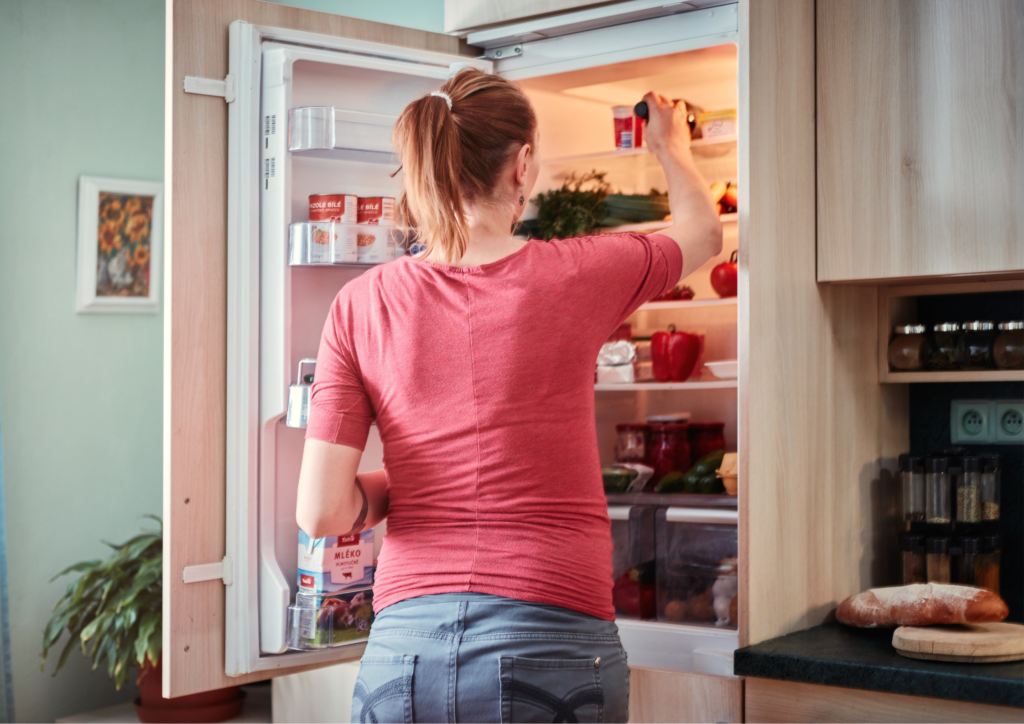
We’ve all experienced it at some point: the clock strikes midnight, and suddenly, an irresistible urge hits — a craving for something sweet, salty, or comforting. These midnight cravings are more than just a moment of weakness. They can affect your energy levels, weight, and even your long-term health if they become a habit. Interestingly, some of these cravings share similarities with addictive behaviors, making it important to understand their causes and learn strategies to manage them.
In this article, we’ll explore why these late-night cravings happen, how they connect to habits that can resemble addiction, and actionable tips to regain control — including practical advice for managing sugar cravings.
Why Do Midnight Cravings Happen?
Late-night cravings are usually triggered by a combination of physiological, psychological, and lifestyle factors.
- Hormonal Fluctuations
As the day winds down, your body’s hormone levels shift. Ghrelin, the “hunger hormone,” can spike if you haven’t eaten enough during the day, triggering intense hunger. At the same time, leptin, which signals fullness, may be lower at night. This hormonal imbalance makes your brain crave quick energy sources, often in the form of sugar or processed snacks. - Blood Sugar Drops
Skipping meals or eating low-protein lunches and dinners can cause your blood sugar to dip late at night. When your body senses low energy, it sends a strong signal to seek fast-burning fuels — usually sugary or carb-heavy foods. This is one reason why people often experience sugar cravings during midnight hours. - Stress and Emotional Triggers
Many of us turn to food for comfort, especially when stressed, anxious, or tired. This behavior mirrors patterns seen in addictive habits, where the brain seeks dopamine, a neurotransmitter linked to reward and pleasure. Over time, repeated late-night snacking can strengthen these patterns, making them harder to break. - Poor Sleep Patterns
Irregular sleep or staying up late can disrupt your body’s circadian rhythm. Research shows that sleep deprivation increases cravings for high-calorie foods. When combined with fatigue, this makes resisting midnight cravings even more challenging.
Understanding the Addiction Connection
While cravings themselves are normal, repeated compulsive indulgence can resemble addictive behaviors. Studies show that foods high in sugar, fat, or salt can activate the brain’s reward system in ways similar to certain addictive substances. This doesn’t mean everyone who snacks at midnight is “addicted,” but it highlights the importance of awareness and moderation.
Recognizing that these cravings are partly neurological can help you develop strategies that don’t rely on willpower alone. Just like addiction recovery, the goal is to replace unhealthy patterns with healthier alternatives that satisfy your brain and body.
In many cases, people turn to energy drinks for hydration late at night, believing they will improve hydration or reduce fatigue, but these beverages often contain high levels of sugar and stimulants that can worsen cravings, disrupt sleep, and create dependency-like patterns rather than solving the underlying issue.
Practical Strategies to Manage Midnight Cravings
Here are several actionable ways to control late-night urges while keeping your energy and health in check:
1. Plan Balanced Meals During the Day
One of the simplest ways to prevent midnight cravings is to eat adequately throughout the day. Include a balance of:
- Protein: eggs, chicken, tofu, Greek yogurt, and protein shakes (you can check our guide on protein shakes for weight loss) help keep you full, support healthy weight management, and can be included even during weight loss when planned properly.
- Complex carbs: whole grains, fruits, or vegetables
- Healthy fats: nuts, seeds, avocado
A well-balanced day keeps blood sugar steady and reduces the intensity of late-night urges.
2. Keep Healthy Snacks Accessible for Midnight Cravings
If you do get hungry at night, having healthy options on hand is crucial. Consider:
- Fruit with a small portion of nut butter
- Greek yogurt with berries
- A handful of nuts or seeds
- Air-popped popcorn
These alternatives satisfy cravings without causing blood sugar spikes or excessive calorie intake.
3. Address Sugar Cravings Mindfully
Sugar is one of the most common triggers for midnight cravings, and it has the potential to create addictive-like responses in the brain, which is why choosing balanced meals and low-carb side dishes can help reduce sudden spikes in hunger later at night. To manage sugar cravings:
- Drink water first — sometimes dehydration is mistaken for hunger.
- Opt for naturally sweet foods, like fruits, rather than candies.
- Practice mindful eating — savor each bite slowly to reduce the urge for more.
By taking small, intentional steps, you can retrain your brain to enjoy sweetness without overindulging.
4. Create a Relaxing Evening Routine
Often, cravings are linked to stress, boredom, or fatigue rather than genuine hunger. To break the cycle:
- Dim lights and reduce screen time before bed
- Read a book, meditate, or practice light stretching
- Maintain a consistent bedtime
A calm, structured evening reduces emotional triggers that can lead to compulsive snacking.
5. Get Quality Sleep to Avoid Midnight Cravings
Sleep deprivation increases hunger hormones and makes it harder to resist high-calorie foods. Aim for 7–9 hours of sleep per night and try to maintain a regular sleep schedule. Proper rest can reduce cravings naturally, supporting both mental and physical health.
6. Monitor Patterns and Triggers
Keep a craving journal to identify when and why your cravings occur. Note:
- Time of night
- What you ate earlier
- Your mood or stress level
- Type of food craved
Over time, patterns will emerge, and you can develop personalized strategies to address them before they lead to overindulgence.
When to Seek Help
If cravings become difficult to manage or start impacting your health, seeking guidance from a healthcare professional can be a wise step. Just like with certain addictive behaviors, early guidance can prevent complications. Professionals can provide strategies for:
- Managing compulsive eating or sugar cravings
- Understanding emotional triggers
- Building long-term healthy habits
Even small interventions can make a big difference in reducing cravings and improving overall well-being.
Summary: Take Control of Your Cravings
Midnight cravings are common, but they don’t have to control your life. By understanding the hormonal, emotional, and lifestyle factors behind them, you can make conscious choices to:
- Maintain balanced meals
- Keep healthy snacks available
- Address sugar cravings mindfully
- Reduce stress and improve sleep quality
- Monitor patterns and triggers
Think of these strategies as building blocks, similar to the steps people take when managing addictive behaviors. The more you practice healthy habits, the easier it becomes to resist urges, stay energized, and maintain a healthy lifestyle.
Final Thoughts on Managing Late-Night Cravings
Understanding and managing sugar cravings plays an important role in controlling midnight cravings. By staying mindful of eating habits, improving sleep quality, and addressing emotional triggers, it becomes easier to reduce late-night urges and build healthier routines over time.